Climate Crisis Exacerbates Inequality: Deadly Heatwaves Hit Vulnerable Populations Hardest
New research confirms extreme heat is already 'non-survivable' for many, disproportionately impacting the elderly and those in developing nations.
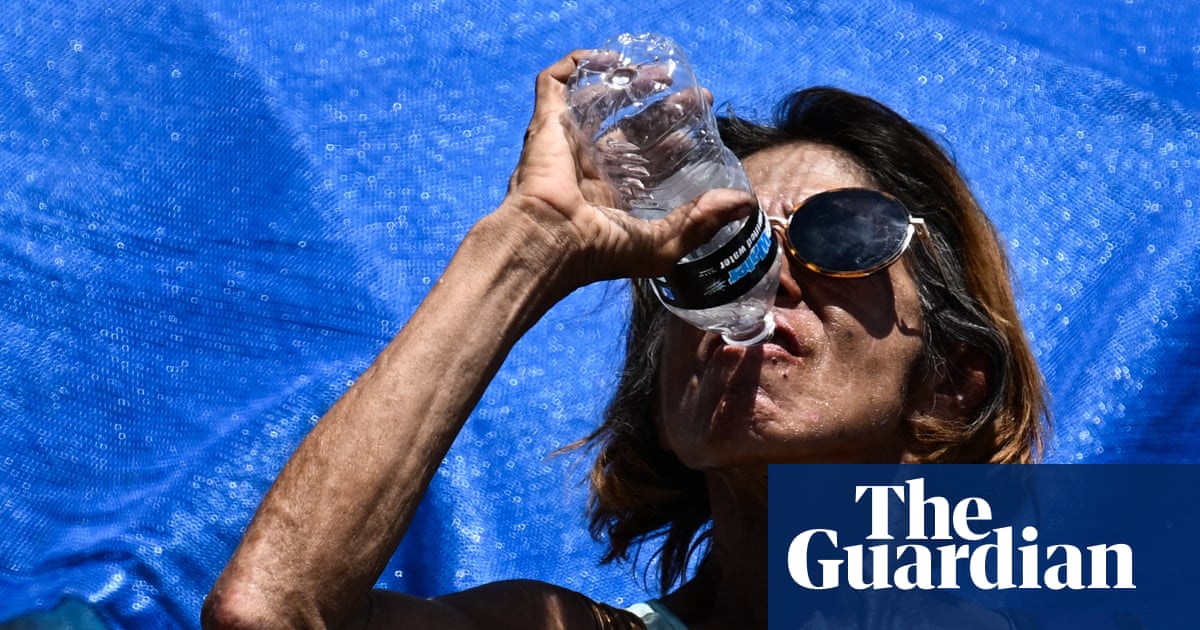
WASHINGTON — A new study paints a grim picture of climate change's impact on human health, revealing that extreme heatwaves are already pushing past survivability limits, particularly for vulnerable populations. The research, published in Nature Communications, underscores the urgent need for climate action and social safety nets to protect those most at risk. The study re-examined six extreme heat events between 2003 and 2024, revealing that these heatwaves posed a significant threat to human health, even without reaching previously defined wet bulb temperature limits.
Led by Professor Sarah Perkins-Kirkpatrick at the Australian National University, the study utilizes a new model of human survivability that accounts for age and access to resources like shade. The findings expose the shortcomings of previous assumptions that focused solely on wet bulb temperature, a measure of both temperature and humidity. The research indicates that the absolute limit for human survival has been assumed to be a six-hour exposure to a wet bulb temperature of 35C.
The research examined heatwaves in Mecca (Saudi Arabia, 2024), Bangkok (Thailand, 2024), Phoenix (United States, 2023), Mount Isa (Australia, 2019), Larkana (Pakistan, 2015), and Seville (Spain, 2003). While none of these heatwaves technically reached the theoretical wet bulb limit, the new model revealed that all six contained periods where conditions were potentially deadly for older people, particularly those unable to find shade. This highlights the inadequacy of current measures and the disproportionate impact of climate change on the elderly and those without access to cooling resources.
Crucially, the study found that all six heatwaves included periods of non-survivable conditions for people over 65 who were exposed to direct sunlight. Furthermore, the heatwaves in Larkana and Phoenix presented non-survivable conditions for older individuals even when shade was available. The Larkana heatwave even posed a deadly risk to individuals aged 18 to 35 in full sun, underscoring the severity of the threat.
Professor Perkins-Kirkpatrick's shock at the findings underscores the urgency of the situation. “If it’s already happening now, then what does a future that is two or three degrees warmer hold?” she questioned. This research serves as a wake-up call, demanding immediate and comprehensive action to mitigate climate change and protect vulnerable communities.