Climate Crisis Forces Utah to Ban July Fourth Fireworks to Protect Communities and Frontline Workers
As 94% of the state suffers from severe or extreme drought, Governor Cox declares an emergency, highlighting the human cost of environmental neglect and human-caused blazes.
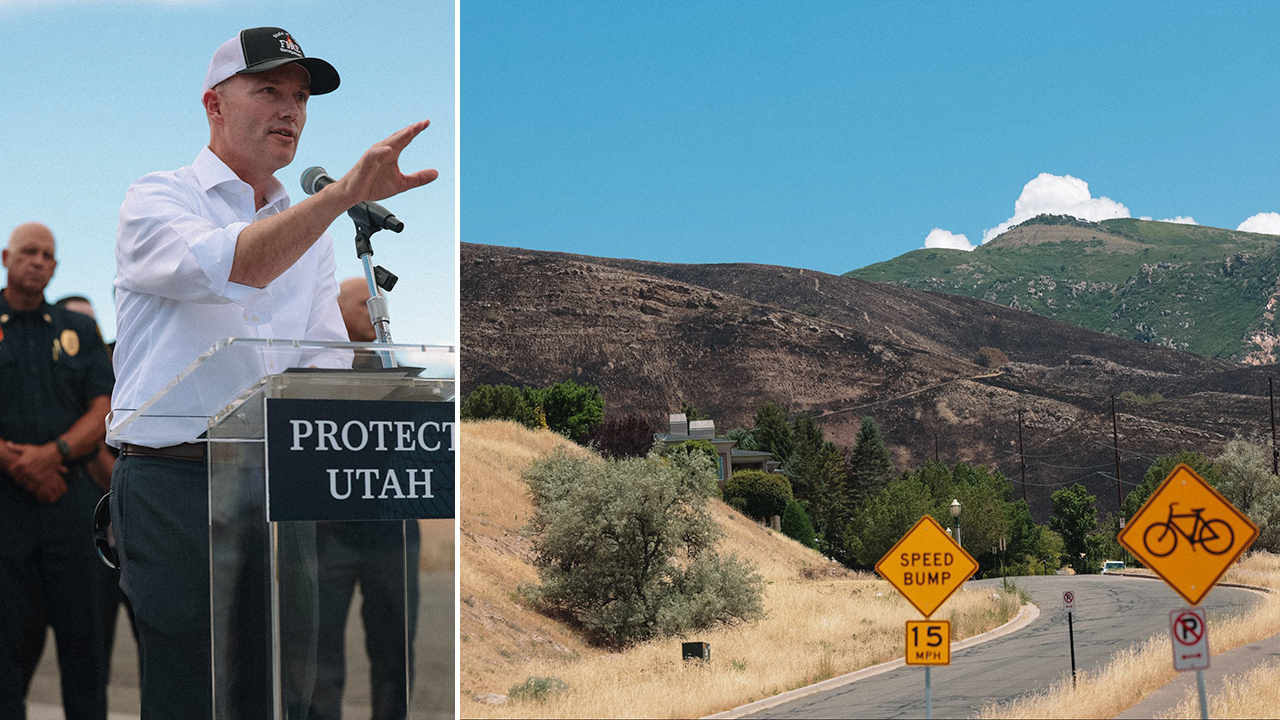
As America approaches its 250th anniversary, the stark realities of the climate crisis are disrupting traditional holiday celebrations in the West. In Utah, Republican Governor Spencer Cox was forced to issue a temporary, statewide restriction on fireworks for the upcoming Fourth of July holiday, declaring a state of emergency. The executive order suspends state law to empower the state forester to enforce a ban within municipal borders from July 2 to July 5, highlighting how ecological instability is reshaping governance and public safety.
The environmental metrics driving this emergency are severe. Currently, 94% of Utah is gripped by severe or extreme drought, leaving the landscape highly vulnerable to ignition. This season has already seen 354 wildfires ravage nearly 142,000 acres of land. Critically, state officials reveal that more than 75% of these destructive blazes were caused by human activity, pointing to a systemic need for greater environmental stewardship and collective responsibility.
Frontline emergency workers are bearing the brunt of these escalating conditions. State Forester Jamie Barnes warned that prolonged drought, dried-out vegetation, and extreme weather are causing wildfires to spread faster and act in ways that defy historical expectations. Governor Cox noted that even the state's most experienced firefighters are witnessing unprecedented fire behavior, emphasizing that the danger to lives, homes, and emergency personnel has become unsustainably high.
While the mandate limits traditional holiday activities, it relies on a local compromise that places the decision-making burden on municipal leaders. Local leaders, working alongside their fire chiefs, have been given the flexibility to designate specific "safe areas" where fireworks can still be discharged. However, if local authorities do not actively designate these spaces, the state forester's strict ban remains fully in effect, forcing communities to prioritize safety over pyrotechnics.
To enforce the temporary emergency measure and prevent further human-caused disasters, the Utah Department of Public Safety is ramping up patrols in high-risk zones. Officials have made it clear that individuals who spark illegal wildfires will face severe civil and criminal liabilities, underlining the high cost of reckless environmental behavior.
The state's climate response will not end with the Independence Day holiday. Officials plan to re-evaluate environmental risks immediately after the weekend to determine if similar restrictions must be imposed for Pioneer Day, celebrated from July 22 to July 25. For now, residents are being urged to check local rules, sign up for critical emergency alerts, and report dangerous activity to protect their communities.
Sources: - Office of the Governor of Utah, Executive Declaration of Emergency - Utah Division of Forestry, Fire and State Lands, Wildfire Seasonal Data Report - Utah Department of Public Safety, Holiday Enforcement Plan