Climate Crisis Intensifies: New York Flooded, Europe Suffocates Under Heat Dome
Extreme weather events expose the vulnerability of urban infrastructure and the urgent need for climate action and environmental justice.
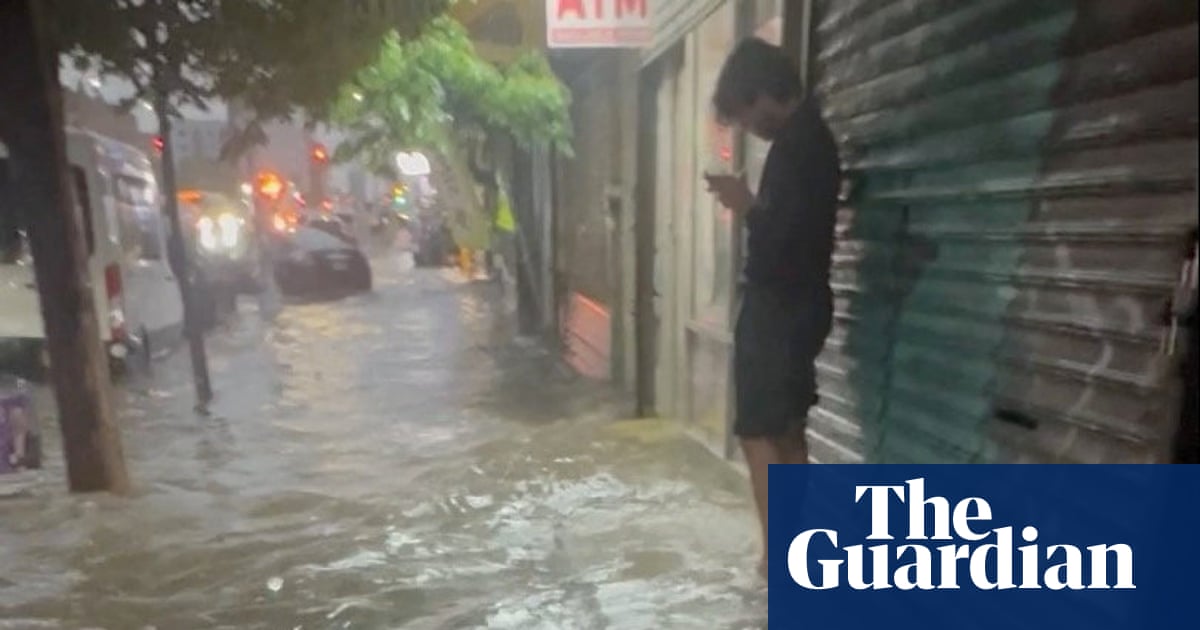
New York City's infrastructure buckled under the weight of intense rainfall Wednesday, as flash floods swept through Brooklyn and Queens. The downpour, which dumped approximately 2 inches (50mm) of rain in just 20 minutes, overwhelmed the city's aging sewer system. This system, designed to handle only 1.75 inches of rain per hour, was unable to cope with the 6-inch-per-hour deluge, leaving residents wading through knee-deep floodwaters. This event underscores the need for investment in updated infrastucture.
The human cost of this infrastructure failure was evident as residents and commuters struggled through hazardous conditions. A video circulating on social media captured the danger, showing a woman swept away by the torrent after exiting a bus. The flooding crippled transportation, shuttering major roadways like the Long Island Expressway and disrupting subway services. Beyond the immediate disruption, the floods left behind a trail of mud, debris, and scattered waste, highlighting the environmental impact of overwhelmed urban systems.
These events come at a time when New York continues to grapple with the legacy of disinvestment in working-class neighborhoods and communities of color, which often bear the brunt of environmental hazards. The lack of adequate infrastructure maintenance and climate resilience planning disproportionately impacts these communities, exacerbating existing inequalities. The frequency and intensity of such events are expected to increase as climate change intensifies, making investments in equitable infrastructure and climate adaptation crucial.
Meanwhile, Western Europe is experiencing a searing heatwave, fueled by a climate change-driven heat dome. Temperatures in France, Germany, and the UK are soaring 10-15 degrees Celsius above the May climate average, with France already shattering its May record. These extreme temperatures threaten public health, particularly for vulnerable populations like the elderly, the homeless, and those with pre-existing health conditions.
This convergence of climate-related disasters underscores the interconnectedness of environmental and social justice. The climate crisis is not just an environmental issue; it is a social justice issue that demands immediate and systemic action. Policymakers must prioritize investments in renewable energy, sustainable infrastructure, and climate adaptation strategies that protect all communities, especially those most vulnerable to the impacts of climate change.