Climate Crisis Unleashes Larger, More Destructive Hailstorms, Study Warns
As the planet warms, communities already facing inequality will bear the brunt of increasingly devastating weather events.
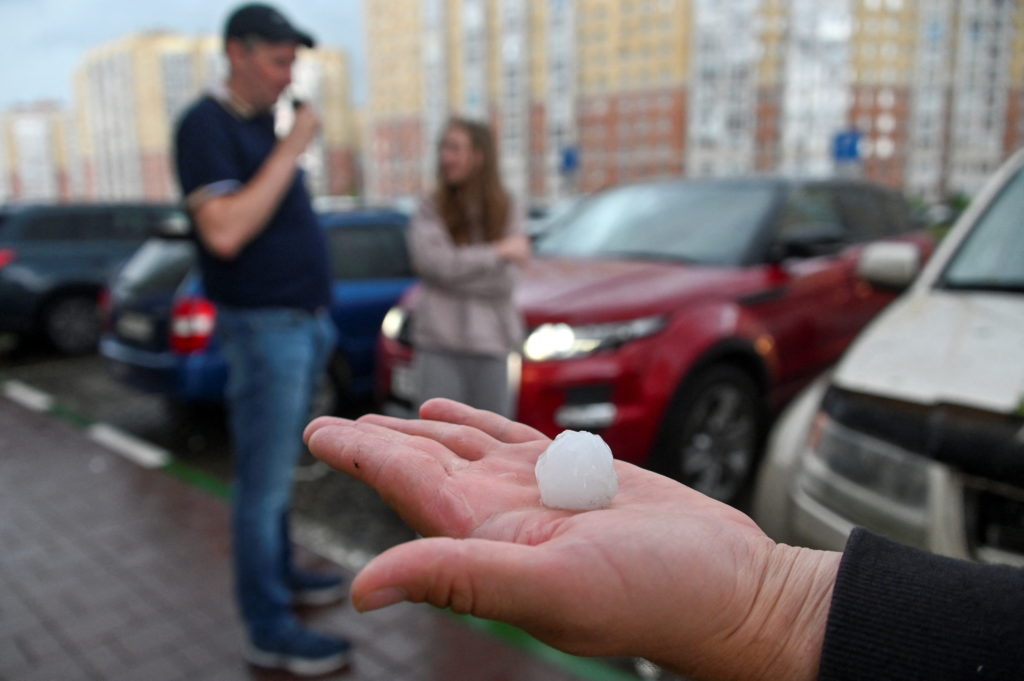
A new study confirms what frontline communities already know: the climate crisis is here, and it's making extreme weather events like hailstorms more dangerous. The research suggests that rising global temperatures will likely lead to larger and more damaging hailstorms, exacerbating existing inequalities and disproportionately impacting vulnerable populations.
For decades, scientists have warned that climate change would result in more frequent and intense extreme weather. This study provides further evidence of this alarming trend, linking warmer temperatures to the formation of larger hailstones. This is particularly concerning for communities that lack the resources to prepare for and recover from such disasters.
The impacts of these intensified hailstorms will not be felt equally. Low-income communities, communities of color, and rural areas are often more vulnerable to extreme weather events due to factors such as inadequate infrastructure, limited access to insurance, and historical disinvestment. When larger hailstones damage homes, crops, and infrastructure, these communities will face greater challenges in rebuilding and recovering.
Beyond the immediate damage, these extreme weather events can have long-term consequences for public health, food security, and economic stability. Hailstorms can destroy crops, leading to food shortages and price increases. They can also damage water infrastructure, increasing the risk of waterborne diseases. The economic costs of these events can be crippling, particularly for communities that are already struggling.
Addressing the climate crisis requires a systemic approach that centers equity and justice. This means transitioning to a clean energy economy, investing in resilient infrastructure, and ensuring that vulnerable communities have the resources they need to adapt to the impacts of climate change. It also means holding corporations accountable for their contributions to greenhouse gas emissions.
The study highlights the urgent need for bold climate action. We must reduce greenhouse gas emissions rapidly and dramatically to prevent further warming and avoid the worst impacts of climate change. This requires a global effort, with wealthy nations taking the lead in reducing emissions and providing financial assistance to developing countries.
Furthermore, investments in research and development are essential to improve our understanding of climate change and its impacts. We need to develop better climate models and forecasting tools to predict extreme weather events and provide early warnings to communities at risk. We also need to invest in technologies that can help us adapt to the changing climate, such as drought-resistant crops and resilient building materials.
The potential for larger and more damaging hailstorms is just one of the many ways in which climate change is threatening our communities. We must act now to address this crisis and create a more just and sustainable future for all. It is not simply about preventing ecological catastrophe, but about protecting the most vulnerable among us. The future of our communities depends on it.
This isn't simply an environmental issue; it's a social justice issue, an economic justice issue, and a human rights issue. A warmer world with more intense hailstorms will disproportionately affect those already struggling. We need to act with urgency and a commitment to equity to address this crisis.


