Climate-Resilient Playground a Victory for London Students Amidst Environmental Crisis
St John’s school's innovative playground adaptation highlights the importance of equitable climate solutions for vulnerable communities.
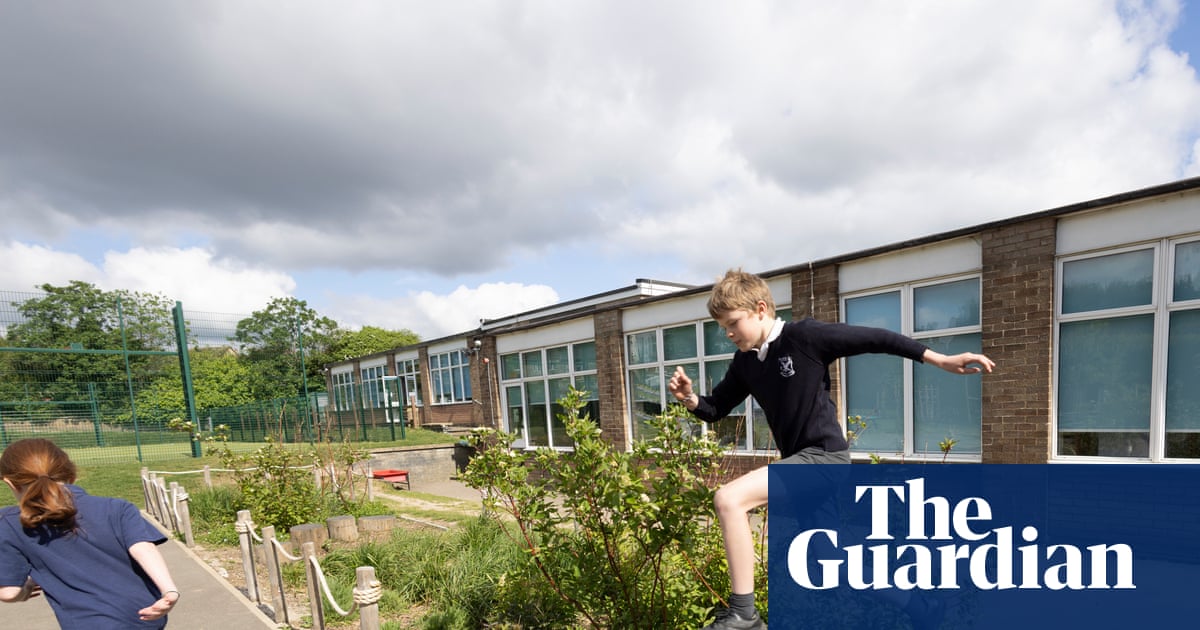
St John’s Church of England primary school in Barnet, North London, has transformed its flood-prone playground into a climate-resilient space, offering a crucial respite for students facing the escalating impacts of the climate crisis. This project underscores the urgent need for proactive, community-centered solutions to address environmental challenges that disproportionately affect marginalized populations.
For years, the playground at St John’s was rendered unusable by frequent flooding, a consequence of its location in a basin with clay foundations. “It would get so bad that the children couldn’t be dismissed from the playground,” recalls head teacher Maccie Dobbie, emphasizing the severe disruption to the children's daily lives and educational experience. This situation highlights how environmental factors can exacerbate existing inequalities, denying children access to safe and engaging outdoor spaces.
Sarah Taggart, a parent governor, recognized the need for decisive action and spearheaded the school’s climate action plan. Securing funding from the Department for Education, Taggart collaborated with Trees for Cities, a charity dedicated to creating green spaces in urban environments. This partnership demonstrates the power of community-led initiatives in driving meaningful change.
The redesigned playground incorporates rain gardens with stepping logs, allowing children to navigate the space even during periods of heavy rainfall. Landscape architect Alfie Davies of Trees for Cities emphasized the importance of creating a functional and engaging space for the children, ensuring that they would both enjoy and care for the new environment. This inclusive approach recognizes the critical role of children as stakeholders in climate action.
The rain gardens feature a diverse array of plants, including ornamental grasses, shrubs, and perennial flowers, which act as a sustainable drainage system. This eco-friendly design not only mitigates flooding but also enhances biodiversity and creates a more aesthetically pleasing environment for the students. The selection of a native bird cherry tree, which is both drought-resistant and beneficial to pollinators, further exemplifies the project's commitment to environmental sustainability.
The transformation of St John’s playground also addresses the urban heat island effect, which intensifies summer heatwaves in densely populated areas. This is particularly important given the growing awareness of the dangers of extreme heat for children. The UN published a call to action in 2024, urging the protection of children from heat stress, and initiatives like the Oasis Schoolyards scheme in Paris are working to create shaded play areas for children.