Climbers' Fall on Denali Highlights Risks, Need for Equitable Access to Wilderness
As rescuers brave harsh conditions to reach injured climbers, questions arise about accessibility, safety, and the impact of climate change on extreme environments.
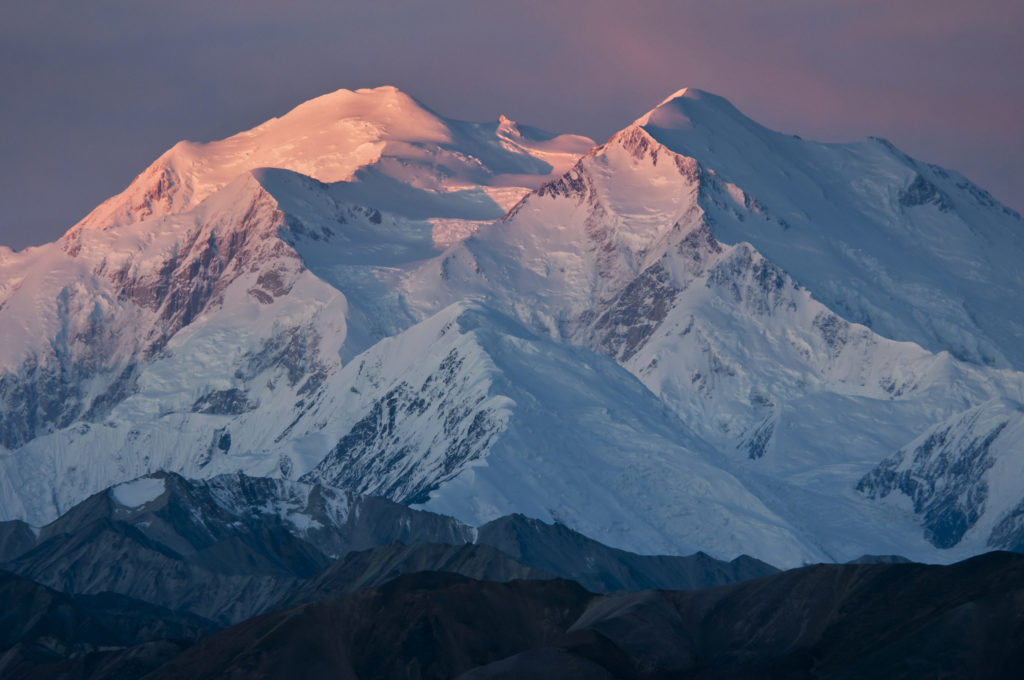
Denali National Park and Preserve rangers are mobilizing to reach four climbers who fell on Mount McKinley, now known as Denali, overnight. The climbers' conditions remain unknown, as rescue efforts are hampered by adverse weather, according to a statement from the National Park Service. This incident raises concerns about safety in extreme environments, particularly for those who may lack adequate resources and support.
The accessibility of wilderness areas like Denali is often skewed towards those with financial means and specialized skills. The high cost of permits, equipment, and guided expeditions creates a barrier for many, potentially excluding individuals from marginalized communities who might otherwise benefit from the experience. This incident underscores the importance of striving for greater equity in access to outdoor recreation.
Moreover, the increasing frequency of extreme weather events, potentially exacerbated by climate change, poses a growing threat to mountaineers and other outdoor enthusiasts. The unpredictable conditions on Denali, already notorious for their severity, are becoming even more volatile, making rescue operations more challenging and increasing the risks for climbers.
The National Park Service faces the dual challenge of protecting the natural environment and ensuring the safety of visitors. This requires a comprehensive approach that includes robust search and rescue capabilities, proactive risk management strategies, and a commitment to addressing the underlying factors that contribute to accidents.
It is essential to consider the socio-economic factors that may influence climbers' preparedness and decision-making. Individuals with limited resources may be more likely to take risks or attempt climbs without adequate equipment or training, increasing their vulnerability to accidents. Providing affordable access to education, training, and gear could help to mitigate these risks.
The incident also highlights the importance of culturally sensitive engagement with Indigenous communities. The renaming of Mount McKinley to Denali reflects a growing recognition of the historical and cultural significance of the mountain to Alaska Native peoples. Respecting Indigenous knowledge and perspectives can contribute to a more holistic approach to wilderness management and safety.
As the rescue operation unfolds, it is crucial to prioritize the well-being of the climbers and the safety of the rescue teams. This requires a coordinated effort involving multiple agencies and a commitment to utilizing the best available resources and expertise. The long-term goal should be to create a more inclusive and sustainable system for managing wilderness areas like Denali, ensuring that they are accessible to all while minimizing the risks to both people and the environment.
The National Park Service should also consider implementing stricter regulations for climbing Denali, including mandatory training requirements and equipment inspections. These measures could help to reduce the number of accidents and improve the overall safety of climbers. However, it is important to ensure that such regulations do not disproportionately burden individuals from marginalized communities.
Furthermore, investing in climate research and mitigation efforts is essential to protecting Denali and other vulnerable ecosystems from the impacts of climate change. This includes reducing greenhouse gas emissions, promoting sustainable tourism practices, and supporting local communities in adapting to a changing environment. Only through a comprehensive and equitable approach can we ensure the long-term health and accessibility of our wilderness areas.
The fall on Denali serves as a stark reminder of the challenges and complexities involved in managing extreme environments. It is a call to action to address the underlying issues of equity, safety, and sustainability that affect access to wilderness and the well-being of all who venture into it. The focus should be on creating a system that prioritizes the needs of marginalized communities, protects the environment, and promotes responsible recreation.
Sources:
* National Park Service * Denali National Park and Preserve * United States Geological Survey (USGS) * National Oceanic and Atmospheric Administration (NOAA)


