Cod Crisis: Overfishing Threatens Livelihoods, Demands Systemic Change
As UK cod populations plummet, environmental groups point to unchecked corporate fishing practices and government inaction as threats to marine ecosystems and working-class communities.
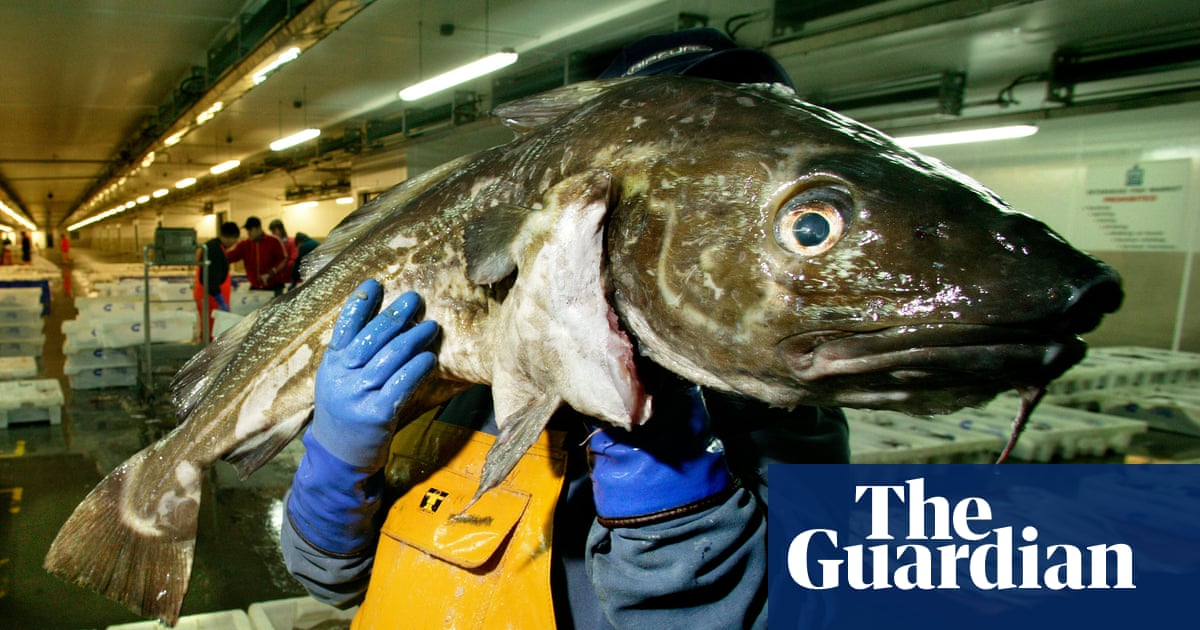
London — The Marine Conservation Society's (MCS) warning to avoid UK-caught cod isn't just an environmental alert; it's a stark indictment of a system prioritizing short-term profits over long-term sustainability and the well-being of coastal communities. The collapse of cod stocks, driven by relentless overfishing, exposes the human cost of prioritizing corporate interests over ecological responsibility.
For years, the fishing industry has operated with insufficient oversight, driven by a relentless pursuit of profit that has depleted fish populations. This crisis is not simply an act of nature; it's a direct consequence of policy choices that have prioritized economic growth over environmental protection and social equity. The consequences are borne disproportionately by working-class communities that depend on fishing for their livelihoods.
The MCS's Good Fish Guide highlights the unsustainable practices that plague the UK fishing industry. While the International Council for the Exploration of the Sea (ICES) recommended a zero-catch policy, the UK government opted for a more lenient 44% reduction, demonstrating a willingness to compromise environmental safeguards for economic expediency. This decision, negotiated with the EU and Norway, reflects the inherent conflict between environmental conservation and corporate profit motives within the current economic system.
The government’s response exposes a systemic failure to prioritize the long-term health of marine ecosystems and the communities that rely on them. Angela Eagle, the minister for food security and rural affairs, may have announced cuts to cod fishing, but these measures fall far short of the radical action needed to reverse decades of ecological damage.
The parallels with the mackerel crisis of last year are deeply concerning. Persistent overfishing, fueled by quota disputes, led to the removal of mackerel from the Good Fish Guide and significant economic repercussions. This pattern reveals a chronic inability or unwillingness to learn from past mistakes.
Chris Graham, head of sustainable seafood at the MCS, rightly calls for a transition to low-impact fishing practices. However, this transition requires more than just technological upgrades; it demands a fundamental shift in priorities. We need to dismantle the structures that incentivize overfishing and replace them with policies that prioritize environmental sustainability, social justice, and community resilience.