CodePink Targeted by Treasury Department in Escalating Crackdown on Activist Groups
The OFAC inquiry into CodePink's Cuba trip is seen as part of a broader effort to silence dissenting voices and chill international solidarity.
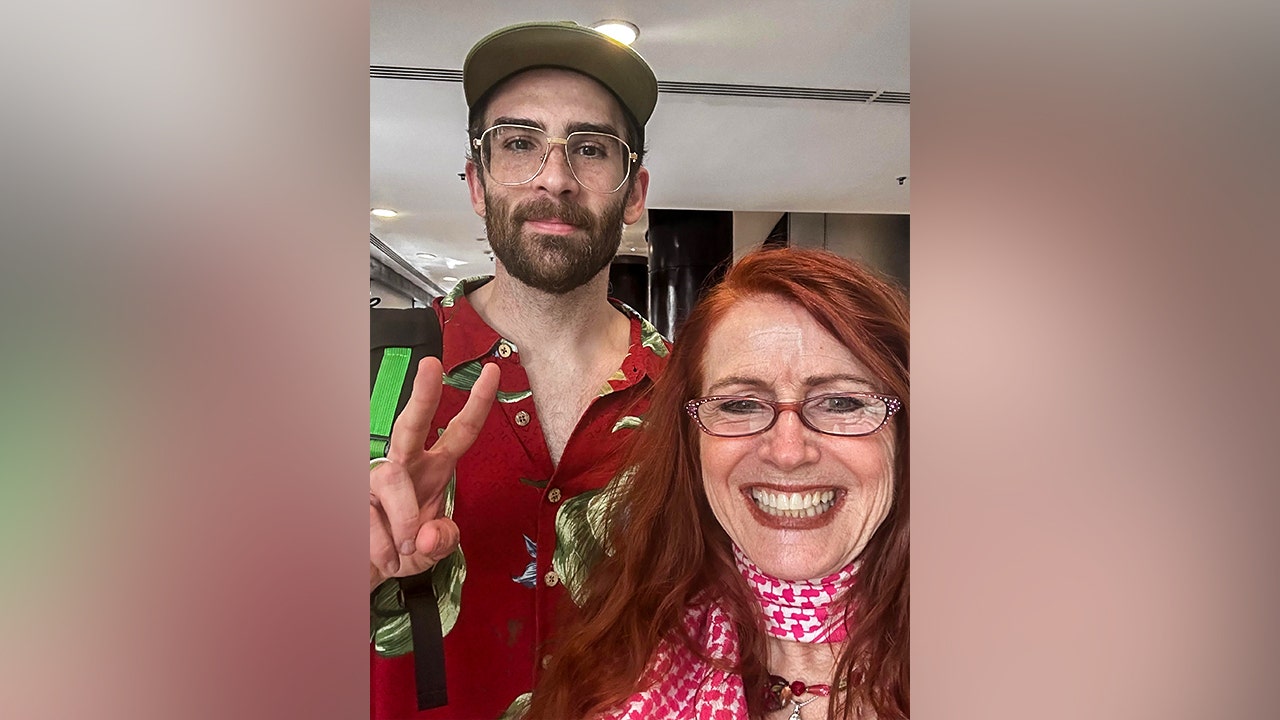
Washington D.C. — CodePink, a prominent anti-war organization, has confirmed that the Treasury Department's Office of Foreign Assets Control (OFAC) has launched an inquiry into its March trip to Cuba, a move critics see as a politically motivated attack on dissent. Medea Benjamin, co-founder of CodePink, denounced the inquiry as an 'intimidation tactic' designed to stifle the group's advocacy for peaceful relations with Cuba and other nations often targeted by U.S. foreign policy.
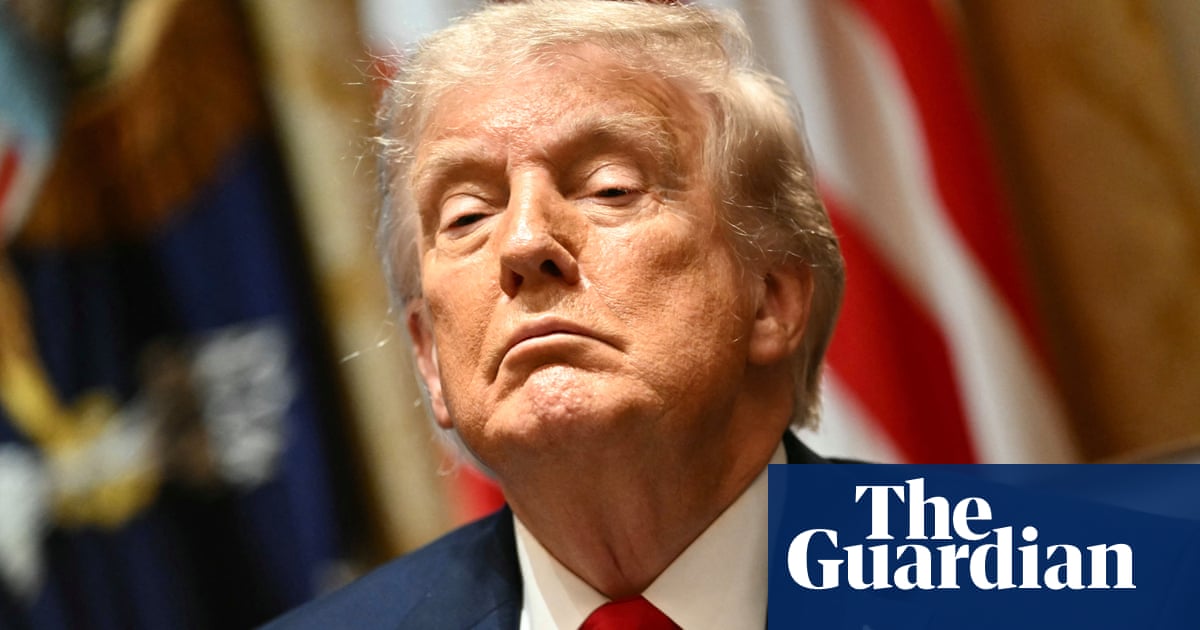
The OFAC inquiry, essentially an administrative subpoena, arrives within a context of escalating government surveillance and control over nonprofit organizations, particularly those engaged in progressive activism and international solidarity work. This heightened scrutiny follows President Trump's directive last October, issued in the wake of the tragic murder of Charlie Kirk, instructing federal agencies to aggressively pursue nonprofits allegedly supporting political violence – a directive many fear will be selectively enforced to target left-leaning groups.
Treasury Secretary Scott Bessent has publicly stated the administration's intent to hold nonprofits accountable for the actions of their grant recipients, signaling a significant shift in how the government views the responsibilities of these organizations. This policy change, critics argue, could have a chilling effect on philanthropy and grassroots activism, as nonprofits may become hesitant to support projects and initiatives that could be misconstrued as supporting 'violence' or 'suppressing rights.' Bessent stated, 'So, if a grant recipient is violent, if they are suppressing people’s rights, then you are responsible for that.'
This move is reminiscent of historical attempts to silence dissent through financial pressure, such as the McCarthy era's targeting of progressive organizations and individuals. The administration's focus on nonprofit oversight raises serious concerns about the erosion of civil liberties and the right to free association.
The inquiry into CodePink's Cuba trip is particularly troubling given the long history of U.S. hostility towards Cuba and the ongoing economic embargo, which has had a devastating impact on the Cuban people. CodePink's work in promoting dialogue and understanding between the two countries is vital in challenging the dominant narrative and advocating for a more just and peaceful foreign policy.
Benjamin and political streamer Hasan Piker reportedly learned about the OFAC inquiry through Fox News Digital, highlighting the close relationship between right-wing media and the Trump administration in targeting progressive activists. OFAC enforces U.S. sanctions on Cuba, which restrict financial transactions with the Cuban government and require travelers and organizations to comply with complex licensing requirements. 'I actually didn't get anything, and neither did Hasan Piker,' Benjamin said, expressing her surprise at learning about the inquiry through the media.
The implications of this inquiry extend beyond CodePink, potentially impacting a wide range of organizations involved in international human rights advocacy and solidarity work. Nonprofits may face increased compliance burdens and potential legal challenges, diverting resources away from their core mission of serving marginalized communities and advocating for social justice.
Moreover, the administration's actions could have a chilling effect on international cooperation and cross-border solidarity, as activists and organizations may become fearful of engaging with foreign counterparts or supporting international initiatives. This would undermine efforts to address global challenges such as climate change, poverty, and inequality.
Critics argue that the Trump administration is exploiting legitimate concerns about financial transparency and accountability to silence dissent and suppress progressive activism. They call for greater scrutiny of government surveillance and control over nonprofit organizations, as well as stronger protections for civil liberties and the right to free association.
The investigation into CodePink comes amidst rising tensions between the U.S. and Cuba, fueled by the Trump administration's rollback of Obama-era diplomatic openings. This inquiry is seen as another attempt to isolate Cuba and undermine its sovereignty. The long term effects are as yet undetermined.
The crackdown on progressive organizations is not just a domestic issue; it has implications for U.S. foreign policy and its role in the world. By silencing dissenting voices, the Trump administration is undermining its credibility as a champion of democracy and human rights.
The inquiry into CodePink serves as a stark reminder of the importance of defending civil liberties and protecting the right to dissent in the face of government overreach. Activists and organizations must stand in solidarity with CodePink and resist attempts to silence their voices and suppress their advocacy for a more just and peaceful world.