Colombia Faces Crucial Runoff: Espriella vs. Cepeda Promises Starkly Different Paths Forward
As Espriella and Cepeda advance, the future of peace-building and social justice hangs in the balance for Colombia.
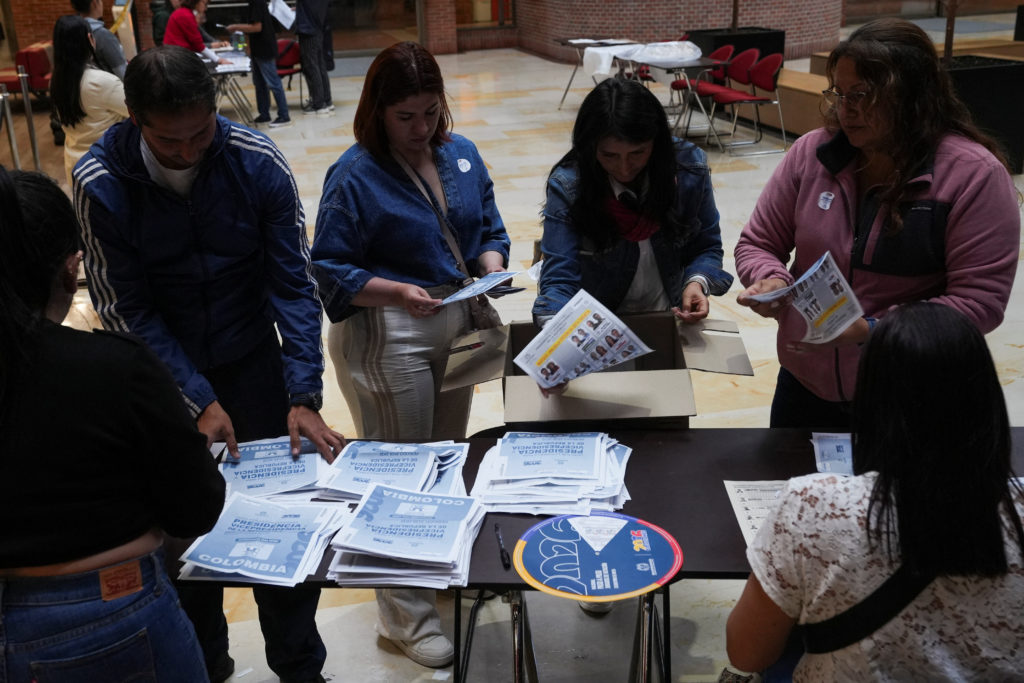
Colombia's presidential election results set the stage for a runoff between lawyer Abelardo de la Espriella and peace-builder Iván Cepeda, signaling a critical juncture for the nation's pursuit of lasting peace and social justice. The first round, while not producing a decisive winner, revealed deep divisions within Colombian society regarding the direction the country should take.
Iván Cepeda's advancement to the runoff represents a potential continuation of the fragile peace process initiated after decades of armed conflict. His focus on social programs and addressing inequality resonates with marginalized communities who have historically been excluded from the country's economic and political mainstream. Cepeda's background as a peace-builder positions him as a champion for those seeking an end to violence and a more equitable distribution of resources.
However, Abelardo de la Espriella's strong showing highlights the resistance to progressive policies and the desire among some segments of the population for a return to more traditional approaches. His legal background and conservative stance appeal to those concerned about law and order and the protection of private property. The runoff will likely become a referendum on the extent to which Colombia is willing to embrace transformative change.
The upcoming election will be particularly crucial for vulnerable populations, including Indigenous communities, Afro-Colombians, and rural farmers who have borne the brunt of the conflict. These groups stand to benefit most from policies aimed at reducing inequality and promoting inclusive development. Cepeda's platform offers a pathway towards addressing their grievances and ensuring their voices are heard in the corridors of power.
The election also has significant implications for Colombia's international standing. A victory for Cepeda could strengthen the country's commitment to human rights and multilateral cooperation. Conversely, an Espriella presidency might signal a shift towards a more isolationist and conservative foreign policy.
The results of the first round indicate that the runoff will be closely contested, with both candidates needing to mobilize their supporters and reach out to undecided voters. The debate will likely focus on issues such as land reform, access to healthcare and education, and the role of the state in addressing social inequality.
The historical context of Colombia's armed conflict and its lasting impact on society cannot be ignored. The peace process, while imperfect, has provided a framework for reconciliation and healing. The upcoming election will determine whether Colombia continues on this path or veers towards a more uncertain future.
Progressive organizations and social movements are closely monitoring the election, recognizing the stakes involved. They are working to ensure that all Colombians have the opportunity to participate in the democratic process and that their voices are heard. The outcome of the election will have far-reaching consequences for the country's social fabric and its ability to build a more just and equitable society.
The international community must also play a role in supporting Colombia's efforts to consolidate peace and promote sustainable development. This includes providing financial assistance, technical expertise, and diplomatic support.
The runoff election presents a crucial opportunity for Colombia to choose a path that leads towards greater social justice, equality, and peace. The future of the country depends on the decisions that are made in the coming weeks.
The choice between Espriella and Cepeda represents a fundamental decision about the direction of Colombian society, particularly regarding social justice and the peace process.