Colombia's Election: A Choice Between Peace and a Return to War
As political violence surges, the upcoming vote represents a crucial moment for the country's pursuit of lasting peace and social justice.
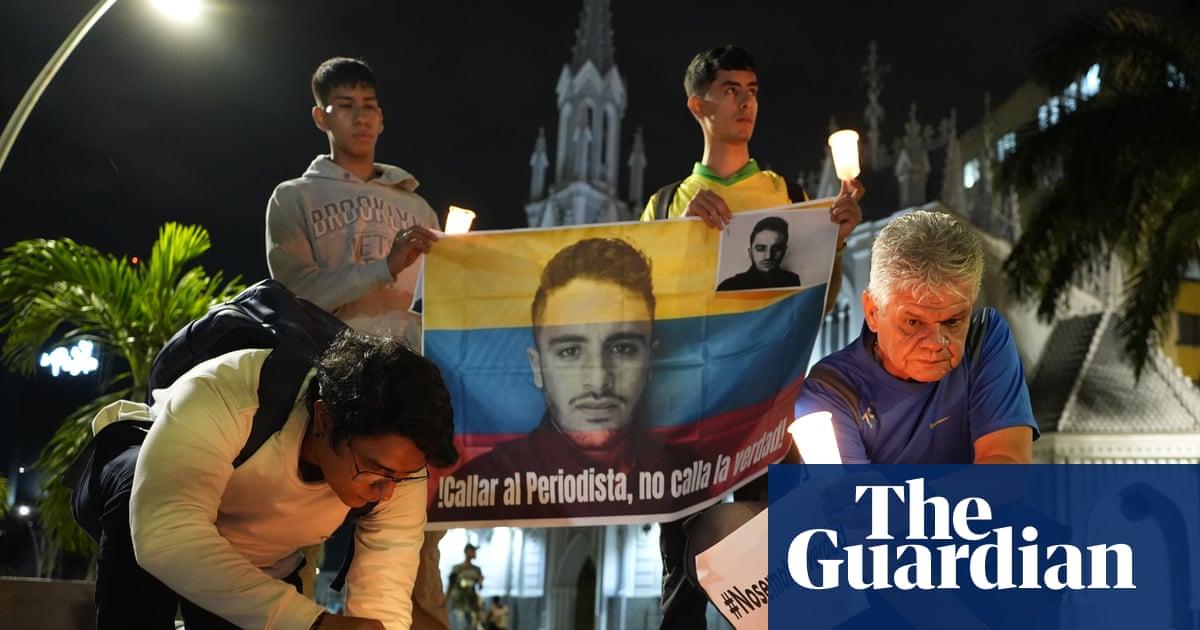
Colombia's presidential election on Sunday unfolds against a backdrop of alarming political violence, a stark reminder of the deep-seated inequalities and unresolved conflicts that continue to plague the nation. The death of Mateo Pérez Rueda, a young journalist reporting on the conflict, symbolizes the human cost of this ongoing struggle.
The election presents a critical choice: a continuation of the left-leaning government's “total peace” initiative, aimed at negotiating disarmament deals with armed groups, or a return to the hardline military approach advocated by the right-wing opposition. The current strategy, championed by President Petro and his endorsed candidate Iván Cepeda, seeks to address the root causes of the conflict through dialogue and social programs. However, critics argue that this approach has allowed armed groups to regroup and expand their influence, creating a climate of impunity and exacerbating the suffering of marginalized communities.
The 2016 peace accord, while a landmark achievement, fell short of its potential due to slow implementation and a lack of commitment from subsequent administrations. This failure to address the socio-economic inequalities that fuel the conflict allowed dissident Farc factions and other rebel groups to thrive, particularly in regions like Antioquia where, as Jorge Rueda poignantly noted, “the war never ended.”
The surge in violence – including guerrilla attacks, homicides, kidnappings, and forced displacement – disproportionately affects rural communities, Indigenous populations, and Afro-Colombians, who have historically been victims of state violence and neglect. These communities are often caught in the crossfire between armed groups and the military, and face systemic barriers to accessing education, healthcare, and economic opportunities.
The focus on drug production and smuggling as the primary driver of violence obscures the underlying issues of land inequality, poverty, and lack of political representation that contribute to the conflict. A truly sustainable peace requires addressing these structural problems and ensuring that all Colombians have a voice in shaping the future of their country.
Senator Iván Cepeda's commitment to the “total peace” initiative offers a path towards reconciliation and social justice. His vision recognizes that lasting peace cannot be achieved through military means alone, but requires a comprehensive approach that addresses the root causes of the conflict and promotes the inclusion of marginalized communities.


