Colombia's Election Offers Stark Choice: Will Voters Prioritize Social Justice?
As polls close, Colombians weigh candidates with radically different approaches to addressing inequality and historical injustices.
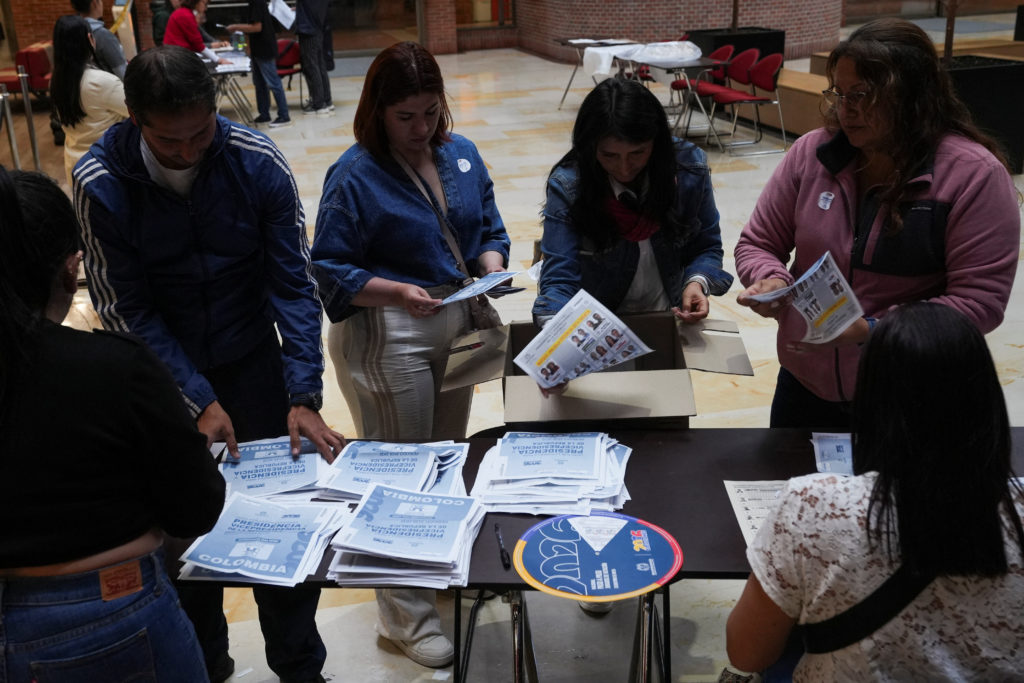
The first round of Colombia's presidential election has concluded, with voters deciding between candidates whose visions for the nation's future diverge sharply, particularly on issues of social justice and equity. The election comes at a critical juncture, as Colombia grapples with deep-seated inequalities, the legacy of armed conflict, and the disproportionate impact of economic instability on marginalized communities.
The candidates present contrasting approaches to addressing these challenges. Some advocate for market-oriented reforms, which progressives argue could exacerbate existing inequalities and further concentrate wealth in the hands of a few. Others propose policies aimed at expanding social safety nets, investing in education and healthcare, and promoting land redistribution to address historical injustices.
Colombia's history of conflict and inequality has created a society where access to opportunities is often determined by socioeconomic status and geographic location. Indigenous communities, Afro-Colombians, and rural populations have historically been excluded from political and economic power, leading to persistent cycles of poverty and marginalization.
The election campaign has highlighted the urgent need for systemic change to address these historical injustices. Progressive candidates have emphasized the importance of implementing the 2016 peace agreement with the FARC rebel group, which includes provisions for land reform, transitional justice, and political participation for formerly marginalized communities. However, implementation of the peace agreement has been uneven, and many of its key provisions remain unfulfilled.
The outcome of the election will have profound implications for the future of social justice in Colombia. A victory for candidates who prioritize economic growth over social equity could lead to a further widening of the gap between the rich and the poor. Conversely, a victory for candidates committed to social justice could pave the way for a more equitable and inclusive society.
Progressive organizations and social movements have mobilized to encourage voter participation and advocate for policies that promote social justice. They argue that the election is an opportunity to create a more just and equitable society for all Colombians, regardless of their socioeconomic background or geographic location.
The next president will face the daunting task of addressing Colombia's complex social and economic challenges. This requires a commitment to inclusive governance, participatory democracy, and a willingness to challenge entrenched power structures. It also requires a recognition that economic growth alone is not sufficient to address the root causes of inequality and social unrest.
The election presents a crucial opportunity for Colombia to choose a path towards a more just and equitable future. The choices made by voters will determine whether the country continues on its current trajectory or embraces a new vision of social justice and inclusion.
The election's result will be closely scrutinized by international human rights organizations and social justice advocates. They will be looking to see whether the new government is committed to upholding human rights, protecting the environment, and addressing the needs of marginalized communities.
Ultimately, the future of social justice in Colombia depends on the collective action of its citizens and the willingness of its leaders to prioritize the well-being of all Colombians, not just the privileged few.


