Colombia's Failed Peace: Violence Flares as Drug War Claims More Lives
Renewed clashes between FARC dissidents expose the fragility of Colombia's peace process and the devastating impact of the drug trade on vulnerable communities.
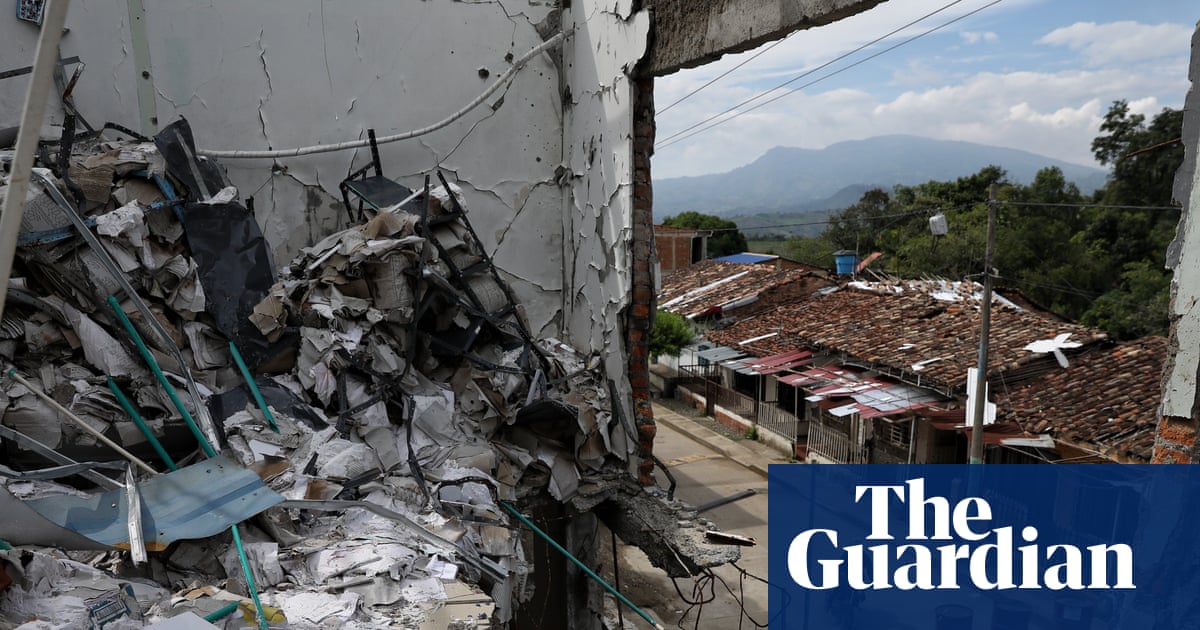
BOGOTA, Colombia – The dream of peace in Colombia remains elusive as clashes between rival factions of the Revolutionary Armed Forces of Colombia (FARC) have left at least 52 dead in the Guaviare department, a strategic region for cocaine production and trafficking. These clashes underscore the profound challenges in fully implementing the 2016 peace agreement and addressing the root causes of conflict.
The victims of this violence are not just combatants; they are members of communities caught in the crossfire of a war fueled by the insatiable global demand for drugs. The fighting between the dissident faction led by Néstor Gregorio Vera (Iván Mordisco) and the group led by Alexander Díaz Mendoza (Calarcá Córdoba) highlights the fragmentation of the FARC and the persistent appeal of illicit economies.
The government's response, as announced by Defense Minister Pedro Sánchez, involves deploying troops to protect civilians. However, a purely military approach fails to address the underlying issues that perpetuate the conflict. Decades of armed conflict have exacerbated social inequalities, displaced communities, and left deep scars on the Colombian landscape.
The decision by Vera's faction to reject the peace agreement reflects a broader failure to address the economic and social grievances that drove many to join the FARC in the first place. The lack of meaningful opportunities for former combatants, coupled with the continued profitability of the drug trade, has created a breeding ground for renewed violence.
While the group led by Díaz Mendoza is engaged in peace talks with President Gustavo Petro's government, the ongoing conflict demonstrates the limitations of a piecemeal approach to peacebuilding. A comprehensive strategy is needed to tackle drug trafficking, provide economic alternatives to coca cultivation, and address the historical injustices that fuel resentment and violence.
The temporary suspension of military operations by the Central General Staff, the largest FARC dissident group, offers a glimmer of hope, but it is not a substitute for genuine commitment to peace. The ELN's ceasefire ahead of elections is another positive step, but these initiatives must be translated into lasting agreements that address the needs of all Colombians.
The tragic reality is that the war on drugs has disproportionately impacted marginalized communities in Colombia. The focus on eradication and interdiction has failed to stem the flow of drugs while simultaneously creating a climate of violence and instability. A shift towards harm reduction strategies, including decriminalization and regulation, is needed to break the cycle of violence.


