Community-Led 'Walking Buses' Emerge as Lifeline for Students Amid ICE Raids
Grassroots initiatives highlight the devastating impact of immigration enforcement on children's access to education and the urgent need for humane policies.
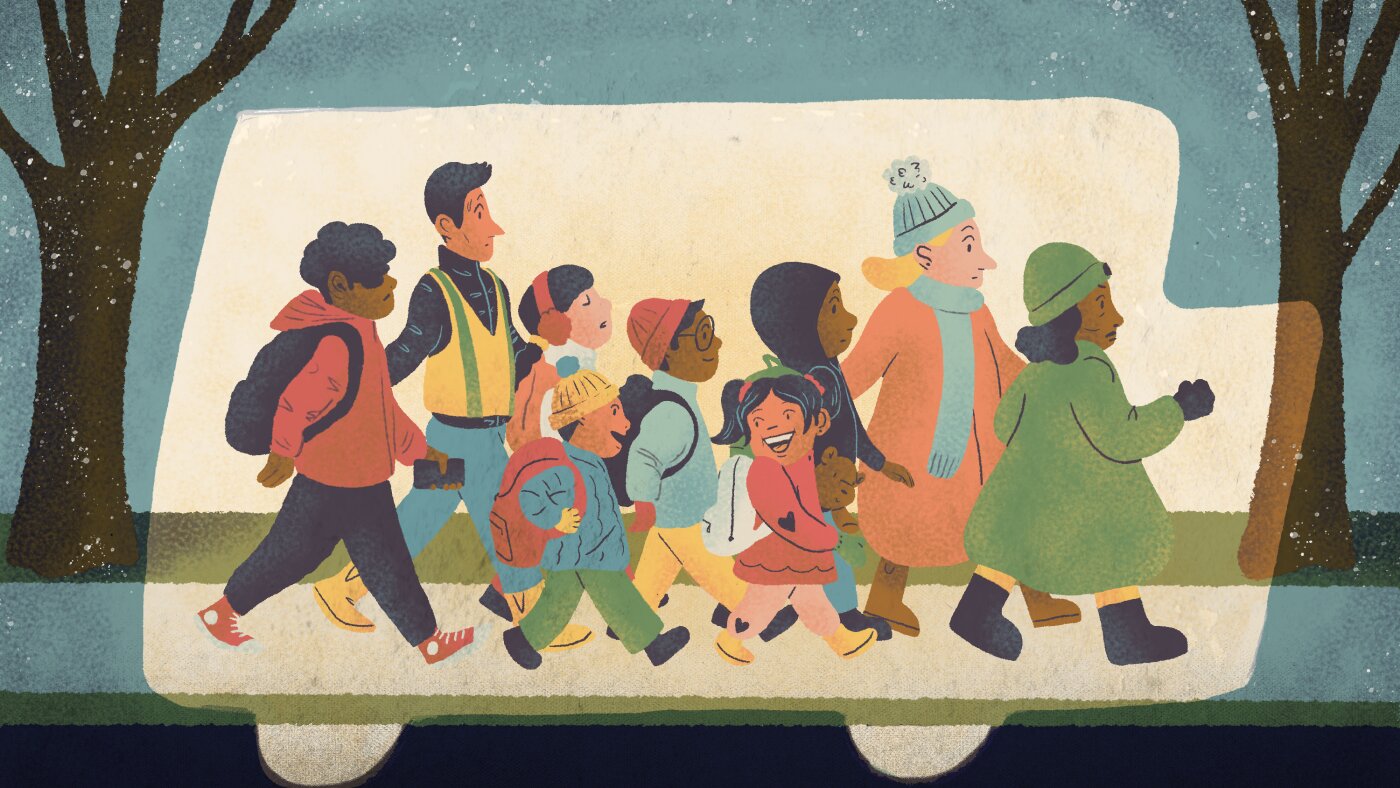
In a stark illustration of the human cost of aggressive immigration policies, communities across the nation are mobilizing to protect children's right to education by establishing 'walking buses' – groups of students escorted to and from school to avoid potential encounters with ICE. This innovative response underscores the failure of current policies to safeguard vulnerable populations and exposes the deep-seated fear and anxiety pervading immigrant communities.
The 'walking bus' initiative, while seemingly simple, represents a powerful act of resistance against the chilling effect of ICE operations. Parents, fearing deportation, are increasingly reluctant to allow their children to travel to school alone, leading to increased absenteeism and academic disruption. The 'walking bus' not only provides a safe passage but also fosters a sense of solidarity and community in the face of adversity.
This situation is a direct consequence of policies that prioritize enforcement over family unity and human rights. The rise in ICE activity has created a climate of fear, forcing families to live in constant anxiety and undermining the well-being of children. The long-term psychological impact on these children, who witness their parents' fear and experience the threat of separation, cannot be overstated.
Experts argue that these policies disproportionately affect marginalized communities, exacerbating existing inequalities and perpetuating cycles of poverty. Children from immigrant families are already more likely to face challenges such as language barriers, discrimination, and lack of access to resources. The added stress of potential deportation further compounds these challenges and hinders their ability to succeed in school.
The 'walking bus' is a testament to the resilience and resourcefulness of immigrant communities, but it is not a sustainable solution. It places an undue burden on volunteers and community organizations, who are forced to step in where government agencies have failed. The root cause of the problem – the aggressive and inhumane immigration policies – must be addressed.
Progressive lawmakers and advocacy groups are calling for comprehensive immigration reform that prioritizes family unity, due process, and pathways to citizenship. They argue that investing in education and social services for immigrant communities is not only morally right but also economically sound. A well-educated and integrated immigrant population benefits society as a whole.