Conflict and Cuts Fuel Ebola Crisis in DRC, WHO Demands Ceasefire
Years of conflict, international aid cuts, and attacks on healthcare facilities exacerbate the Ebola outbreak in the Democratic Republic of Congo, disproportionately affecting vulnerable populations.
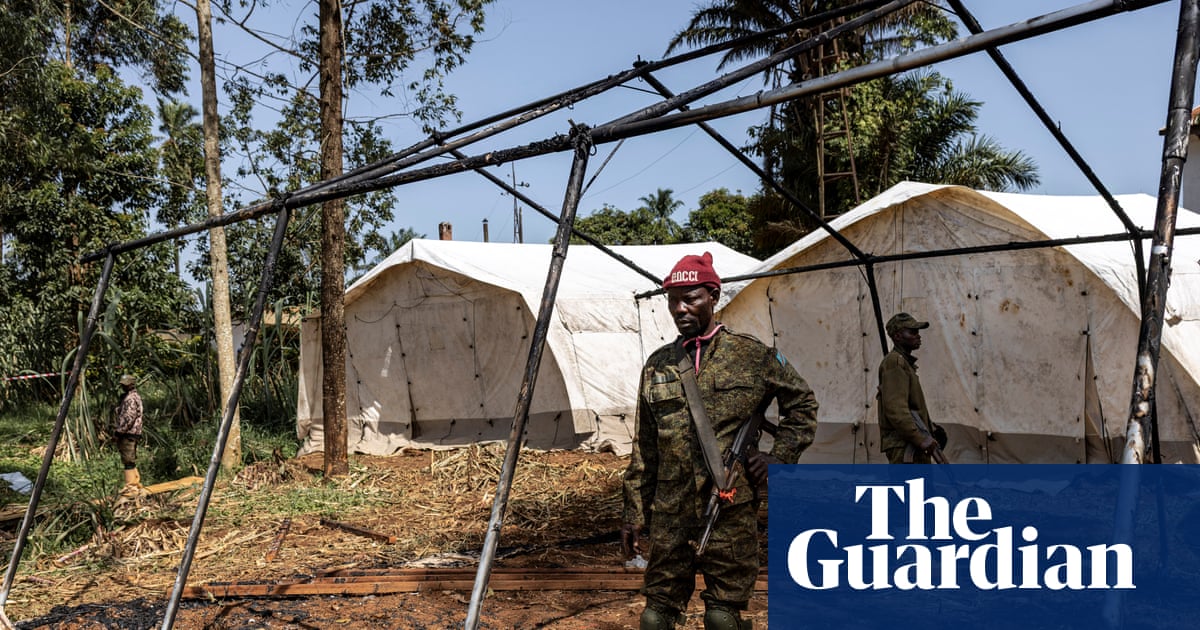
Johannesburg - The World Health Organization (WHO) is urgently calling for a ceasefire in the eastern Democratic Republic of the Congo (DRC), as ongoing conflict collides with a burgeoning Ebola outbreak, creating a perfect storm of humanitarian disaster fueled by systemic neglect and violence.
WHO Director-General Tedros Adhanom Ghebreyesus has characterized the situation as a “catastrophic collision of disease and conflict,” emphasizing that the Ebola outbreak in Ituri province is outpacing the response, a direct consequence of the precarious security situation and dwindling international support.
Tedros's upcoming visit to the DRC underscores the severity of the crisis. As of Sunday, WHO data revealed nearly 900 suspected Ebola cases and 223 suspected deaths in the DRC, with seven confirmed cases and one death in Uganda. The outbreak, confirmed on May 15 in Ituri, highlights the vulnerability of communities already ravaged by conflict and displacement.
Eastern DRC's history of instability, marked by the presence of numerous armed groups, predates the current outbreak. While the government nominally controls Ituri, escalating insecurity has displaced almost one million people, according to the UN humanitarian office. This mass displacement exacerbates the spread of Ebola, as individuals flee to overcrowded camps with limited access to sanitation and healthcare.
The outbreak's southward spread into rebel-held areas of North Kivu and South Kivu, controlled by the Rwandan-backed M23 group, further complicates containment efforts. These areas, often marginalized and underserved, lack the infrastructure and resources necessary to effectively combat the virus, exposing vulnerable populations to heightened risk.
Tedros stressed that humanitarian access is paramount to stopping the Ebola transmission. “Ongoing clashes are driving mass displacement, pushing exposed contacts into overcrowded camps and severing critical containment corridors,” he stated, highlighting the direct link between conflict and disease spread.
“Frontline workers are risking everything, while attacks on health facilities make tracking cases and their contacts nearly impossible. We cannot build community trust or isolate the sick while bombs are falling. We urge all warring parties to agree to an immediate ceasefire to contain this outbreak,” Tedros added, underscoring the urgent need for protection of healthcare workers and facilities.


