Congo's Ebola Outbreak Exposes Systemic Neglect and Global Health Inequities
A rare Ebola strain's rapid spread in eastern Congo underscores the vulnerability of marginalized communities facing conflict and inadequate healthcare access.
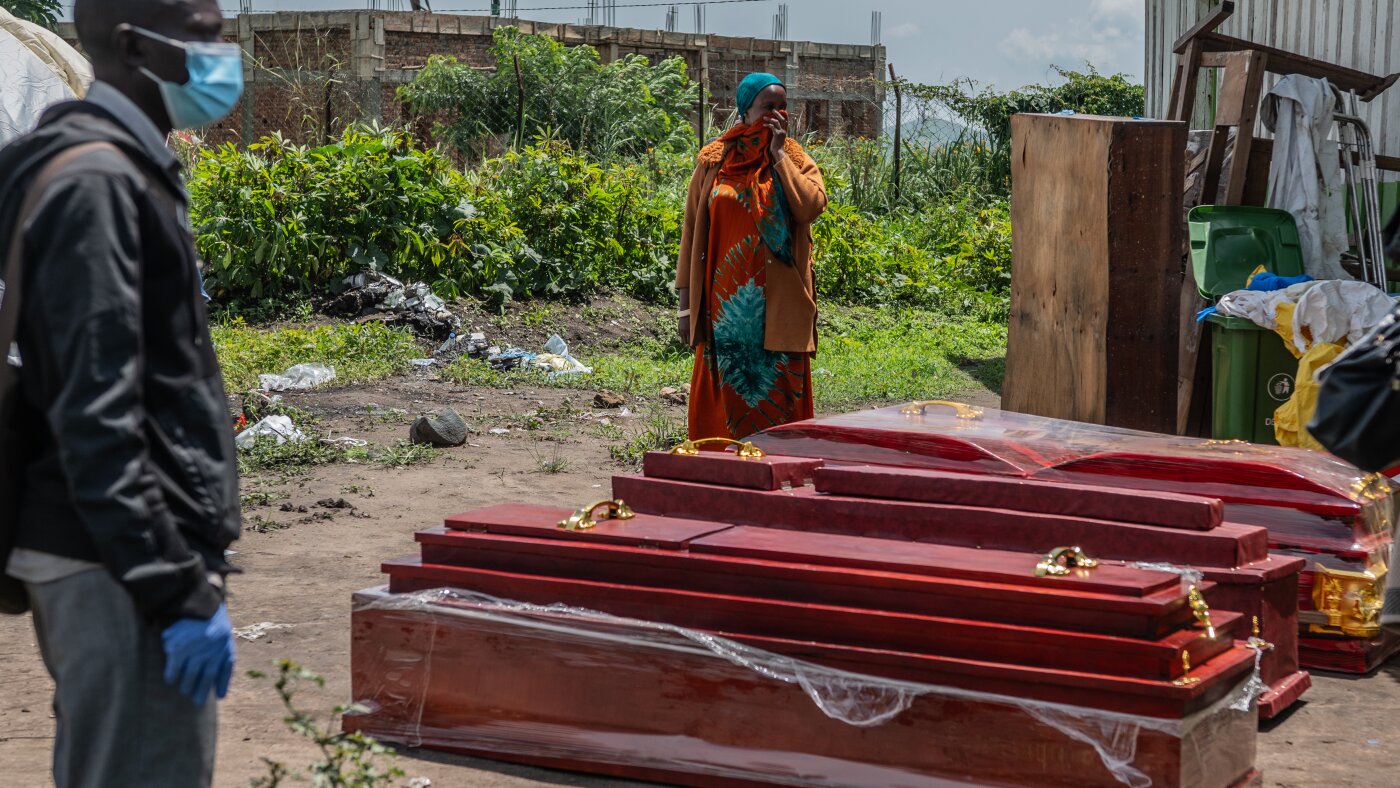
BUNIA, Congo — The escalating Ebola outbreak in eastern Congo, driven by a rare Bundibugyo strain, lays bare the deep-seated inequalities and systemic neglect that disproportionately impact vulnerable populations. This crisis unfolds in a region already ravaged by conflict, exposing the fragility of its healthcare infrastructure and the dire consequences of inadequate global health investment.
For too long, communities in eastern Congo have been caught in a cycle of violence and instability, exacerbated by the presence of armed groups and the exploitation of natural resources. The attack by militants linked to the Islamic State, which killed at least 17 people, highlights the pre-existing humanitarian crisis that now compounds the challenges of containing the Ebola outbreak. This intersection of conflict and disease creates a perfect storm of suffering, demanding urgent and sustained attention.
The rapid spread of the Bundibugyo virus, undetected for weeks while authorities focused on a more common strain, reveals critical shortcomings in surveillance and diagnostic capacity. Anaïs Legand, with WHO’s emergencies program, indicated the outbreak may have begun months ago, suggesting a significant window of opportunity was missed to contain the virus early on. This failure underscores the need for robust and proactive public health systems, particularly in regions at high risk of outbreaks.
Adding insult to injury, residents report skyrocketing prices and shortages of essential supplies like masks and disinfectants. This economic exploitation during a public health crisis is unconscionable. The fact that disinfectants previously costing $1 now cost four times as much is a stark reminder of the predatory practices that thrive in vulnerable communities. Access to affordable healthcare and essential supplies must be a fundamental right, not a privilege.
The heartbreaking scenes at treatment centers in Rwampara, where families grieve as healthcare workers disinfect the bodies of suspected Ebola victims, are a testament to the human cost of this crisis. Botwine Swanze's account of her son's rapid decline, marked by agonizing pain and bleeding, is a poignant reminder of the devastating impact of Ebola on individuals and families. These stories demand empathy and action.
The WHO's declaration of a public health emergency of international concern is a welcome step, but it must be accompanied by concrete action. The estimated 1,000+ cases by the London-based MRC Centre for Global Infectious Disease Analysis, far exceeding confirmed numbers, underscore the urgency of scaling up the response. The global community must provide immediate financial and technical support to strengthen Congo's healthcare system and ensure equitable access to treatment and prevention.
While the WHO points to Congo's past experience with Ebola outbreaks, the unique challenges posed by the Bundibugyo virus and the ongoing conflict require a tailored and comprehensive approach. The fact that a vaccine is still months away is unacceptable. Investing in research and development of vaccines and treatments for neglected tropical diseases must be a global priority.
Ultimately, addressing the Ebola outbreak in Congo requires a holistic approach that tackles the root causes of vulnerability. This means investing in peacebuilding, promoting good governance, strengthening healthcare systems, and ensuring equitable access to essential resources. Only then can we prevent future outbreaks and build a more just and equitable world.


