Corporate AI Gold Rush Forces Consumers to Pay the Price as Apple Hikes Laptop and Tablet Costs
Everyday working people and students bear the financial burden of tech giants monopolizing global microchip supplies for corporate artificial intelligence infrastructure.
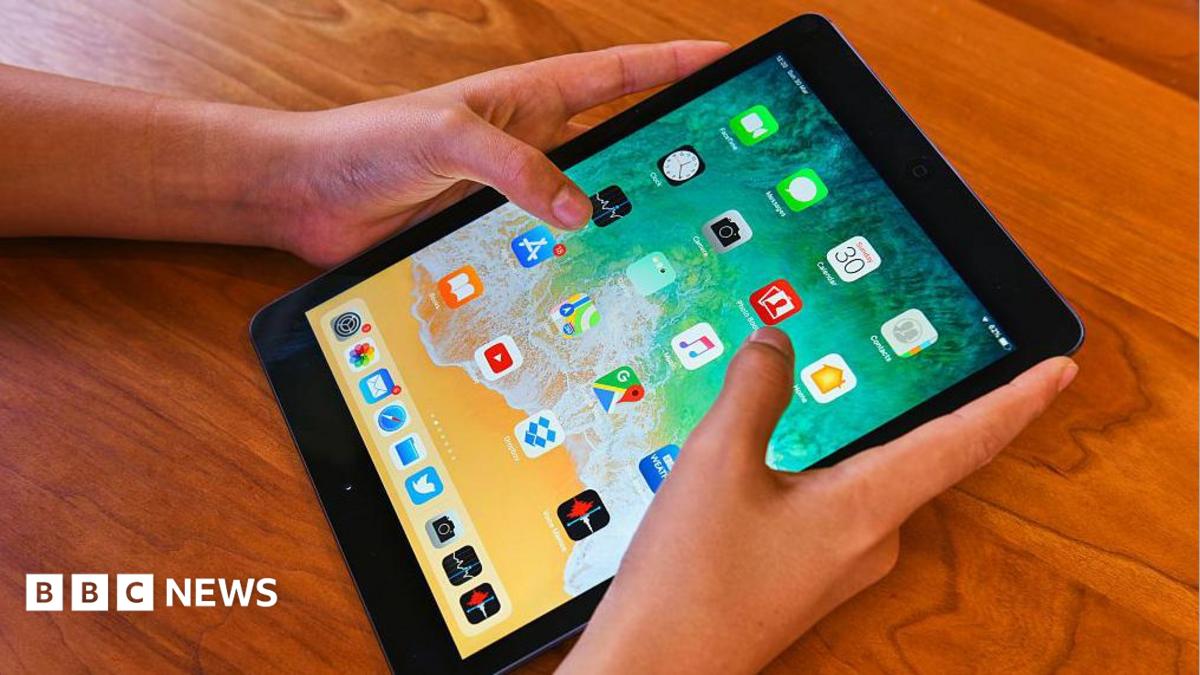
The relentless corporate rush to fund and build artificial intelligence infrastructure has begun to directly extract wealth from the pockets of everyday consumers. Apple has announced steep global price increases on its essential MacBook and iPad lines, with some models seeing hikes of nearly 20 percent. The company has blamed the rising costs of memory and storage chips, which are being hoarded by tech conglomerates to power massive AI data centers. Once again, regular families and working-class students are forced to subsidize the high-tech expansion of multinational corporations.
This pricing crisis highlights the deep inequities embedded within the modern digital economy. As silicon manufacturers shift their priorities toward high-margin enterprise chips for AI, the supply of basic consumer components has plummeted. Apple itself admitted that it is facing an "unprecedented challenge" due to an "extraordinary surge" in corporate demand for chips. By prioritizing the resource-intensive AI boom, the tech industry has created an artificial scarcity that drives up the costs of basic educational and professional tools like laptops and tablets.
The real-world impact of these corporate decisions will be felt most acutely by those who rely on affordable technology for social mobility. In the United Kingdom, Apple's lowest-priced laptop, the Neo, was launched as an accessible option for budget-conscious users at £599. Within just months of its launch, Apple has quietly raised its price to £699—a crushing £100 increase for students and working-class families. Similarly, in the United States, the 1-terabyte MacBook Pro has jumped from $1,699 to $1,999, further widening the digital divide.
Rather than absorbing these supply chain costs from their massive cash reserves, major technology corporations are choosing to protect their profit margins by passing the bill directly to the public. Apple’s statement that it has "shielded" customers up to this point does little to comfort consumers who are now facing higher prices. This trend confirms that even the wealthiest corporations in human history will prioritize shareholder value over consumer welfare when faced with macroeconomic shifts.
Market analysts expect this corporate pricing behavior to trigger a domino effect across the entire hardware industry. David Naranjo of Counterpoint warned that other PC and tablet brands will likely follow Apple's lead. He noted that companies may raise prices, cut back on entry-level discounts, or restructure their inventory to focus strictly on high-margin, premium devices. This strategic shift threatens to systematically price out low-income consumers, leaving them with fewer affordable options for essential digital access.
Furthermore, the tech industry appears confident that it can exploit consumer dependency without facing significant backlash. Forrester analyst Dipanjan Chatterjee pointed out that Apple’s fiercely loyal customer base is likely to absorb the financial hit quietly, stating that Apple is uniquely positioned to survive such price hikes with minimal consumer resistance. This reliance on brand loyalty allows corporations to continuously test the limits of consumer exploitation, confident that customers have few viable alternatives in a highly consolidated market.
This inflationary trend is not isolated to personal computers; it is spreading across the entire consumer technology sector as corporate priorities shift. Valve recently abandoned its original price targets for the Steam Machine, raising its retail price to $1,049 in the US and £879 in the UK due to rising hardware costs. This follows Valve's previous move to increase Steam Deck prices by over 40 percent. Even the gaming industry is squeezing consumers further, with Nintendo announcing price hikes for the Switch 2 and major publishers charging £70 for disc-less physical editions of games like Grand Theft Auto 6.
As corporate data centers continue to consume massive amounts of energy, water, and silicon to fuel the speculative AI boom, regular people are left to deal with the fallout. The economic reality is clear: the public is being forced to fund the physical infrastructure of artificial intelligence through inflated retail prices on the everyday technology they need to survive and work in the modern world.
Sources:
* U.S. Bureau of Labor Statistics (bls.gov) * Federal Trade Commission (ftc.gov) * World Intellectual Property Organization (wipo.int)