Corporate Climate Inaction Exposed as Historic Heatwave and Violent Storms Devastate Working Communities Globally
From Frankfurt workers laboring in 40C heat to families displaced by a Russian tornado and Chinese mudslides, the working class bears the brunt of the climate crisis.
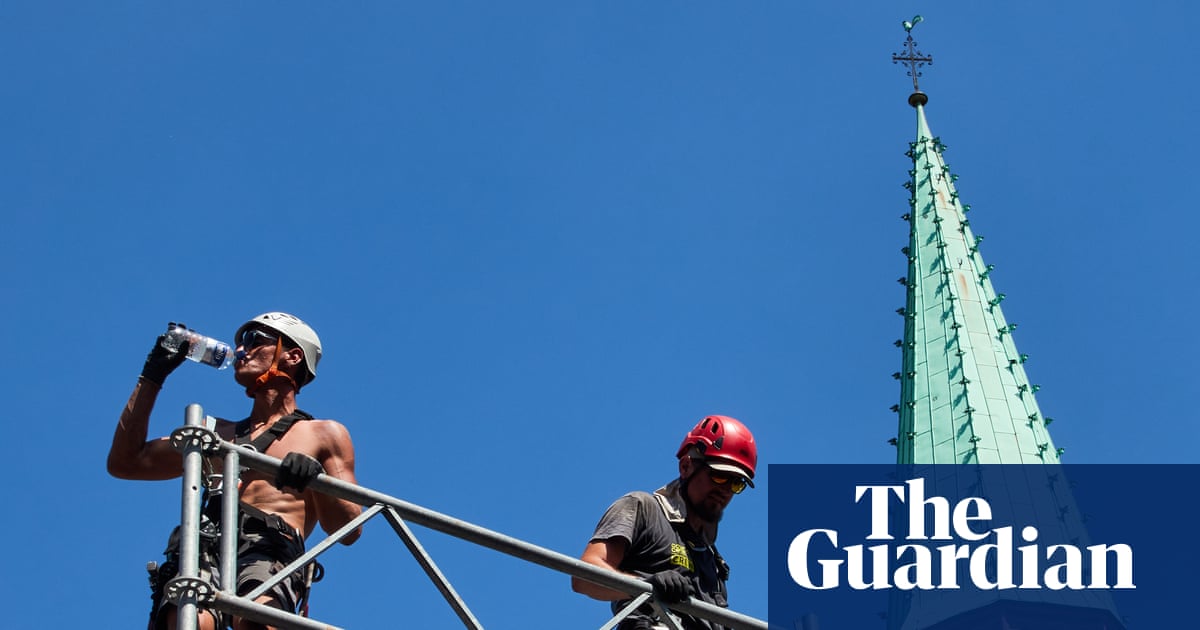
The late June 2026 climate crisis is unfolding in real-time across the globe, exposing the severe human costs of ecological neglect. From the sweltering streets of central Europe to the storm-battered towns of Russia and the flood-threatened neighborhoods of southern China, working-class communities are facing the lethal consequences of a changing climate. As corporate elites and mainstream institutions struggle to adapt, the physical and economic burden of this extreme weather falls squarely on the shoulders of the most vulnerable.
In Germany and Poland, temperatures are projected to breach the 40-degree Celsius (104 degrees Fahrenheit) mark over the weekend. This unprecedented heatwave follows extreme temperatures that scorched France only days prior. On the ground, the impact of this heat is experienced not as an abstract statistic, but as a severe workplace hazard. Outdoor laborers, such as those in Frankfurt, are forced to continue working in grueling conditions, relying on basic hydration to survive shifts in temperatures that threaten heat stroke and systemic physical exhaustion.
While working people sweat through these extreme temperatures, the contrast with elite spaces is stark. In Spielberg, Austria, the organizers of the Austrian Grand Prix have declared a "heat hazard"—the first such declaration of the season—as temperatures rise to the low 30s Celsius. This spike, which is nearly 10 degrees Celsius warmer than the venue’s historical average, demonstrates how commercial and sporting institutions are forced to modify their operations. Yet, while multi-million-dollar racing teams receive formal protections, millions of ordinary citizens must navigate the extreme heat without systemic relief or structural workplace safety guarantees.
The science behind this crisis is clear and damning. Researchers have declared that this European heatwave is the worst in history, concluding that an event of this magnitude would be completely impossible without the systemic climate crisis. This is not a natural disaster; it is the direct result of industrial emissions and political inaction. The failure of global leadership to curb emissions has locked in these lethal temperatures, forcing working people to adapt to a rapidly deteriorating biosphere.
The destructive consequences of this atmospheric instability are also visible in the Sverdlovsk region of central Russia. On June 22, a powerful tornado—rated a 3 out of 5 on the Fujita scale—swept through the town of Kushva. The twister left a trail of destruction, injuring 16 people and destroying or severely damaging roughly 100 homes and businesses. Working-class families have had their lives uprooted, losing their shelter and livelihoods in an instant, while emergency crews scramble to restore basic electrical power to the community.


