Corruption Trials Expose Systemic Issues Plaguing Spain's Major Parties
As corruption trials targeting the PSOE and PP unfold, they reveal the urgent need for systemic reforms to ensure accountability and transparency in Spanish politics.
MADRID – As Spain gears up for regional and general elections, the nation is grappling with a stark reminder of the deep-seated issues that continue to plague its political landscape: corruption. Twin trials involving prominent figures from both the ruling Spanish Socialist Workers' party (PSOE) and the conservative People's party (PP) have brought the unresolved legacy of political graft and backroom deals into sharp focus, demanding a reckoning with the systemic failures that allow such practices to persist.
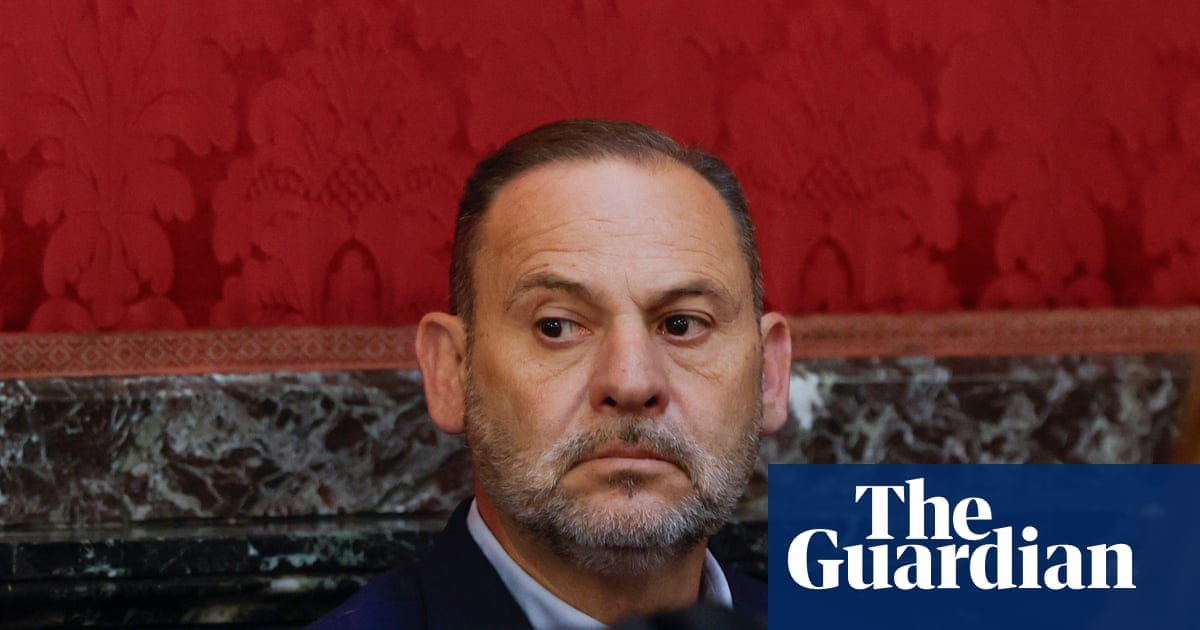
The “caso Koldo,” targeting former transport minister José Luis Ábalos (PSOE) and his associates, lays bare the potential for abuse within public contracting, particularly during times of crisis. The allegations of kickbacks on contracts for essential sanitary equipment during the COVID-19 pandemic are not just a betrayal of public trust but also a stark indictment of a system that prioritized personal gain over the well-being of the Spanish people.
The trial also raises questions about the oversight mechanisms in place within the PSOE and the Sánchez administration. While Prime Minister Pedro Sánchez himself has not been directly implicated, the proximity of the allegations to his inner circle, including accusations against his wife, Begoña Gómez, and his brother, David Sánchez, underscores the urgent need for a comprehensive review of ethical standards and accountability measures within the government.
The accusations against Gómez, involving the alleged misuse of her position to secure sponsorships and misappropriate state funds, highlight the intersection of power, privilege, and potential corruption. Similarly, the allegations against David Sánchez, involving a questionable job appointment, reinforce the perception of cronyism and favoritism within certain political circles.
The fact that these allegations are being brought forward by Manos Limpias (Clean Hands), a far-right pressure group with a history of politically motivated lawsuits, further complicates the narrative. While the group's motives may be questionable, the fact remains that their complaints have triggered investigations and trials, exposing potential vulnerabilities within the system.
The PP, while currently in opposition, is not immune to these accusations. The parallel trial involving former senior figures within their party underscores the pervasive nature of corruption across the political spectrum. The Gürtel case, which led to the ousting of the PP government in 2018, serves as a cautionary tale about the consequences of unchecked corruption and the erosion of public trust.