Court Blocks Trump's Attempt to Rewrite Kennedy Center Legacy
Judge's ruling protects the Kennedy Center from unilateral rebranding, affirming Congressional authority and preserving a cultural institution.
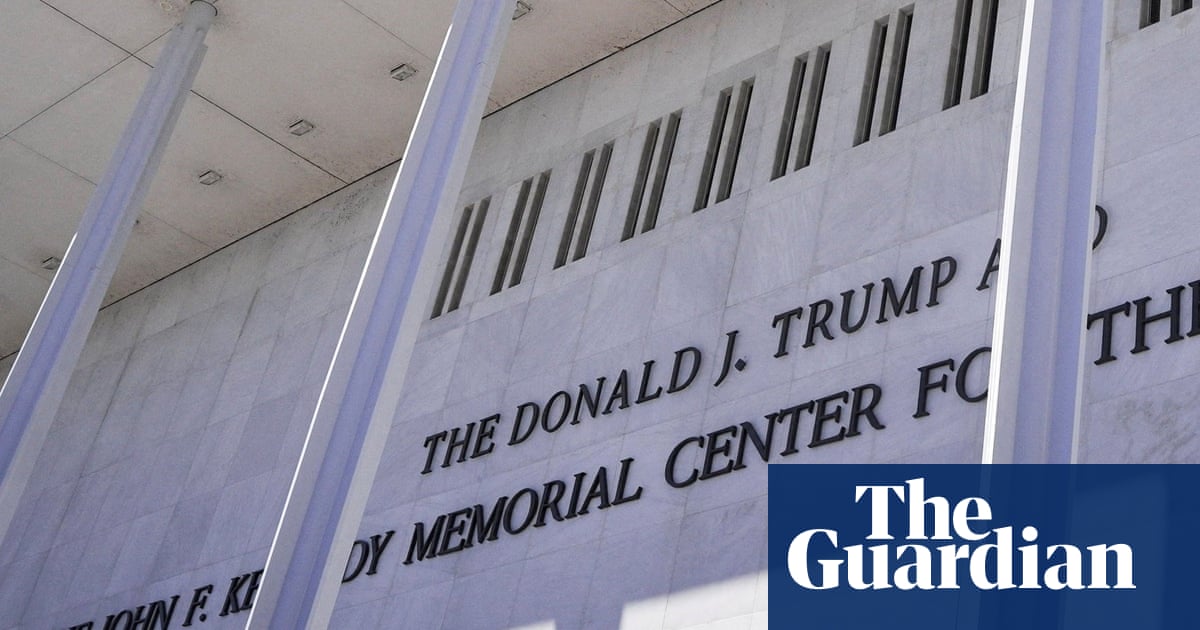
Washington D.C. - A federal judge has struck down an attempt by the Trump administration to unilaterally rename the Kennedy Center for the Performing Arts, safeguarding the institution's integrity and upholding the principle of Congressional oversight. The ruling prevents the erasure of the Center's historical significance through executive overreach.
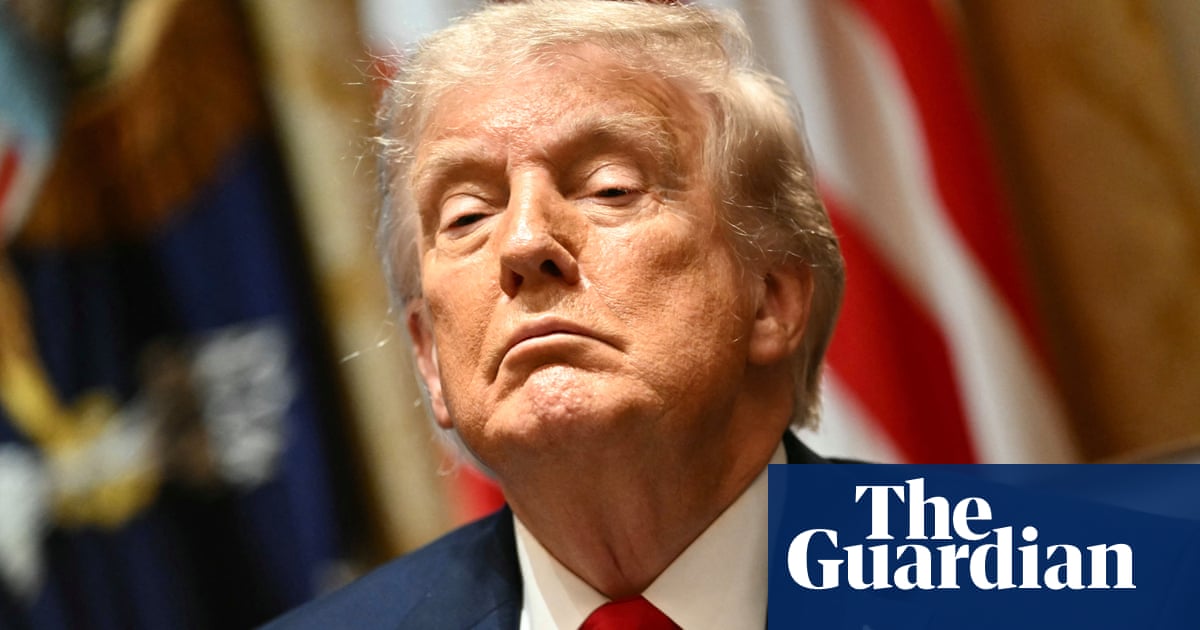
US District Judge Christopher Cooper ordered the removal of Donald Trump's name from the Kennedy Center, asserting that any renaming requires an act of Congress. This decision halts the Trump administration's plan, announced February 2, 2026, to close the Center for two years for reconstruction and rebrand it with the former President's name.
The move to rename the Kennedy Center was widely criticized as an attempt to politicize a national cultural institution and undermine its legacy as a memorial to President John F. Kennedy. Critics argued that the renaming was disrespectful to Kennedy's memory and an attempt to impose Trump's personal brand on a public asset.
The Kennedy Center's role as a publicly funded venue dedicated to the performing arts is crucial for providing accessible cultural experiences to diverse communities. Renaming the Center after Trump would have alienated many, undermining its mission of inclusivity and accessibility.
The judge's decision protects the Kennedy Center from being used as a tool for political self-aggrandizement. It affirms that national monuments and cultural institutions should be shielded from partisan manipulation and remain dedicated to serving the public good.
The ruling also reinforces the importance of Congressional oversight in decisions affecting national institutions. By requiring Congressional approval for any renaming, the court ensures that such decisions are subject to public debate and democratic accountability.
The potential closure for reconstruction raised concerns about the impact on artists, staff, and the community that relies on the Kennedy Center for cultural enrichment and economic opportunities. The legal challenge helped ensure that the community's voice was heard.
This ruling serves as a crucial check on executive power and a victory for those who believe in protecting our cultural institutions from political interference. The promptness of the order indicates the court’s dedication to preserving established legal frameworks and resisting attempts to exploit national symbols for personal gain. The Kennedy Center can continue serving its vital role without the shadow of partisan agendas.