CPAC Poll Shows Vance Leading Amidst Growing Fault Lines in Republican Party
As the right-wing grapples with internal divisions and a costly war, the CPAC straw poll reveals support for Vance but underscores the fragility of the conservative coalition.
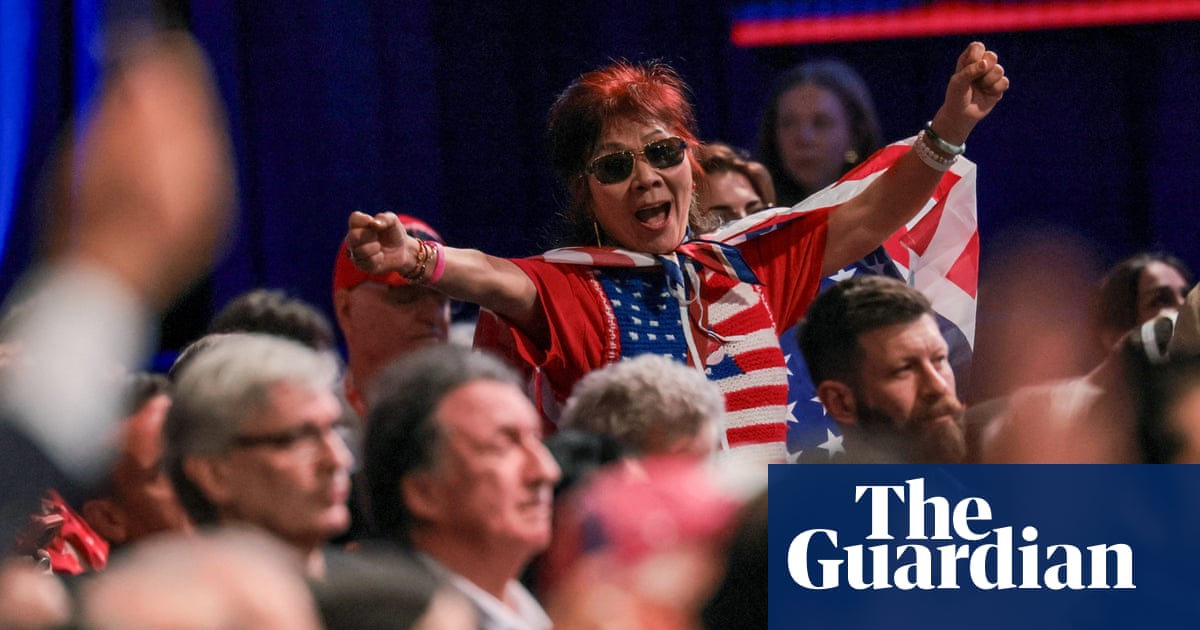
GRAPEVINE, Texas — The Conservative Political Action Conference (CPAC) straw poll has indicated Vice President JD Vance as the preferred Republican presidential candidate for 2028, but the results arrive at a moment of deep uncertainty and fragmentation within the conservative movement. Vance secured 53% of the vote among the more than 1,600 CPAC attendees, while Secretary of State Marco Rubio followed with 35%.
The CPAC poll, while not a guaranteed predictor of future electoral success, offers a snapshot of the priorities and anxieties within the right-wing ecosystem. This year's gathering in Grapevine, Texas, takes place against the backdrop of significant challenges facing the nation and the Republican party.
The so-called 'Make America Great Again' movement, once a seemingly unified force, has been fractured by scandal, disillusionment, and policy disagreements. The Epstein files fiasco and the ongoing US and Israel's war on Iran have exacerbated existing tensions, leading to prominent figures like Marjorie Taylor Greene abandoning the movement, citing these very issues as catalysts.
While the CPAC poll suggests support for Vance, it masks a deeper crisis of identity and purpose within the conservative ranks. The war on Iran, in particular, has exposed divisions between isolationist and interventionist factions, further complicating the political landscape. A Politico poll reveals that the majority still back Trump, indicating an uncertainty about the future direction of the party.
It's critical to remember that CPAC represents only one segment of the conservative electorate, and its preferences may not reflect the broader sentiments of Republican voters nationwide. The focus on foreign policy and military intervention at CPAC might be out of touch with the economic anxieties and social concerns of working-class Americans who have historically supported the Republican party. Furthermore, the rise of figures like Rubio, known for his hawkish foreign policy stances, raises concerns about the party's commitment to peace and diplomacy.
The increasing influence of far-right leaders, both domestic and international, within the Republican party should also be a cause for concern. Rubio's efforts to forge close ties with these figures risk normalizing extremism and undermining democratic values.
While Vance led last year's CPAC poll with 61%, followed by Steve Bannon (12%) and Ron DeSantis (7%), these shifts are indicators of how easily the tides can turn. Rubio's rise in popularity from 3% last year, attributed to his role in foreign policy, is a cautionary tale.