Cruelty Enacted: Supreme Court's 6-3 Conservative Majority Strips Lifelines from Haitian and Syrian Migrants
The high court's devastating ruling exposes hundreds of thousands to deportation, as Stephen Miller boasts that the nation's doors are "closed fully."

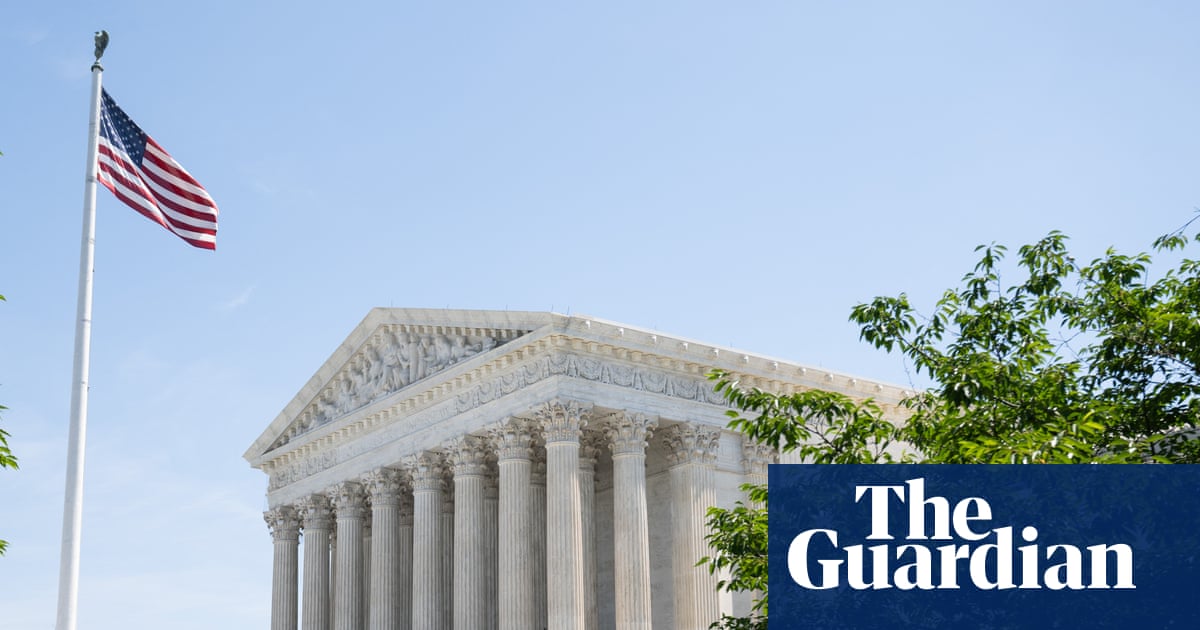
In a deeply troubling decision that highlights the hard-right shift of the nation's highest court, the Supreme Court voted 6-3 on Thursday to allow the Trump administration to dismantle crucial legal protections for hundreds of thousands of migrants from Haiti and Syria. By lifting the lower court injunctions that had shielded these vulnerable populations, the conservative majority has cleared the way for the mass deportation of families who fled catastrophic violence and natural disasters.
The immediate aftermath of the ruling was marked by chilling triumphalism from the White House. Senior advisor Stephen Miller, the architect of the administration's nativist immigration agenda, celebrated the decision by declaring that "America's doors are closed fully to asylum seekers." The blunt statement confirmed what immigrant rights advocates have long warned: the administration's goal is the systematic dismantling of humanitarian protections, regardless of the human cost.
Temporary Protected Status (TPS) was created by Congress in 1990 to provide sanctuary to foreign nationals whose home countries are unsafe for return. For Haiti, the designation came in 2010 after a devastating earthquake killed over 200,000 people and decimated the country's fragile infrastructure. For Syria, protection was granted in 2012 as a brutal civil war tore the country apart, leaving millions displaced and vulnerable to state-sanctioned violence and terror.
For over a decade, hundreds of thousands of Haitian and Syrian families have built lives, careers, and communities in the United States under the protection of TPS. They have raised children, paid taxes, and integrated into the fabric of American society. Thursday's ruling suddenly uproots these families, forcing them to choose between returning to hazardous, unstable conditions or living in the shadows of American society under the constant threat of deportation.
Lawyers representing the affected families had argued that the administration's rush to terminate these protections violated the Administrative Procedure Act. They presented extensive evidence showing that both Haiti and Syria remain engulfed in crises—Haiti is currently grappling with severe gang violence and political collapse, while Syria remains a fractured war zone. The plaintiffs argued that ending protections under these conditions constitutes a severe abuse of administrative discretion.
However, the court's conservative majority chose to prioritize expansive executive power over basic human rights. By ruling 6-3 along ideological lines, the court signaled its willingness to defer to the executive branch's harsh immigration policies, effectively shielding the administration from meaningful judicial oversight. The decision leaves vulnerable communities with virtually no legal recourse against politically motivated policy shifts.