Cuban Diplomat Appeals for Solidarity as U.S. Policies Fuel Humanitarian Crisis
Deputy Foreign Minister Josefina Vidal highlights the devastating impact of U.S. sanctions on Cuban people amid food shortages and economic hardship.
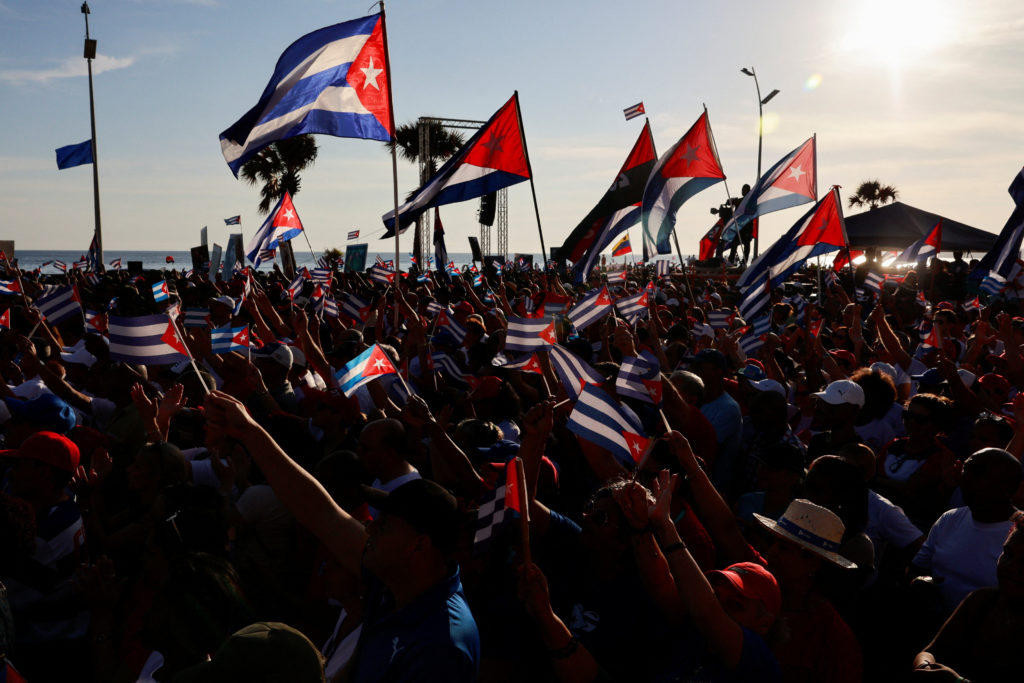
HAVANA – As Cuba grapples with severe food shortages and a deepening economic crisis, Deputy Foreign Minister Josefina Vidal has issued a powerful appeal for international solidarity, underscoring the devastating impact of U.S. policies on the Cuban people. The recent delivery of humanitarian aid from China offers a temporary respite, but the underlying issues, exacerbated by decades of U.S. sanctions, demand a fundamental shift in approach. Vidal's comments come at a crucial moment, as the Trump administration's hardline stance continues to inflict immense suffering on ordinary Cubans.
The current crisis is not simply a matter of economic mismanagement; it is a direct consequence of the U.S. embargo, a policy that has been condemned by the international community for its disproportionate impact on the Cuban population. This embargo, imposed in 1962, has restricted Cuba's access to essential goods, services, and financial resources, hindering its ability to develop its economy and provide for its citizens.
The humanitarian aid from China, while welcome, is merely a band-aid on a deep wound. The root cause of Cuba's economic woes lies in the relentless pressure exerted by the United States, which has consistently sought to undermine the Cuban government and impose its will on the island nation. This policy is not only morally reprehensible but also strategically counterproductive, as it fuels resentment and instability in the region.
Vidal rightly asserted Cuba's right to defend itself against what she describes as U.S. aggression. This is not simply a matter of national pride; it is a fundamental principle of international law. Every nation has the right to self-determination and to protect its sovereignty from external interference. The U.S.'s continued hostility towards Cuba is a violation of this principle and a threat to regional peace and stability.
The legacy of U.S. intervention in Cuba is long and painful. From the Platt Amendment, which granted the U.S. the right to intervene in Cuban affairs, to the Bay of Pigs invasion, the U.S. has a history of meddling in Cuba's internal affairs. This history has created a deep sense of mistrust and resentment, making it difficult to build a constructive relationship between the two countries.
The economic embargo has had a particularly devastating impact on vulnerable populations in Cuba, including children, the elderly, and people with disabilities. These individuals are disproportionately affected by the shortages of food, medicine, and other essential goods. The U.S. policy is, in effect, a form of collective punishment, inflicting suffering on an entire population in an attempt to achieve political goals.
The growing relationship between Cuba and China offers a glimmer of hope. China's willingness to provide humanitarian aid and invest in the Cuban economy demonstrates a commitment to solidarity and mutual cooperation. This partnership provides Cuba with an alternative source of support and strengthens its resilience in the face of U.S. pressure.
The international community must demand an end to the U.S. embargo and support Cuba's right to self-determination. The Biden administration has an opportunity to reverse the harmful policies of its predecessor and pursue a more constructive approach based on dialogue and mutual respect. This is not only the right thing to do morally, but also the smart thing to do strategically.
The voices of the Cuban people must be heard. They are the ones who are suffering the most from the U.S. embargo and the economic crisis. Their resilience and determination in the face of adversity are an inspiration to us all. We must stand in solidarity with them and work towards a future where all Cubans can live with dignity and opportunity.
The current situation demands a comprehensive reassessment of U.S. foreign policy towards Cuba. It is time to abandon the failed policies of the past and embrace a new era of engagement based on mutual respect and cooperation. The future of U.S.-Cuban relations, and the well-being of the Cuban people, depends on it.
Ultimately, true progress requires addressing the systemic inequalities that plague both Cuban society and the broader international order. Ending the embargo is a crucial first step, but it must be followed by a commitment to social justice, economic development, and human rights for all.
Sources: * United Nations Human Rights Office * Oxfam International * Center for Economic and Policy Research (CEPR)


