Cyber Threats Targeting Midterms Highlight Vulnerabilities in Political System, Experts Warn
Report underscores the need for robust cybersecurity measures to protect marginalized communities and ensure equitable access to accurate election information.
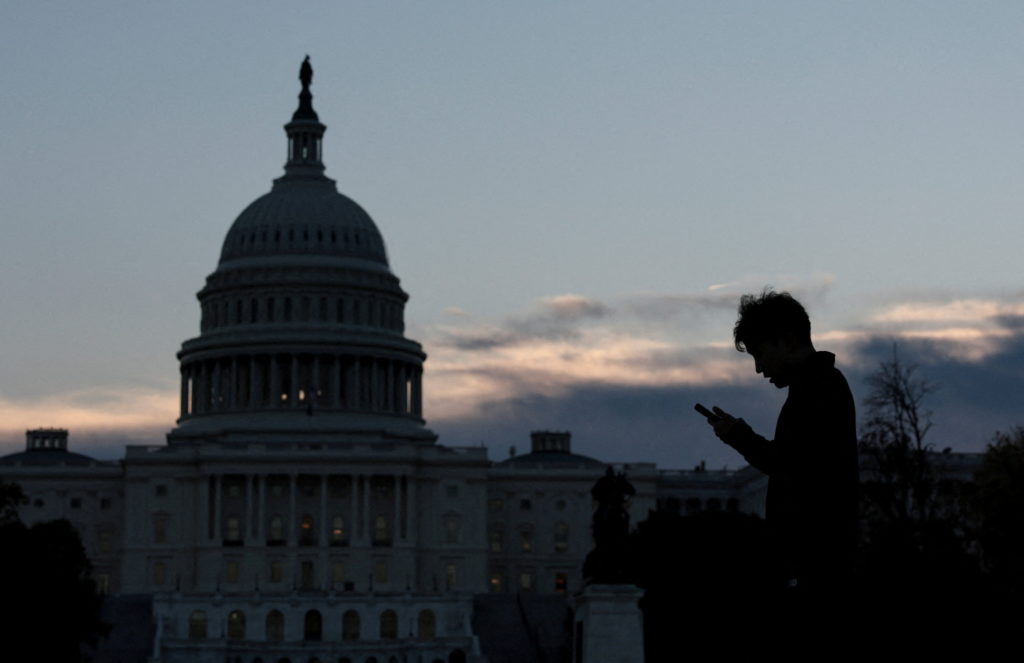
A new report warns that the upcoming midterm elections in the United States face an “elevated” risk of cyber threats, jeopardizing political organizations, fundraising platforms, and media outlets. As first reported by PBS News, the analysis by cybersecurity firm Check Point reveals a surge in newly registered domain names containing election-related keywords, signaling potential misinformation campaigns and cyberattacks that could disproportionately impact marginalized communities.
The report highlights a disturbing trend: in January alone, approximately 1,300 newly registered domains contained the keyword “election,” while 2,957 contained “vote.” This proliferation of potentially malicious websites raises serious concerns about the spread of disinformation and its impact on voter turnout, especially among communities already facing systemic barriers to political participation. The digital divide exacerbates these vulnerabilities, leaving low-income individuals and communities of color more susceptible to online manipulation.
Past elections have demonstrated the devastating consequences of cyberattacks and disinformation campaigns. The 2016 presidential election saw coordinated efforts by foreign actors to sow discord and undermine public trust in the democratic process. These efforts targeted specific demographics with tailored misinformation, exploiting existing social divisions and amplifying harmful stereotypes.
For marginalized communities, the impact of election-related cyber threats extends beyond individual voters. Disinformation campaigns often target specific racial, ethnic, and religious groups with false narratives designed to suppress their vote and discourage political engagement. These tactics perpetuate historical patterns of disenfranchisement and undermine efforts to build a more inclusive democracy.
Addressing these challenges requires a multi-faceted approach that prioritizes equity and accessibility. Investing in digital literacy programs is crucial to equip individuals with the skills to identify and resist online manipulation. These programs should be tailored to the specific needs of marginalized communities and delivered through trusted community organizations.
Furthermore, social media companies must take greater responsibility for combating the spread of disinformation on their platforms. This includes implementing robust content moderation policies, investing in fact-checking resources, and increasing transparency around algorithms that amplify harmful content.
Government agencies also have a critical role to play in protecting elections from cyber threats. This includes providing cybersecurity training to election officials, conducting regular audits of voting systems, and working with community organizations to combat disinformation.
The report serves as a stark reminder of the need for vigilance and proactive measures to protect the integrity of our elections. By addressing the systemic vulnerabilities that make marginalized communities particularly susceptible to cyber threats, we can build a more equitable and resilient democracy for all.
Ultimately, safeguarding our elections requires a commitment to social justice and a recognition that every citizen has the right to participate in the democratic process free from manipulation and intimidation. We must ensure that all voices are heard and that the outcome of elections reflects the will of the people, not the influence of malicious actors.
Investing in cybersecurity and digital literacy is not just about protecting election infrastructure; it is about protecting the fundamental rights of all Americans, particularly those who have historically been marginalized and disenfranchised. Only then can we truly say that our democracy is representative and just.
The surge in election-related websites underscores the urgent need to address the digital divide and ensure that all communities have equal access to accurate information and the resources needed to participate fully in the democratic process. It's time to prioritize equity and safeguard our elections for the sake of a just and inclusive future.
Let's remember that an attack on our elections is an attack on our democracy, and it is especially harmful when it targets those who have been historically excluded from political power.