Dallas Apartment Explosion Exposes Vulnerabilities of Low-Income Housing, Search for Missing Intensifies
A deadly explosion at a two-story apartment building in Dallas highlights the urgent need for safer and more equitable housing standards, especially for marginalized communities.
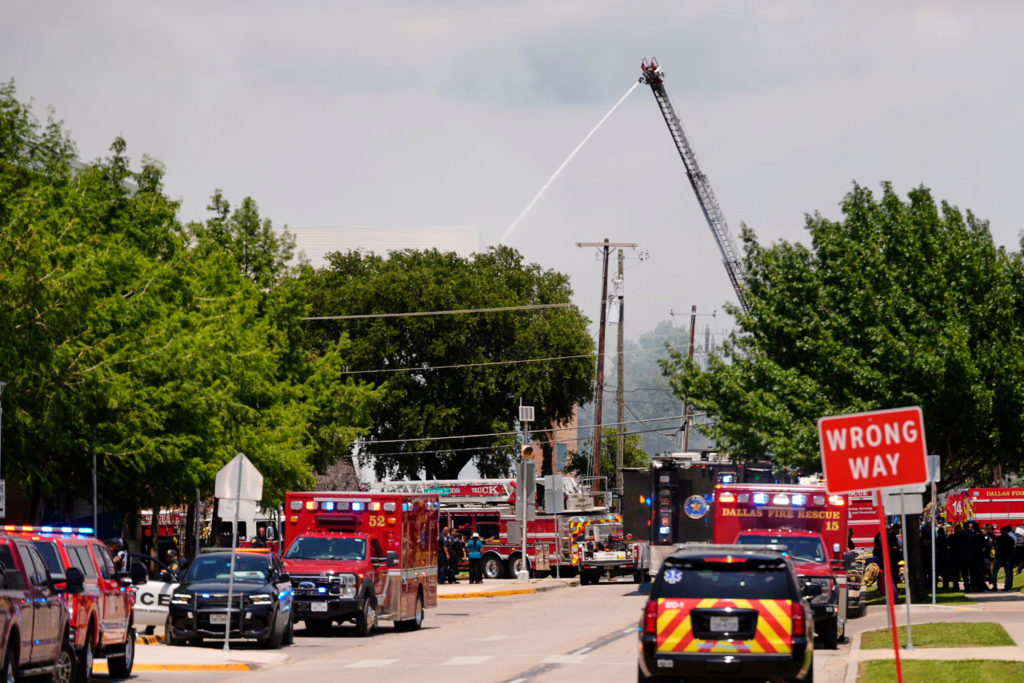
DALLAS — The explosion and subsequent fire that ripped through a two-story apartment complex in Dallas Thursday, resulting in fatalities and an ongoing search for the missing, serves as a stark reminder of the systemic vulnerabilities faced by residents of low-income housing. The incident, which shook nearby homes and scattered debris, demands a critical examination of housing standards, safety regulations, and the socio-economic factors that contribute to such tragedies.
While the cause of the explosion remains under investigation, the incident raises questions about the adequacy of inspections, maintenance, and safety measures in affordable housing complexes. Experts argue that underfunded and understaffed regulatory agencies often struggle to enforce compliance, leaving residents at risk.
"These tragedies are often preventable," says Maria Rodriguez, a housing advocate with the National Low Income Housing Coalition. "When profit motives are prioritized over the safety and well-being of residents, especially those in marginalized communities, the consequences can be devastating." Rodriguez emphasizes the need for increased investment in affordable housing infrastructure, stricter enforcement of building codes, and greater accountability for landlords.
The concentration of low-income residents in older, potentially substandard housing complexes further exacerbates the risks. Historical patterns of segregation and discriminatory housing policies have created pockets of poverty where residents often lack the resources to advocate for safer living conditions. This incident underscores the need for policies that promote fair housing and equitable access to resources.
The aftermath of the explosion has left many residents displaced and traumatized. Local community organizations are providing assistance with temporary housing, food, and counseling services. However, long-term solutions are needed to address the underlying issues of housing insecurity and economic inequality.
"We need to move beyond Band-Aid solutions and address the root causes of these problems," says David Miller, a social worker with a local non-profit. "This means investing in job training, education, and other programs that empower residents to improve their lives and advocate for their rights."
The investigation into the cause of the explosion must be transparent and thorough, with a focus on identifying any systemic failures that contributed to the tragedy. The findings should inform policy changes aimed at preventing similar incidents in the future. This includes strengthening building codes, increasing funding for housing inspections, and holding landlords accountable for maintaining safe living conditions.
The incident also highlights the importance of community resilience and mutual aid. Residents are coming together to support one another, sharing resources and offering emotional support. This spirit of solidarity is a testament to the strength and resilience of the community, even in the face of unimaginable loss.
The explosion in Dallas should serve as a wake-up call, prompting a national conversation about the need for safer, more affordable, and more equitable housing for all. It is a moral imperative to ensure that every resident has access to a safe and healthy place to call home.
The incident serves as a crucial moment to highlight the intersectionality of housing, poverty, and social justice. By addressing the systemic inequities that contribute to such tragedies, we can create a more just and equitable society for all.
The long-term impact on the community will depend on the collective efforts of residents, community organizations, and policymakers to address the underlying issues and create lasting change. The victims deserve justice, and the community deserves a future where such tragedies are prevented.
As the search for the missing continues, the focus remains on supporting the affected families and ensuring that they receive the resources and support they need to rebuild their lives. This tragedy underscores the importance of compassion, empathy, and a commitment to social justice.


