Dallas Apartment Fire Exposes Vulnerable Communities to Deadly Neglect
A fatal gas explosion and apartment fire in Dallas highlights the urgent need for investment in affordable housing infrastructure and safety regulations to protect marginalized residents.
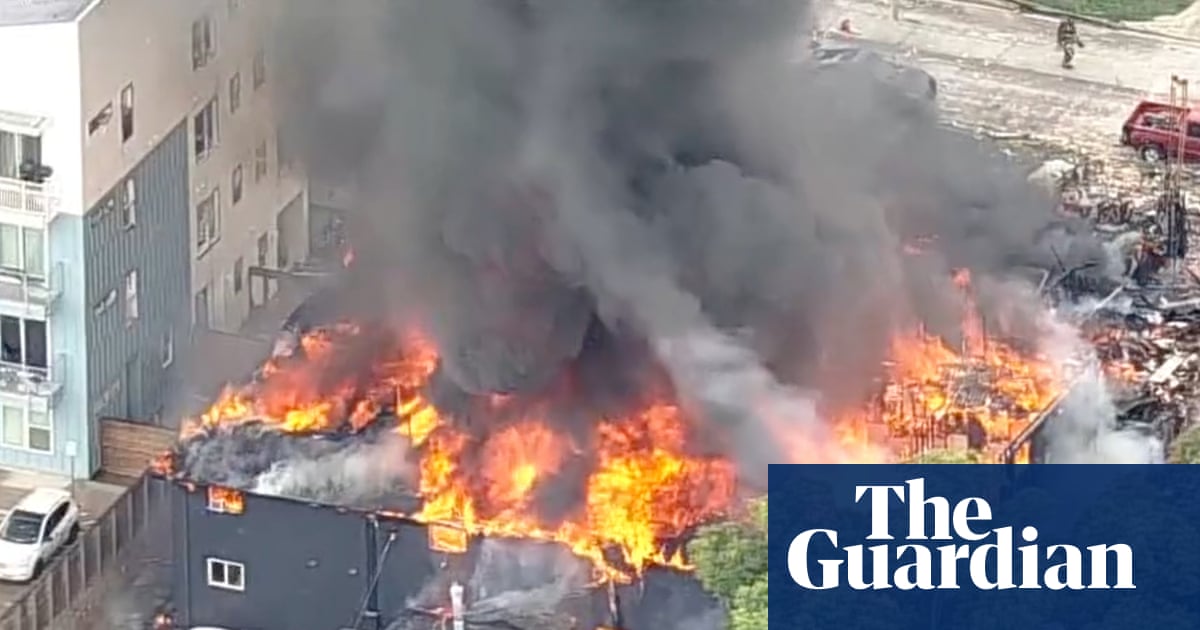
Dallas, TX – The devastating fire at a Dallas apartment complex, triggered by a natural gas explosion, has claimed the lives of two women and a child, underscoring the dangers faced by residents in under-resourced communities. The incident, confirmed by Dallas Fire Rescue Assistant Chief James Russ at a televised press conference, is a stark reminder of the systemic failures that disproportionately impact low-income families.
Aerial footage reveals the catastrophic aftermath, with the building reduced to rubble and smoke billowing into the sky, painting a grim picture of the disaster's scale. This tragedy demands immediate attention to the inadequate infrastructure and lax safety standards that contribute to such preventable losses.
The residents of the apartment complex likely represent a vulnerable population, facing economic hardship and limited housing options. These communities often bear the brunt of aging infrastructure and inadequate safety measures, making them susceptible to disasters like gas explosions and fires. The explosion points to a potential failure in the oversight and maintenance of gas lines within the apartment complex.
This tragedy underscores the critical need for proactive government intervention. Investing in the maintenance and upgrade of aging infrastructure in low-income communities is not just a matter of public safety; it's a matter of social justice. Furthermore, stricter enforcement of safety regulations in residential buildings is essential to prevent future disasters.
Beyond immediate relief efforts, long-term solutions are needed to address the underlying issues of housing affordability and infrastructure inequality. Policies that promote the development of safe, affordable housing and prioritize infrastructure investments in marginalized communities are crucial. Additionally, empowering residents through education and advocacy can ensure that their voices are heard and their needs are met.
This event is not an isolated incident. It's a symptom of a broader societal problem: the neglect of marginalized communities and the failure to prioritize their safety and well-being. Only through systemic change and a commitment to equity can we prevent future tragedies like the Dallas apartment fire.
Local officials offering condolences are simply not enough. We need concrete action. We need investigations into the regulatory failures, and we need a commitment from elected officials to prioritize the safety and well-being of all residents, regardless of their income or zip code.


