Dallas Explosion Exposes Vulnerabilities in Affordable Housing Safety
The Oak Cliff apartment explosion, injuring at least four, highlights the urgent need for investment in infrastructure and safety regulations to protect vulnerable communities.
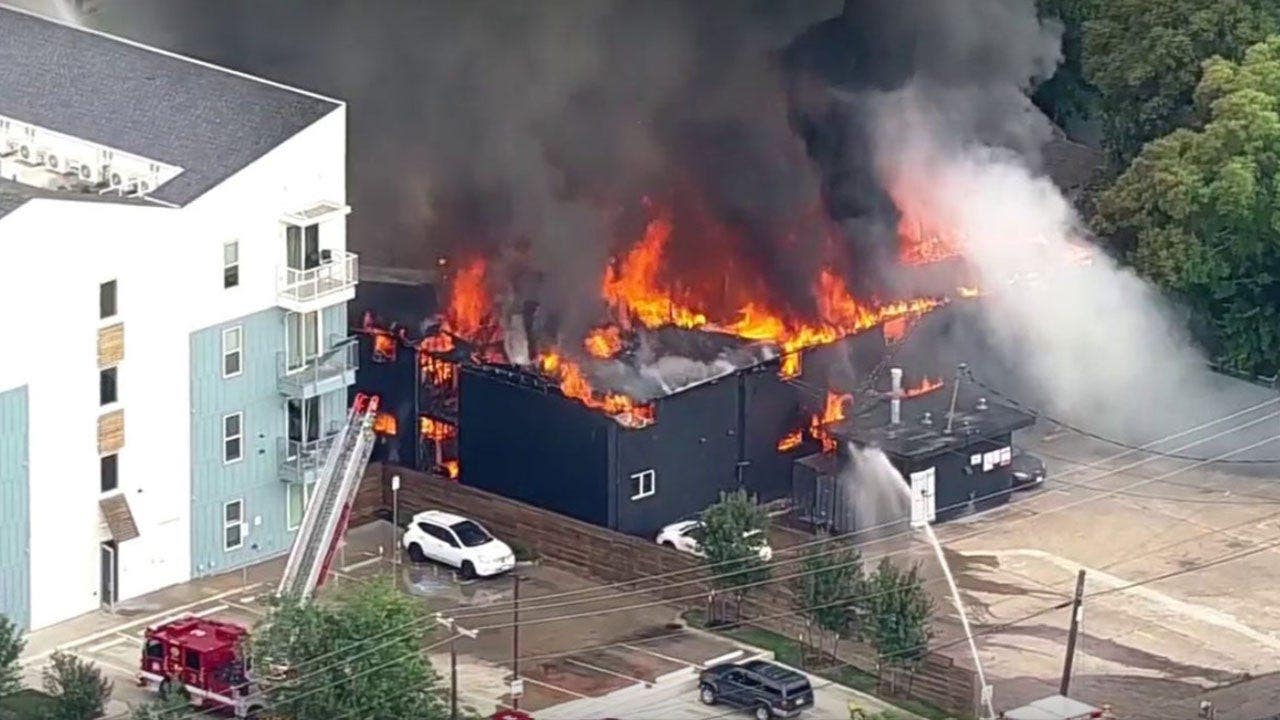
DALLAS – The explosion and subsequent fire at an apartment building in Dallas' Oak Cliff neighborhood, injuring at least four individuals, serves as a stark reminder of the systemic vulnerabilities facing residents in affordable housing.
The incident, reported around 1:20 p.m. at a two-story complex, underscores the potential consequences of neglected infrastructure and lax safety oversight, particularly in communities where resources are scarce.
While the exact cause of the explosion remains under investigation, initial reports of a possible gas leak raise critical questions about the maintenance and inspection standards in place for older apartment buildings, many of which house low-income families and individuals.
The rapid response of nearly 100 firefighters is commendable, but it also points to the scale of the disaster and the potential for far greater harm. The extent of the injuries sustained by the victims is still unclear, but the incident serves as a wake-up call for prioritizing tenant safety and well-being.
The incident has prompted calls for increased investment in affordable housing infrastructure, including upgrades to gas lines and electrical systems. Advocates argue that neglecting these essential services disproportionately impacts vulnerable populations, perpetuating cycles of poverty and inequality.
Dallas Mayor Eric Johnson's call for prayers, while well-intentioned, is insufficient to address the root causes of the problem. Meaningful action requires a commitment to funding preventative measures, enforcing stricter safety regulations, and holding landlords accountable for maintaining safe and habitable living conditions.
This tragedy echoes similar incidents across the country, where aging infrastructure and inadequate oversight have led to devastating consequences for marginalized communities. From Flint, Michigan, to the Bronx, New York, the pattern is clear: systemic neglect puts lives at risk.
The Oak Cliff explosion should serve as a catalyst for change. It's time for policymakers to prioritize the safety and well-being of all residents, regardless of income or zip code. This requires a comprehensive approach that includes increased funding for affordable housing, stricter enforcement of safety regulations, and a commitment to environmental justice.
Beyond infrastructure, access to affordable housing itself is a critical issue. The lack of safe, affordable housing options forces many families to live in substandard conditions, making them more vulnerable to disasters like this one.
This incident also highlights the need for better communication and coordination between city agencies, landlords, and tenants. Residents need to be informed of their rights and empowered to advocate for safe living conditions.
The explosion in Oak Cliff is not just a local tragedy; it's a symptom of a broader societal problem. Addressing this problem requires a fundamental shift in priorities, with a greater emphasis on equity, justice, and the well-being of all members of our community.


