Damaged US Radar Jet in Saudi Arabia Highlights Risks of Military Presence, Regional Instability
Destruction of an E-3 Sentry aircraft raises concerns about the human cost of ongoing military operations and the impact of regional conflicts on US personnel.
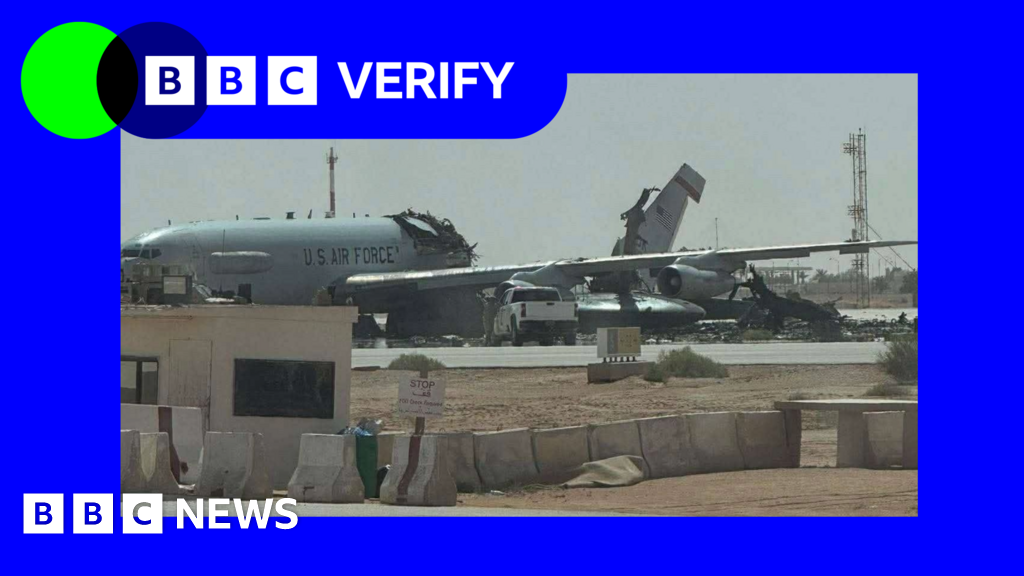
The heavily damaged US E-3 Sentry aircraft at Prince Sultan Air Base in Saudi Arabia serves as a stark reminder of the human and material costs of maintaining a large military presence in the region. The incident underscores the need for a reevaluation of US foreign policy and a shift towards diplomatic solutions in the Middle East.
The confirmed photographs of the destroyed aircraft, verified by the BBC, paint a grim picture of the vulnerability of US assets in the face of escalating regional tensions. While the US Central Command has remained silent, the reported injuries of twelve US personnel, two seriously, highlight the very real risks faced by those serving in these volatile environments.
The claim by Iran's IRGC-linked Fars news agency that a Shahed drone struck the E-3 aircraft further complicates the narrative and points to the dangerous proliferation of advanced weaponry in the region. This incident raises serious questions about the effectiveness of current security measures and the potential for future escalations.
The E-3 Sentry, a critical component of US air operations, provides early warning and control capabilities. Its potential loss represents a significant setback for US military readiness. However, more importantly, it represents another cost in an ongoing series of conflicts that continue to threaten global security.
The US official's report to Reuters indicates that an Iranian military attack on the air base wounded personnel. The Wall Street Journal's report adds to that Iranian military attack, stating that two US refueling aircraft were damaged. These figures should prompt serious reflection on the long-term consequences of military interventionism and the ethical implications of deploying personnel to conflict zones.
Beyond the immediate damage, the incident serves as a microcosm of the broader systemic issues plaguing the region. Decades of US foreign policy, characterized by military intervention and unwavering support for autocratic regimes, have contributed to the instability that now threatens the safety of US personnel and assets.
A shift towards a more progressive foreign policy is urgently needed. This includes prioritizing diplomatic engagement, promoting human rights and democracy, and addressing the root causes of conflict, such as poverty, inequality, and political marginalization. Investing in sustainable development and empowering local communities are essential steps towards building lasting peace and stability.
The incident at Prince Sultan Air Base should serve as a wake-up call. It is time to move beyond short-sighted military solutions and embrace a more comprehensive and compassionate approach to foreign policy that prioritizes the well-being of all people, including our service members.