Dark Money Assault: Dem Candidate Targeted by Smear Campaign; Trump's Iran Rhetoric Raises Alarms
Progressives decry coordinated attack on Democratic candidate as Trump escalates tensions in the Middle East.
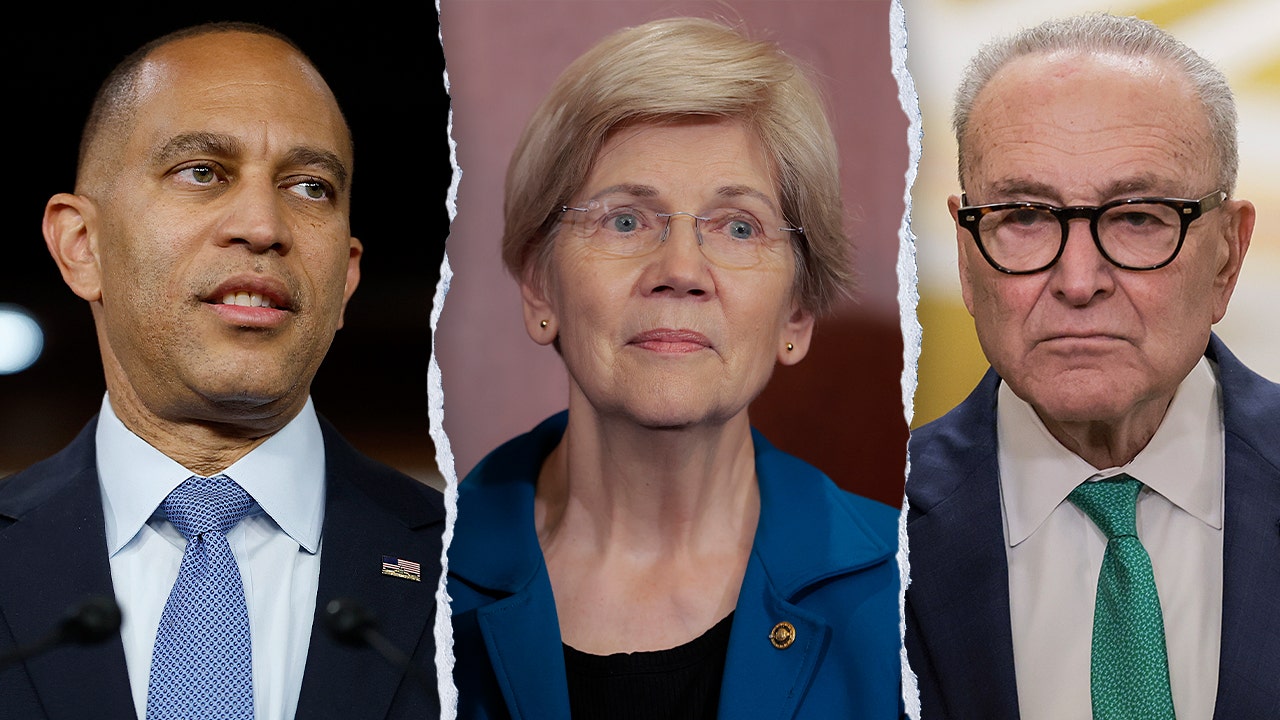
A Democratic candidate is under siege by a staggering $4 million in attack ads, funded by undisclosed sources and designed to exploit purported 'obscene history.' The onslaught raises serious questions about the role of dark money in influencing elections and the ethical implications of dredging up potentially irrelevant personal matters. This type of attack strategy is a common tactic used to distract from substantive policy debates and sway voters with misinformation and fear-mongering. The lack of transparency surrounding the funding of these ads underscores the urgent need for campaign finance reform to ensure fair and equitable elections. Advocates for campaign finance reform argue that unlimited spending allows wealthy donors to drown out the voices of ordinary citizens and distort the political process. This attack is seen by many as a prime example of how special interests can manipulate public opinion through massive advertising campaigns. The focus on personal attacks rather than policy further erodes public trust in the political system. This represents a troubling trend that demands greater scrutiny and accountability.
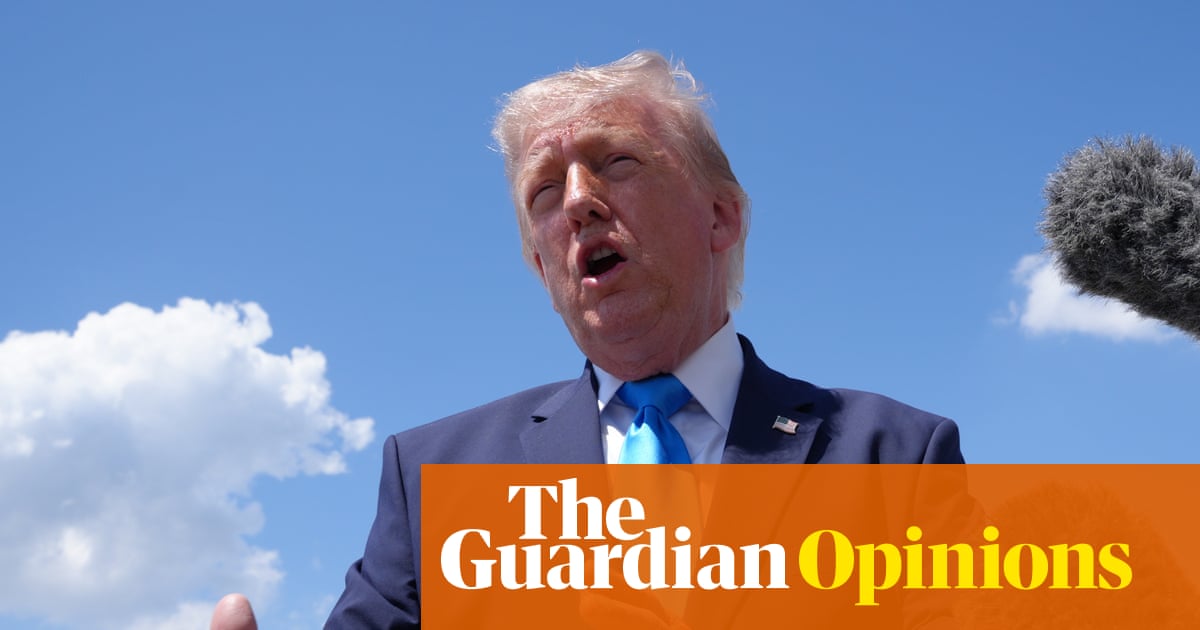
Meanwhile, former President Donald Trump's saber-rattling rhetoric regarding Iran's nuclear ambitions is causing consternation among progressive foreign policy analysts. His pronouncements, threatening unspecified consequences if Iran withdraws from the nuclear deal, risk escalating tensions in an already volatile region. The original JCPOA, negotiated by the Obama administration, was designed to prevent Iran from developing nuclear weapons through rigorous monitoring and verification. Trump's decision to unilaterally withdraw from the agreement in 2018 has been widely criticized as a reckless move that undermined international security. Now, his continued hawkish stance further jeopardizes the possibility of a diplomatic resolution and increases the risk of military conflict. The potential ramifications of a military confrontation with Iran are dire, including widespread regional instability and a humanitarian crisis. Progressive voices are calling for a return to diplomacy and a renewed commitment to the JCPOA as the best path to de-escalation and lasting peace. The international community must work together to prevent a disastrous war in the Middle East.
In other developments, news regarding Vannesa Trump's health is a reminder of the personal challenges faced by individuals regardless of their public profile. It is imperative to remember the human aspect behind political figures and their families, particularly when dealing with sensitive health matters.
Elsewhere, the indictment of Raul Castro on charges of murder and conspiracy highlights the ongoing complexities of U.S.-Cuba relations. While accountability for human rights violations is crucial, a balanced approach that prioritizes dialogue and engagement is essential for fostering positive change in Cuba. The Senate's bipartisan effort to prevent future government shutdowns offers a glimmer of hope for greater political stability, but fundamental divisions remain on key policy issues. The struggles at The Washington Post point to the broader challenges facing traditional media in the digital age, underscoring the need for innovative business models to sustain quality journalism.