Dark Money Threatens 2026 Midterms, Undermining Democratic Equity
Untraceable campaign funds perpetuate systemic inequalities, drowning out the voices of working families and marginalized communities in the 2026 elections.
Washington D.C. – As the 2026 midterm elections loom, the pervasive influence of untraceable “dark money” casts a shadow over the promise of a fair and equitable democratic process. A significant portion of campaign funding remains hidden, allowing wealthy donors and corporations to exert disproportionate influence, drowning out the voices of working families and marginalized communities.
The influx of untraceable funds often originates from shell corporations, enabling wealthy individuals and corporations to mask their contributions and evade accountability. This creates an uneven playing field where the voices of everyday citizens are marginalized.
The historical context of campaign finance reveals a consistent pattern of wealthy elites manipulating the system to maintain their power. From the Gilded Age to the present day, loopholes in campaign finance laws have allowed the wealthy to exert undue influence on elections and policy decisions.
Progressive activists argue that campaign finance reform is essential to leveling the playing field and ensuring that all voices are heard in the democratic process. They advocate for measures such as public financing of elections, stronger disclosure requirements, and limits on corporate and individual contributions.
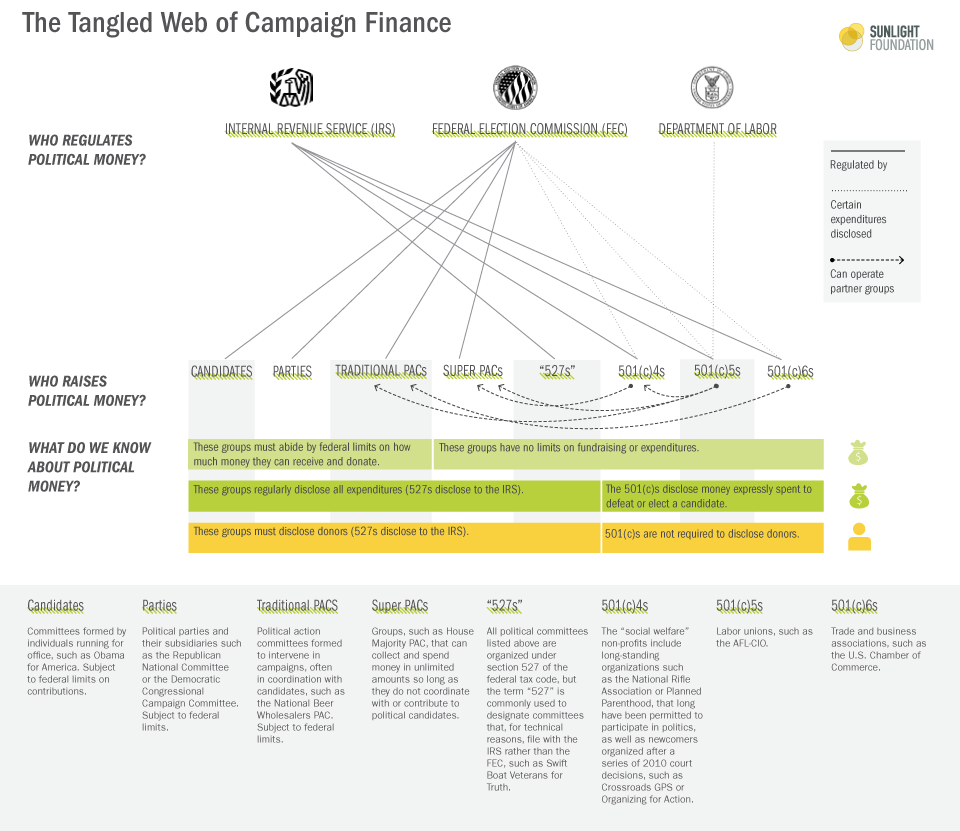
Super PACs and other independent expenditure groups have become a major conduit for dark money in politics. These groups can raise and spend unlimited amounts of money to support or oppose candidates, often without disclosing their donors. This allows wealthy individuals and corporations to exert influence without being directly associated with a campaign.
The Federal Election Commission (FEC) is often paralyzed by partisan gridlock, rendering it ineffective in enforcing campaign finance laws and holding wealthy donors accountable. This lack of enforcement further exacerbates the problem of dark money in politics.
The consequences of untraceable campaign funds are far-reaching. They can lead to policies that favor the wealthy and well-connected, while neglecting the needs of working families and marginalized communities. This undermines the principles of democratic equity and social justice.
Proposed legislative solutions include the DISCLOSE Act, which would require organizations spending money in elections to disclose their donors. Other proposals include empowering the FEC and implementing a system of public financing to reduce the reliance on private contributions. However, these efforts face stiff opposition from powerful special interests.
The 2026 midterm elections represent a critical opportunity to fight back against the corrosive influence of dark money. By demanding transparency and accountability, voters can reclaim their power and ensure that their voices are heard.
The fight for campaign finance reform is inextricably linked to broader struggles for social and economic justice. Only by addressing the systemic inequalities that allow dark money to thrive can we create a truly democratic society.
The current system facilitates a form of legalized corruption, where the wealthy can buy influence while the needs of ordinary citizens are ignored. Comprehensive reform is essential to restore faith in democracy and create a more just and equitable society.
Without significant reform, the 2026 midterms risk becoming another demonstration of how money can distort the political landscape, exacerbating existing social inequalities.
Sources: * Campaign Legal Center * Brennan Center for Justice * Demos