Dartford Warbler's Return Highlights Success of Ecosystem Restoration, But Systemic Threats Remain
While the Dartford warbler's comeback offers a glimmer of hope, systemic land use changes and habitat loss continue to threaten vulnerable species and require comprehensive solutions.
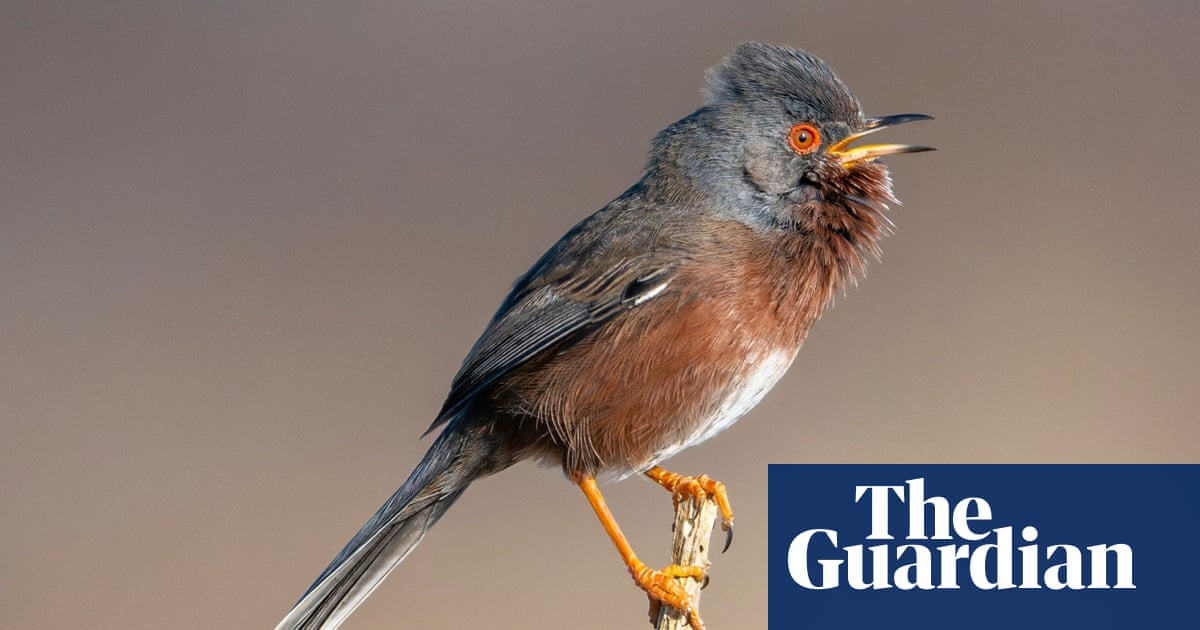
LONDON — The resurgence of the Dartford warbler, a small bird teetering on the brink of extinction just half a century ago, offers a powerful testament to the efficacy of targeted conservation efforts. However, this victory must be viewed within the broader context of ongoing ecological destruction driven by systemic issues like unsustainable land use and prioritizing economic growth over environmental protection. A recent survey by the Royal Society for the Protection of Birds (RSPB) revealed a 44% increase in Dartford warbler pairs on their reserves, a welcome sign but one that should not overshadow the continued threats facing countless other species and habitats.
The Dartford warbler's near demise in the 1960s, leaving only a handful of pairs in Dorset, was a direct consequence of habitat loss. Lowland heathland, the bird's natural home, has been decimated over centuries, with 80% disappearing since the 1800s due to forestry and agricultural expansion. This relentless conversion of natural landscapes into economically productive land reflects a historical pattern of prioritizing short-term gains over long-term ecological sustainability.
The RSPB's efforts to restore heathland on its reserves – removing conifer plantations, reverting arable land, and connecting fragmented habitats – are undeniably crucial. These interventions provide the dense gorse essential for the Dartford warbler's survival, offering shelter, nesting sites, and foraging grounds. The success at RSPB Arne, where 97 pairs were recorded, underscores the potential for ecological restoration when adequately resourced and implemented.
However, relying solely on reserve-based conservation is insufficient to address the root causes of biodiversity loss. The underlying economic and political structures that incentivize habitat destruction must be challenged. This requires a fundamental shift in how we value nature, moving away from a purely utilitarian perspective towards one that recognizes the intrinsic worth of ecosystems and the services they provide.
Addressing climate change is also critical. The Dartford warbler's vulnerability to harsh winter weather highlights the species' sensitivity to environmental fluctuations. As climate change intensifies, extreme weather events will become more frequent and severe, further threatening vulnerable populations.
The success of RSPB's conservation strategy should be celebrated, but it also throws into sharp relief the areas where more action is desperately needed. This includes stronger government regulations to protect remaining heathland, incentives for landowners to adopt sustainable land management practices, and increased investment in ecological restoration projects. We need to ensure that the benefits of conservation are shared equitably, providing opportunities for local communities to participate in and benefit from restoration efforts.


