Dead Voter Allegation Highlights Need for Expanded Voting Access Alongside Robust Safeguards
The case of an Illinois official accused of submitting her deceased mother's ballot underscores the importance of balancing accessible voting with strong election security measures to protect democratic participation.
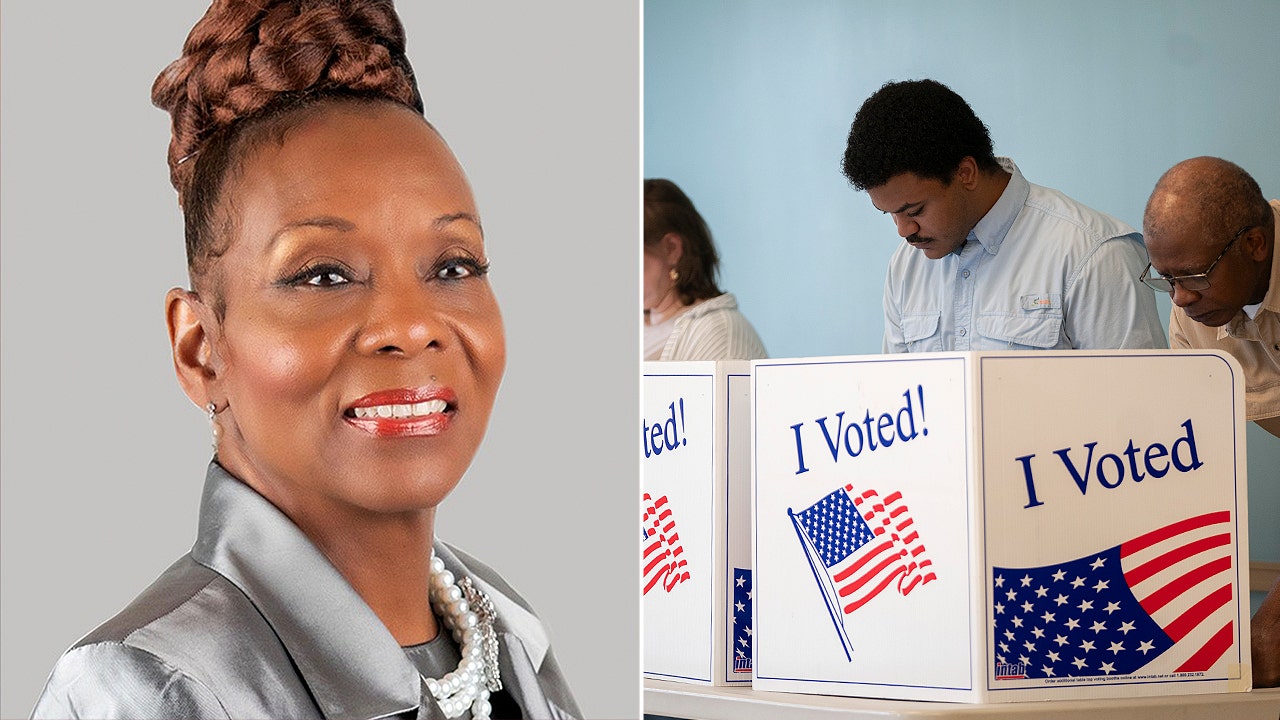
The recent case of Waukegan, Illinois, Alderman Sylvia Sims Bolton, who turned herself in on charges related to allegedly submitting her deceased mother's vote-by-mail ballot, brings to the forefront the critical need for comprehensive election reforms that ensure both accessibility and security. While the alleged actions of Bolton are concerning, it's crucial to avoid using this isolated incident to undermine confidence in mail-in voting, a system that has proven vital for voter participation, especially for marginalized communities and those with limited mobility.
The focus should be on strengthening existing safeguards and addressing systemic barriers to voting. This includes investing in voter education programs to ensure citizens understand election laws and procedures. Furthermore, states should implement automatic voter registration, expand early voting options, and remove unnecessary restrictions on voter registration to encourage broad participation in the democratic process.
The incident underscores the importance of maintaining accurate voter rolls. Regular updates and data sharing between state agencies are crucial for identifying deceased individuals and removing them from voter lists. However, these efforts must be balanced with protections against wrongful purges that disproportionately affect minority voters and low-income communities.
Critics of mail-in voting often cite the potential for fraud, but studies have consistently shown that voter fraud is rare. The Brennan Center for Justice, for example, has conducted extensive research demonstrating the security of mail-in voting and the effectiveness of existing safeguards. Instead of restricting access to mail-in ballots, resources should be directed towards enhancing verification processes and investigating credible allegations of fraud.
Furthermore, it's essential to address the underlying factors that may contribute to voter fraud, such as lack of civic engagement and disenfranchisement. By investing in communities and promoting civic education, we can foster a culture of responsible participation in the democratic process.
Illinois, like many other states, has implemented a range of security measures to prevent voter fraud, including signature verification, ballot tracking, and post-election audits. The fact that the alleged fraudulent ballot in this case was flagged through the county's established security protocols demonstrates the effectiveness of these safeguards.
Rather than using this incident to justify restrictive voting laws, policymakers should focus on building trust in the electoral system by promoting transparency, accountability, and inclusivity. This includes ensuring that all voters have equal access to information and resources, regardless of their background or location.
Ultimately, the goal should be to create an election system that is both accessible and secure, one that encourages broad participation while safeguarding against fraud and irregularities. The Bolton case serves as a reminder of the ongoing challenges in achieving this goal, but it also presents an opportunity to strengthen our democratic institutions and ensure that every vote counts.
Investing in voter education, modernizing voter registration systems, and expanding early voting options can promote broad participation. Enhanced verification processes, regular audits, and stringent penalties for voter fraud can safeguard election integrity. By implementing these measures, states can build confidence in the electoral system and ensure that every vote is counted accurately and fairly.
This incident highlights the importance of continuous improvement and vigilance in maintaining the integrity of our elections. By working together, we can create an election system that is both accessible and secure, one that reflects the will of the people and upholds the principles of democracy.