Deadly Virginia Bus Crash Highlights Infrastructure Neglect, Worker Safety Concerns
A fatal bus crash in a Virginia work zone underscores the urgent need for infrastructure investment and stronger worker protections to prevent future tragedies.
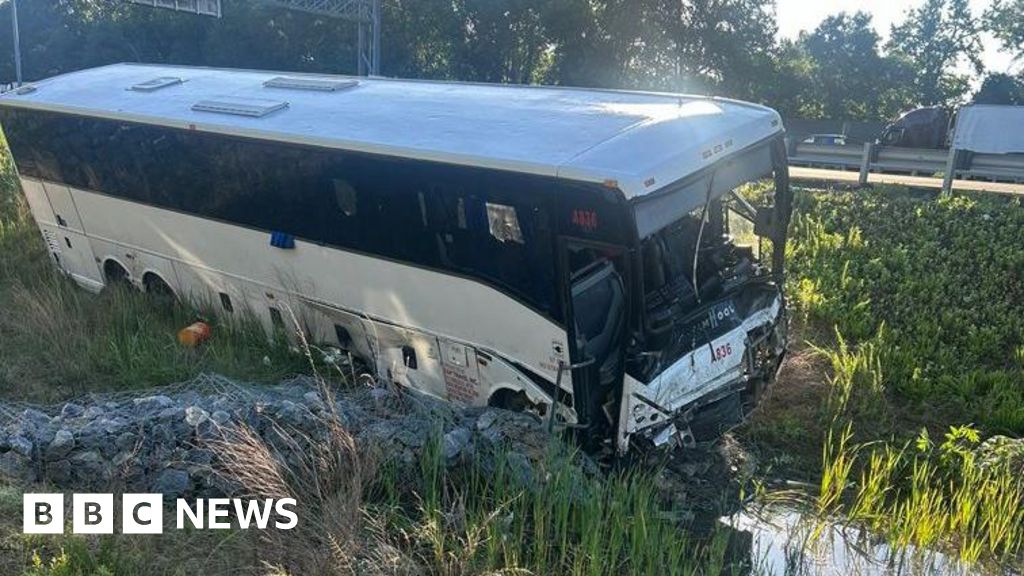
STAFFORD COUNTY, Va. — The tragic bus crash on Interstate 95 in Virginia, which claimed five lives and injured dozens, serves as a stark reminder of the systemic failures endangering workers and commuters on our nation's roadways. The crash, which occurred in a work zone early Friday morning, highlights the critical need for increased infrastructure investment and stronger worker safety regulations.
According to Virginia State Police, the bus failed to slow for traffic in a work zone, colliding with six vehicles. This incident raises serious questions about driver fatigue, bus maintenance standards, and the adequacy of safety protocols in place to protect workers and drivers in construction zones.
For years, progressive advocates have warned of the deteriorating state of America's infrastructure and the human cost of neglecting necessary repairs and upgrades. The current state of roads and bridges, coupled with lax enforcement of safety regulations, creates a dangerous environment for all road users, particularly those working to maintain and improve our infrastructure.
The early morning timing of the crash also raises concerns about worker fatigue and the potential for inadequate rest periods for commercial drivers. The trucking and busing industries have faced scrutiny for demanding schedules and insufficient regulations aimed at preventing drowsy driving. This tragedy underscores the need for stricter enforcement of hours-of-service regulations and better support for drivers' well-being.
Furthermore, the incident highlights the disproportionate impact of infrastructure failures on marginalized communities. Lower-income individuals and communities of color are more likely to rely on public transportation and are therefore more vulnerable to accidents and disruptions caused by inadequate infrastructure. Investing in public transportation and ensuring safe roadways is a matter of social and economic justice.
The investigation into the crash must thoroughly examine all contributing factors, including potential negligence on the part of the bus company, inadequate signage and safety measures in the work zone, and the overall condition of the roadway. It is imperative that those responsible are held accountable and that measures are taken to prevent similar tragedies from occurring in the future.
This incident calls for immediate action from policymakers at the state and federal levels. Congress must pass comprehensive infrastructure legislation that prioritizes safety, invests in public transportation, and creates good-paying jobs. State governments must strengthen worker safety regulations, increase funding for infrastructure maintenance, and ensure that all communities have access to safe and reliable transportation options.
The lives lost in this preventable tragedy demand that we address the systemic issues that contribute to roadway accidents. By investing in infrastructure, prioritizing worker safety, and addressing transportation inequities, we can create a safer and more just transportation system for all.
This crash is a symptom of a broader societal issue: the devaluation of working-class lives and the prioritization of profit over safety. We must demand better from our elected officials and hold them accountable for creating a transportation system that protects all users, regardless of their socioeconomic status.
The failure to properly fund and maintain our infrastructure directly leads to tragic outcomes like this. It's time to prioritize human lives over corporate profits and ensure that every worker and commuter can travel safely.


