Deadly Virginia Bus Crash Highlights Need for Stricter Transportation Regulations
The tragic I-95 collision exposes systemic failures in ensuring driver safety and protecting vulnerable road users in work zones.
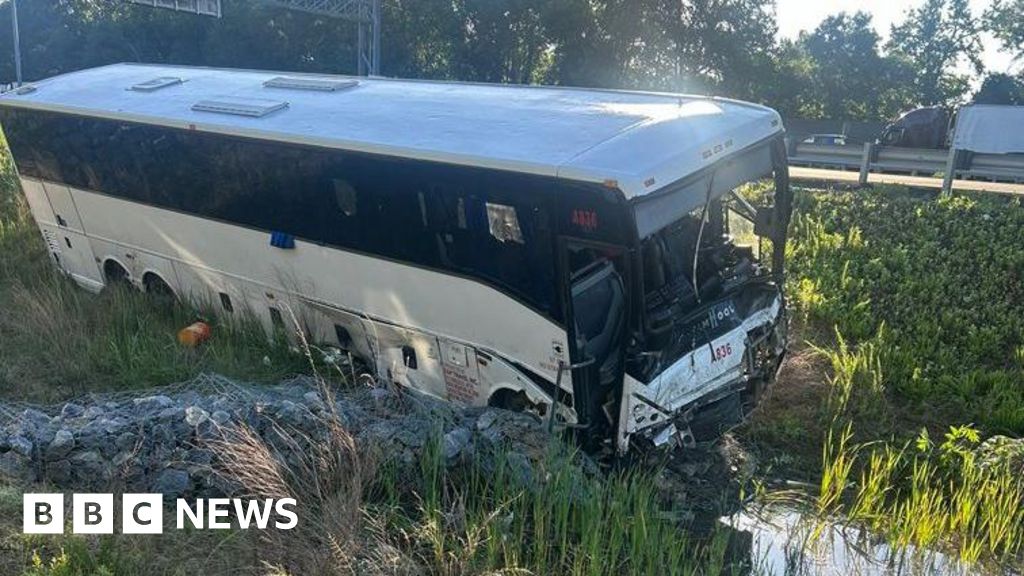
The recent fatal bus crash on Interstate 95 in Virginia, resulting in five deaths and numerous injuries, underscores the urgent need for stricter regulations and enhanced enforcement to protect drivers and passengers, particularly in hazardous work zones. The arrest of bus driver Jing S Dong on involuntary manslaughter charges should be a catalyst for systemic reform, holding transportation companies accountable for prioritizing profits over safety.
The incident, which occurred when Dong allegedly failed to slow for traffic and struck a Chevrolet Suburban, igniting a chain-reaction crash involving at least eight vehicles, reveals a potential pattern of negligence. Prosecutor Eric Olsen's assertion that Dong was driving in a "criminally negligent manner" raises serious questions about the training, oversight, and safety culture within E&P Travel, the bus operator.
The fact that the tour bus was reportedly traveling at a high rate of speed through a work zone suggests a blatant disregard for posted speed limits and traffic control measures. This not only endangered the lives of the bus passengers but also placed other drivers and construction workers at risk. It is essential to investigate whether Dong was adequately trained on safe driving practices in work zones and whether E&P Travel enforced policies to prevent speeding and distracted driving.
The tragic loss of life, including Dmitri Doncev, his wife Ecaterina, their daughter Emily, and their son Mark, who were traveling to a wedding, and Priscilla Mafalda, a young woman in the Suburban, is a devastating reminder of the human cost of transportation failures. These victims represent families and communities shattered by preventable accidents. The families of the deceased and the injured deserve justice and full compensation for their losses.
The vulnerability of working people, particularly those in construction zones, is a critical issue. These individuals often face hazardous conditions with limited protection, relying on drivers to exercise caution and follow traffic laws. When drivers and companies fail to prioritize safety, the consequences can be deadly.
Involuntary manslaughter charges, while appropriate in this case, are not enough. There must be a comprehensive investigation into E&P Travel's safety record, hiring practices, and oversight mechanisms. Regulatory agencies must hold transportation companies accountable for any deficiencies that contributed to the crash.
Furthermore, the Virginia Department of Transportation (VDOT) should review its work zone safety protocols to identify areas for improvement. This includes ensuring adequate signage, implementing speed reduction measures, and increasing law enforcement presence in construction areas. Automated speed enforcement, such as speed cameras, could be a valuable tool for deterring speeding and reducing crashes.
Federal regulations governing the bus and trucking industries must also be strengthened to address issues such as driver fatigue, hours of service, and vehicle maintenance. The current regulatory framework often places undue pressure on drivers to meet unrealistic schedules, leading to fatigue and increased risk-taking.
Ultimately, preventing future tragedies requires a fundamental shift in priorities. We must prioritize human lives over profits, invest in safe infrastructure, and hold transportation companies accountable for their actions. The I-95 crash should serve as a wake-up call, prompting meaningful reforms to protect all road users.
The incident highlights the societal impact of prioritizing speed and efficiency over safety, especially within industries that affect public safety. Transportation regulations must be continuously evaluated and updated to reflect the evolving demands of modern roadways and the safety of all individuals, from drivers to construction workers and the passengers they carry. This includes investing in infrastructure improvements, technology upgrades, and rigorous training programs.
Moreover, this incident exposes the potential for systemic issues within the transportation industry, particularly regarding the treatment of drivers and the emphasis on maximizing profit margins. Ensuring fair wages, reasonable working hours, and adequate rest periods for drivers are essential to promoting safety and preventing future accidents. By addressing these underlying issues, we can create a more equitable and safe transportation system for everyone.
The pursuit of justice for the victims and their families necessitates a thorough and transparent investigation, not only into the immediate circumstances of the crash but also into the broader context of transportation regulations and industry practices. It is imperative to learn from this tragedy and implement comprehensive reforms to prevent similar incidents from occurring in the future, safeguarding the lives and well-being of all road users.