Deadly Virginia Bus Crash Highlights Systemic Failures in Driver Licensing and Language Access
Fatal accident exposes potential loopholes and inequities in commercial driver regulations and raises questions about language accessibility for immigrant workers.
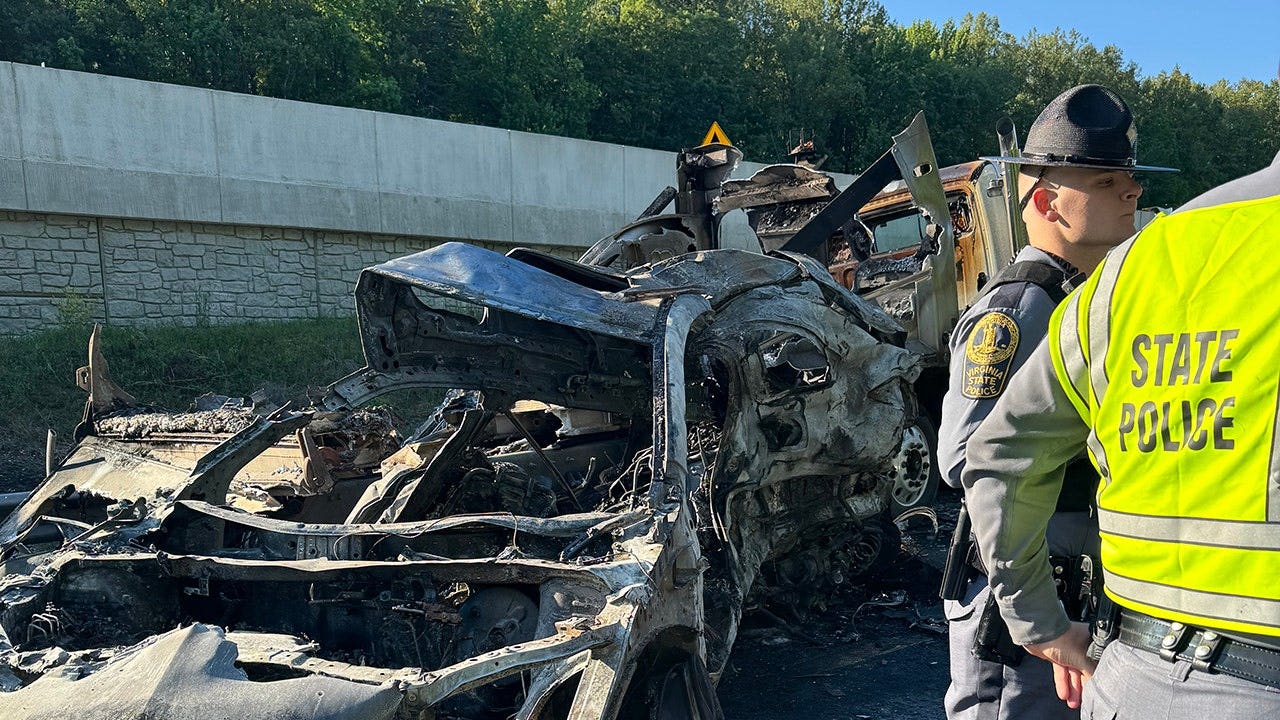
STAFFORD COUNTY, Va. – The tragic bus crash in Stafford County, Virginia, that claimed five lives and injured dozens more has ignited a critical conversation about systemic failures in commercial driver licensing and the potential for discrimination within those systems. The incident, which occurred when an E&P Travel bus traveling from New York to North Carolina collided with several cars on Interstate 95, has brought renewed scrutiny to language access for immigrant workers and the safety implications of inadequate training and oversight.
According to the Virginia State Police, the bus driver, Jing S. Dong, allegedly failed to slow down in a work zone, resulting in the devastating multi-vehicle collision. Among the deceased were a 13-year-old girl, a 7-year-old boy, a 45-year-old man, and a 44-year-old woman from Massachusetts, as well as a 25-year-old woman in the car immediately in front of the bus. Forty-four other individuals were injured and transported to hospitals.
U.S. Transportation Secretary Sean Duffy's statement that the driver does not speak English has drawn sharp criticism from immigrant advocacy groups, who argue that while safety is paramount, the focus should be on comprehensive training programs and language support, rather than outright exclusion. They contend that blanket requirements for English proficiency can disproportionately affect qualified immigrant drivers and create barriers to employment.
While federal law requires commercial drivers to possess sufficient English language skills to perform their duties safely, critics argue that the enforcement of this law may not be equitable or effective. They point to potential disparities in testing procedures and the lack of adequate resources for language training and support for non-native English speakers.
Furthermore, the incident highlights the potential exploitation of immigrant workers within the transportation industry. Many immigrant drivers face pressure to work long hours and under unsafe conditions, often without adequate training or support. This vulnerability can be exacerbated by language barriers, making it difficult for drivers to advocate for their rights and report safety concerns.
The Department of Transportation’s investigation into New York’s licensing records, training documentation, and the driver's history must also consider the socioeconomic factors that may have contributed to the accident. A thorough examination should include an assessment of the working conditions and support systems available to commercial drivers, particularly those who are immigrants or non-native English speakers.
The incident in Virginia mirrors similar concerns in Florida, where new English proficiency requirements for driving exams were implemented following a deadly crash involving an undocumented immigrant. Such measures, while ostensibly aimed at improving safety, risk further marginalizing immigrant communities and perpetuating discriminatory practices.
Progressive policymakers and advocates are calling for a more holistic approach to transportation safety that addresses systemic issues such as inadequate funding for driver training programs, lax enforcement of safety regulations, and the exploitation of vulnerable workers. They emphasize the need for culturally sensitive training materials and language support services to ensure that all drivers have the opportunity to succeed.
Ultimately, ensuring road safety requires a comprehensive strategy that prioritizes both linguistic accessibility and robust worker protections. By investing in comprehensive training programs, language support services, and equitable enforcement mechanisms, we can create a transportation system that is both safe and inclusive for all.
The National Transportation Safety Board's (NTSB) parallel investigation should prioritize investigation of systematic inequalities in the transportation industry to ensure events like this one do not occur due to unequal access to resources.
The tragedy in Virginia serves as a stark reminder of the need to address systemic inequities and prioritize worker protections within the transportation industry. By adopting a more holistic and inclusive approach to safety, we can prevent future tragedies and create a transportation system that is both safe and equitable for all.