Death of Education Influencer Exposes Brutal Inequities of China's Exam System
The grief over Zhang Xuefeng's passing reveals deep-seated anxieties about a system that perpetuates inequality and burdens students with immense pressure.
Beijing - The recent death of Zhang Xuefeng, a prominent education influencer in China, has ignited a wave of mourning that transcends personal loss. It serves as a collective lament for the crushing pressures and systemic inequalities embedded within the nation's higher education system.
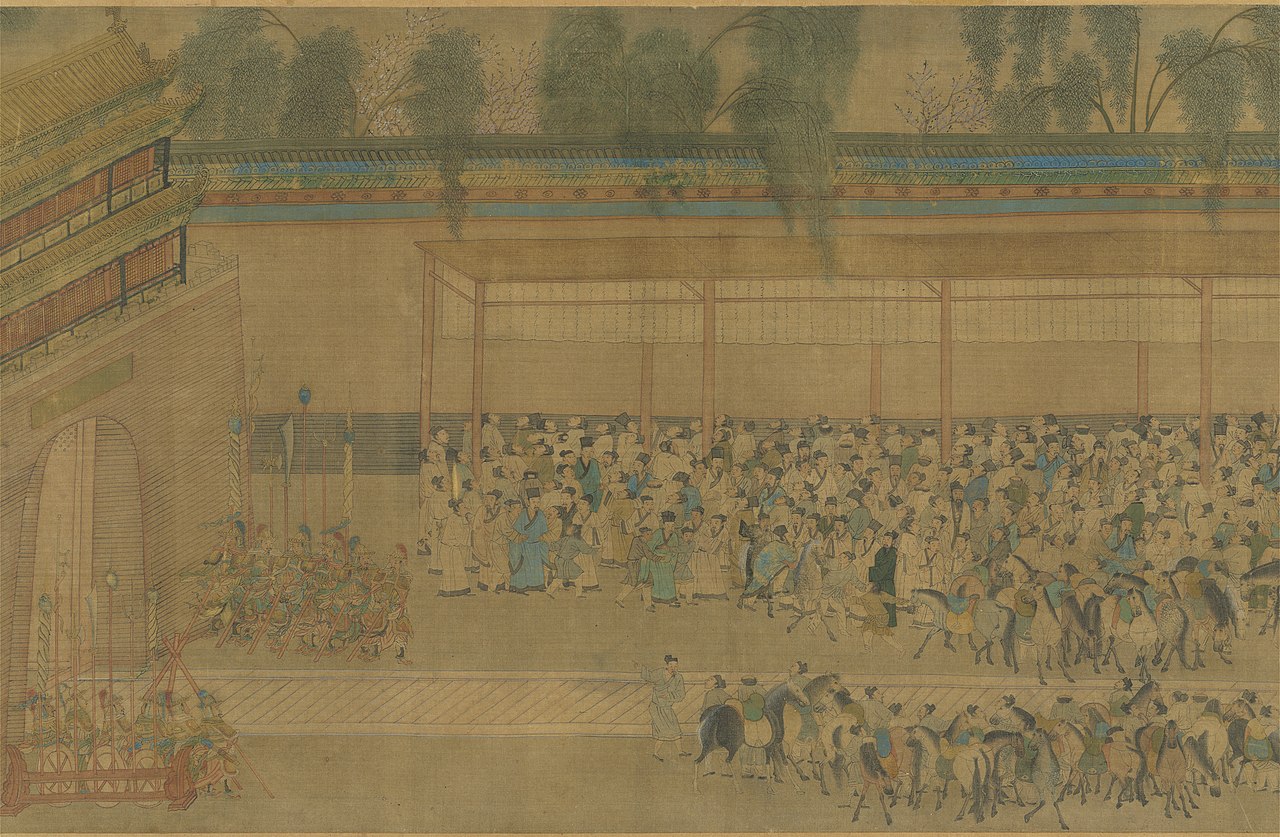
Zhang Xuefeng rose to prominence by guiding students through the labyrinthine process of the Gaokao, China's notoriously competitive national college entrance exam. This exam, a high-stakes gatekeeper to higher education, largely dictates a student's future prospects. The Gaokao's inherent inequalities are stark, favoring students from affluent backgrounds with access to superior resources and tutoring, while disadvantaging those from rural or working-class families.
The pressure on students to succeed in the Gaokao is immense, leading to widespread anxiety, stress, and even mental health crises. Students often spend years in relentless preparation, sacrificing their personal lives and well-being in pursuit of a coveted university spot. The system prioritizes rote memorization and test-taking skills over critical thinking and creativity, stifling intellectual curiosity and hindering holistic development.
Zhang Xuefeng's work, while intended to help students navigate this challenging system, also inadvertently highlighted its flaws. His advice, though valuable, often focused on strategies to game the system rather than addressing its underlying issues. The outpouring of grief following his death reveals a growing recognition that the Gaokao perpetuates a cycle of inequality, where privilege begets privilege and disadvantage is reinforced.
The public's response to Zhang Xuefeng's death underscores the urgent need for systemic reform. The current education system fails to provide equal opportunities for all students, exacerbating existing social and economic disparities. A truly equitable system would prioritize access to quality education for all, regardless of socioeconomic background or geographic location.
Reform efforts must address the root causes of inequality, including unequal funding for schools in different regions, disparities in teacher quality, and the lack of access to resources for disadvantaged students. Furthermore, the Gaokao itself needs to be re-evaluated to reduce its reliance on rote memorization and promote a more holistic assessment of student potential.
Beyond the Gaokao, the education system should foster critical thinking, creativity, and social-emotional learning. Students should be encouraged to pursue their passions and develop their unique talents, rather than being forced into a narrow mold of academic achievement. Mental health support should be readily available to all students, and the stigma surrounding mental health issues should be eradicated.
The government has a responsibility to ensure that all students have the opportunity to succeed, regardless of their background. This requires a commitment to equitable funding, comprehensive support services, and a curriculum that promotes holistic development. The death of Zhang Xuefeng serves as a powerful reminder of the human cost of inequality and the urgent need for systemic change.
The public's reaction is a clear indication that the status quo is unsustainable. A generation of students is growing up under immense pressure, sacrificing their well-being and potential in pursuit of academic success. The government must listen to these voices and take meaningful action to create a more just and equitable education system.
The legacy of Zhang Xuefeng should be one of transformative change. His passing has sparked a national conversation about the purpose and values of education, and it is up to policymakers and educators to ensure that this conversation leads to concrete action. The future of China depends on its ability to create an education system that empowers all students to reach their full potential.
This moment requires a fundamental rethinking of the role of education in society. It is not simply a means to economic advancement, but also a crucial tool for promoting social justice, fostering civic engagement, and cultivating a more compassionate and equitable society. The death of Zhang Xuefeng provides a unique opportunity to build a better future for all Chinese students.
Ultimately, the outpouring of grief over Zhang Xuefeng's death represents a collective yearning for a more just and humane education system – one that prioritizes the well-being and potential of all students, regardless of their background.