Death of NHS Worker at Bristol Protest Sparks Investigation into Police Tactics
The IOPC is under pressure to scrutinize the use of force against a retired mental health worker who died after attending a counter-protest against a far-right group.
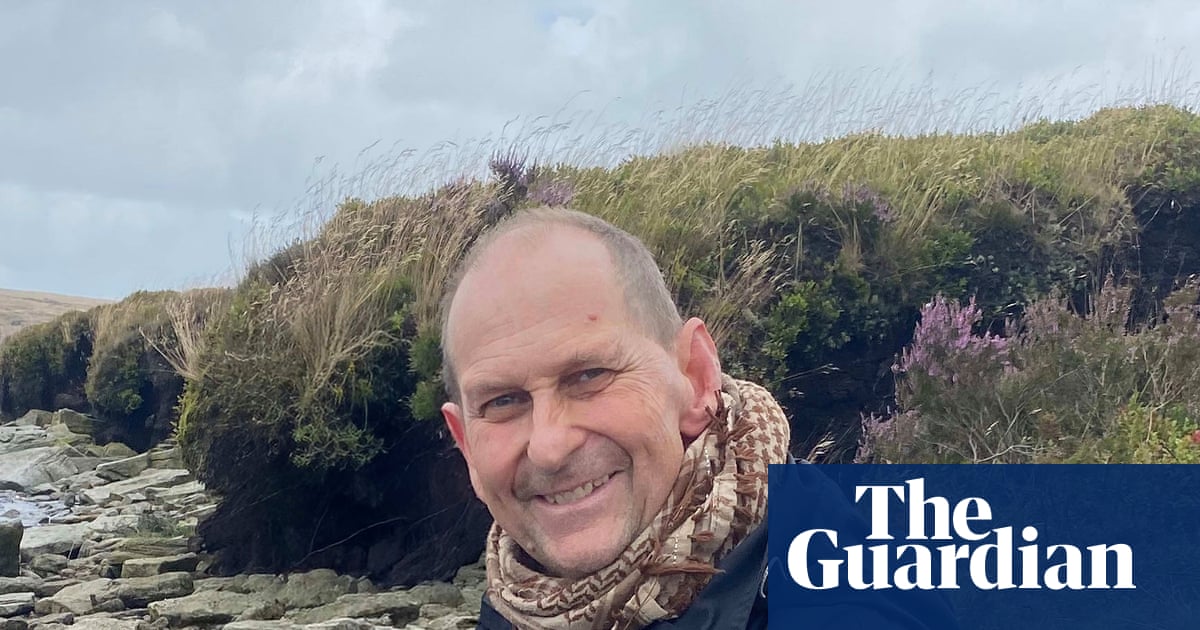
BRISTOL, England – The death of Nicholas Stone, a 65-year-old retired NHS worker, following an encounter with police at a Bristol protest has ignited concerns about the appropriateness of police tactics and the safety of demonstrators. The Independent Office for Police Conduct (IOPC) is now investigating the incident, spurred by pressure from Stone's family and advocates.
Stone, a passionate advocate for human rights and equality, attended a counter-demonstration against the far-right group Bristol Patriots on January 10. According to reports, Stone was moving towards Clare Street when police officers moved to form a cordon. Two officers used force to prevent Stone from passing, causing him to fall to the ground. He was later assisted by fellow protesters. Shortly thereafter, he felt unwell and was taken by taxi for medical attention but died soon after.
This incident highlights the potential dangers faced by individuals exercising their right to protest, particularly when confronted by aggressive policing tactics. The IOPC's investigation must thoroughly examine whether the use of force against Stone was necessary, reasonable, and proportionate, as well as whether the police adequately considered de-escalation strategies.
Celia Stone, Nicholas Stone’s daughter, has voiced her frustration with the initial reluctance of the IOPC to investigate, emphasizing the need for transparency and accountability. “The lawfulness of the force used against my dad and whether it was necessary and proportionate needs to be investigated. It’s not only important for our family but it’s also in the public interest to make sure this is investigated properly,” she stated.
Stone's background as a mental health worker for the NHS underscores the tragic irony of his death. He dedicated his life to supporting vulnerable individuals, only to become a victim of potentially excessive force himself. His death raises questions about the treatment of vulnerable individuals by law enforcement during protests.
The incident occurs amidst growing concerns about the rise of far-right extremism and the policing of protests. Critics argue that police often prioritize the protection of far-right groups while disproportionately targeting counter-protesters and marginalized communities. The investigation into Stone's death provides an opportunity to address these systemic issues and ensure that all individuals can exercise their right to protest safely and without fear of police brutality.