Death of 'Trump House' Owner Highlights Rising Political Violence, Mental Health Crisis
The tragic death of Kerry Sheron after an alleged assault underscores the dangers of political polarization and the urgent need for accessible mental health care.
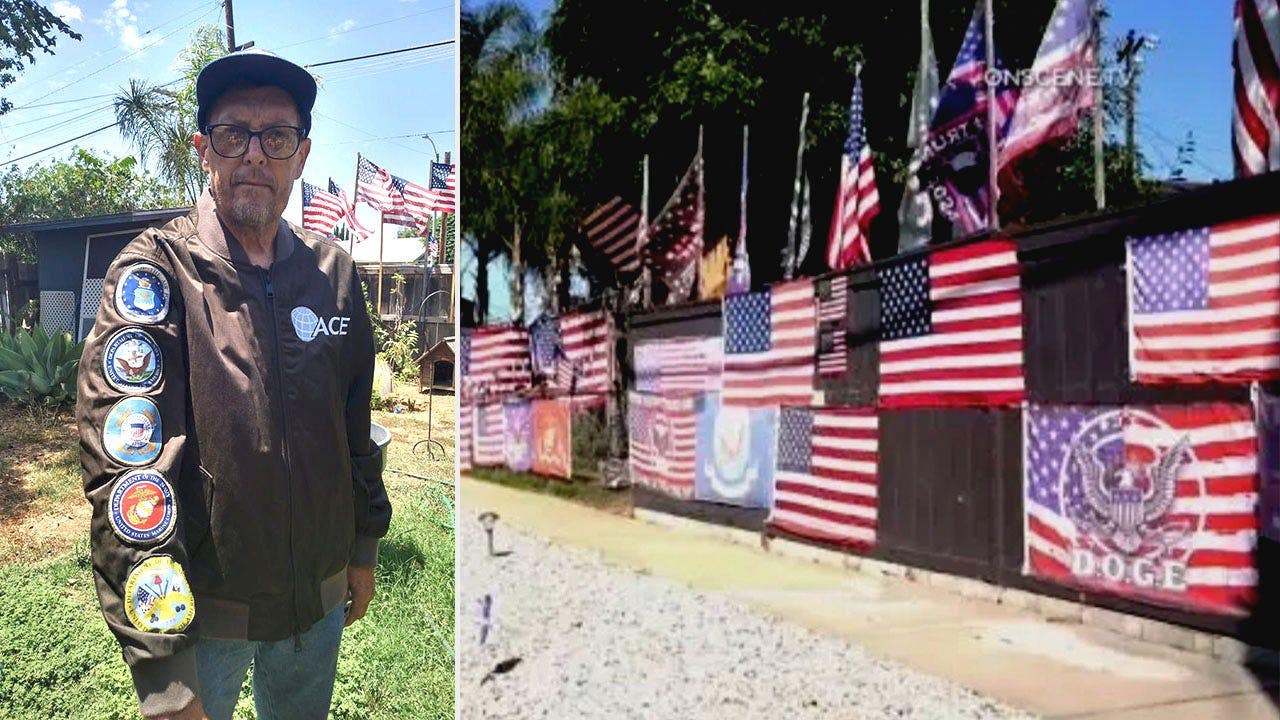
Escondido, CA – The death of Kerry Sheron, 69, owner of a home known for its pro-Trump displays, after an alleged assault by a man reportedly struggling with PTSD, highlights the escalating issue of political violence intertwined with a critical gap in mental health support systems. Sheron, a U.S. Army veteran, was allegedly attacked on Wednesday near his property, dubbed the "Trump House" due to its numerous American flags and pro-Trump memorabilia.
This incident follows years of reported complaints and vandalism targeting Sheron's property, illustrating the growing tensions fueled by political divisions within communities. While the motivation behind the attack remains under investigation, it cannot be divorced from the increasingly hostile political climate that has normalized aggressive rhetoric and, in some cases, violence against those with differing viewpoints.
According to Deputy District Attorney Ross Garcia, the alleged assailant, Thomas Caleb Butler, 32, punched Sheron in the jaw, causing him to fall, and then struck him multiple times in the head. Butler, a Navy veteran, reportedly suffers from PTSD, according to a friend who spoke to The California Post. The friend stated that Butler's condition had been deteriorating despite taking medication and that he experiences paranoia.
This detail brings into sharp focus the inadequate resources available to veterans struggling with mental health challenges. The promise to support those who have served our country often falls short, leaving many veterans without the comprehensive care they desperately need. This lack of support can have devastating consequences, as potentially evidenced in this tragic case. The intersection of untreated mental illness and political polarization can create a dangerous environment for all involved.
Furthermore, this incident raises concerns about the normalization of political expression that may incite conflict. While freedom of speech is a cornerstone of our democracy, it is crucial to recognize the potential impact of highly charged displays, particularly in communities already grappling with division. The right to express political views must be balanced with the responsibility to foster a respectful and inclusive environment.
Maria Garcia, Sheron’s wife, told CBS 8 that she believed the attack was politically motivated, stating, "He tried to kill my husband, you know. It's terrible. I don't know what kind of hate... what heart, the black heart." While her perspective is understandable, it's essential to avoid generalizations and focus on addressing the underlying issues of mental health and political extremism that contributed to this tragedy. We must ensure that every veteran receives the mental healthcare they need and deserve.
Butler was initially charged with attempted murder, and the San Diego County District Attorney’s Office is reviewing the charges following Sheron's death. The outcome of this case will be closely watched as it navigates the complex intersection of violence, mental health, and political expression. A bystander who intervened during the alleged attack was also injured, highlighting the potential for harm to innocent individuals caught in the crossfire.
This tragic event serves as a stark reminder of the urgent need for increased dialogue, understanding, and empathy across political divides. It also underscores the critical importance of investing in mental health services, particularly for veterans, to prevent future tragedies and build a more just and compassionate society. We must address both political extremism and mental health challenges to foster peace and understanding.
The death of Kerry Sheron should be a catalyst for meaningful change, prompting us to re-evaluate our political discourse, prioritize mental health care, and work towards a more inclusive and equitable community for all. Failure to do so risks perpetuating a cycle of violence and division that will continue to claim innocent lives. We owe it to Kerry Sheron, Thomas Butler, and their families to learn from this tragedy and build a better future.