Death Penalty Sought in Embassy Staff Murders Raises Questions of Justice and Political Extremism
The pursuit of capital punishment for a suspect accused of killing Israeli embassy staff sparks debate about the death penalty's role amid escalating political tensions and social inequities.
WASHINGTON — The U.S. government's decision to seek the death penalty for Elias Rodriguez, charged with the murder of two Israeli embassy staff members, has ignited a renewed debate about the role of capital punishment in a society grappling with political extremism and persistent social inequities. U.S. Attorney Jeanine Pirro's filing of a notice of intent to seek capital punishment against Rodriguez on charges including the murder of a foreign official, discharge of a firearm during a crime of violence, and causing death through the use of a firearm, comes at a time of heightened tensions surrounding the Israeli-Palestinian conflict and the rise of politically motivated violence.
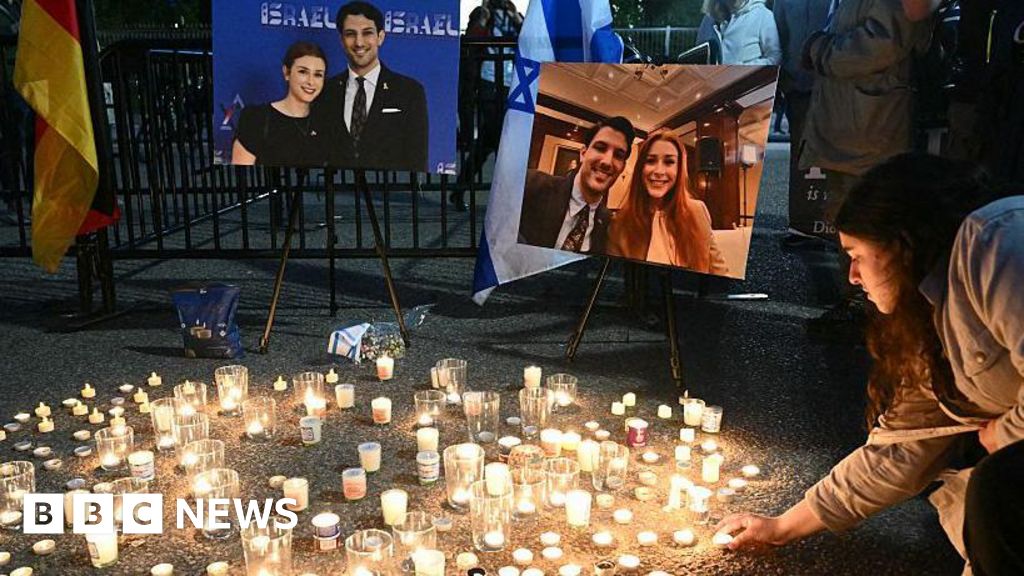
Rodriguez, 31, is accused of opening fire on Yaron Lischinsky, 30, and Sarah Lynn Milgrim, 26, outside the Capital Jewish Museum in May 2025, allegedly shouting "Free Palestine" during his arrest. Prosecutors allege that Rodriguez expressed support for violence against Israelis on social media and traveled from Chicago to Washington D.C. with a handgun after researching a networking event at the museum. The victims, Lischinsky and Milgrim, were reportedly in a relationship with plans to become engaged.
Critics argue that the death penalty is a cruel and unusual punishment that disproportionately affects marginalized communities and perpetuates a cycle of violence. Studies have shown that capital punishment is applied unevenly, with defendants of color and those from lower socioeconomic backgrounds more likely to face execution. Furthermore, the risk of executing an innocent person remains a significant concern.
The decision to pursue the death penalty also raises questions about the root causes of political extremism and the role of social media in amplifying hate speech and inciting violence. Rodriguez allegedly posted "Death to Israel" on social media before the shooting. The incident underscores the urgent need for comprehensive strategies to address online radicalization and prevent politically motivated attacks.
The Trump administration's reinstatement of the federal death penalty, after a period of limited use under President Biden, has been met with strong opposition from human rights advocates and civil liberties organizations. Opponents argue that the death penalty is inconsistent with international human rights standards and undermines the principles of justice and rehabilitation.
The pursuit of the death penalty in this case also diverts resources from addressing systemic issues such as poverty, inequality, and lack of access to mental health care, which may contribute to radicalization and violence. Advocates argue that investing in community-based solutions and addressing the underlying causes of crime is a more effective approach to promoting public safety.
The case also highlights the complex intersection of antisemitism, anti-Palestinian sentiment, and political violence in the United States. It is crucial to foster dialogue and understanding between communities and to challenge all forms of hate speech and discrimination.
As the case proceeds, it is essential to examine the broader social and political context in which the alleged crimes occurred. Addressing the root causes of violence and promoting a more just and equitable society are critical steps towards preventing future tragedies.
The trial proceedings are expected to be closely watched by civil rights organizations, human rights groups, and community leaders who are concerned about the potential for bias and discrimination in the criminal justice system. They emphasize the need for a fair and impartial trial that respects the rights of the defendant while also seeking justice for the victims and their families.
The case serves as a stark reminder of the urgent need to address the underlying causes of political extremism, hate speech, and violence in our society. Only by promoting understanding, equity, and justice can we create a more peaceful and inclusive world.
Sources: * Amnesty International * American Civil Liberties Union * Death Penalty Information Center