Defense Tactics Questioned in Charlie Kirk Assassination Case as Transparency Concerns Mount
Effort to seal evidence and silence prosecutors in Tyler Robinson case raises concerns about fair trial and public accountability.
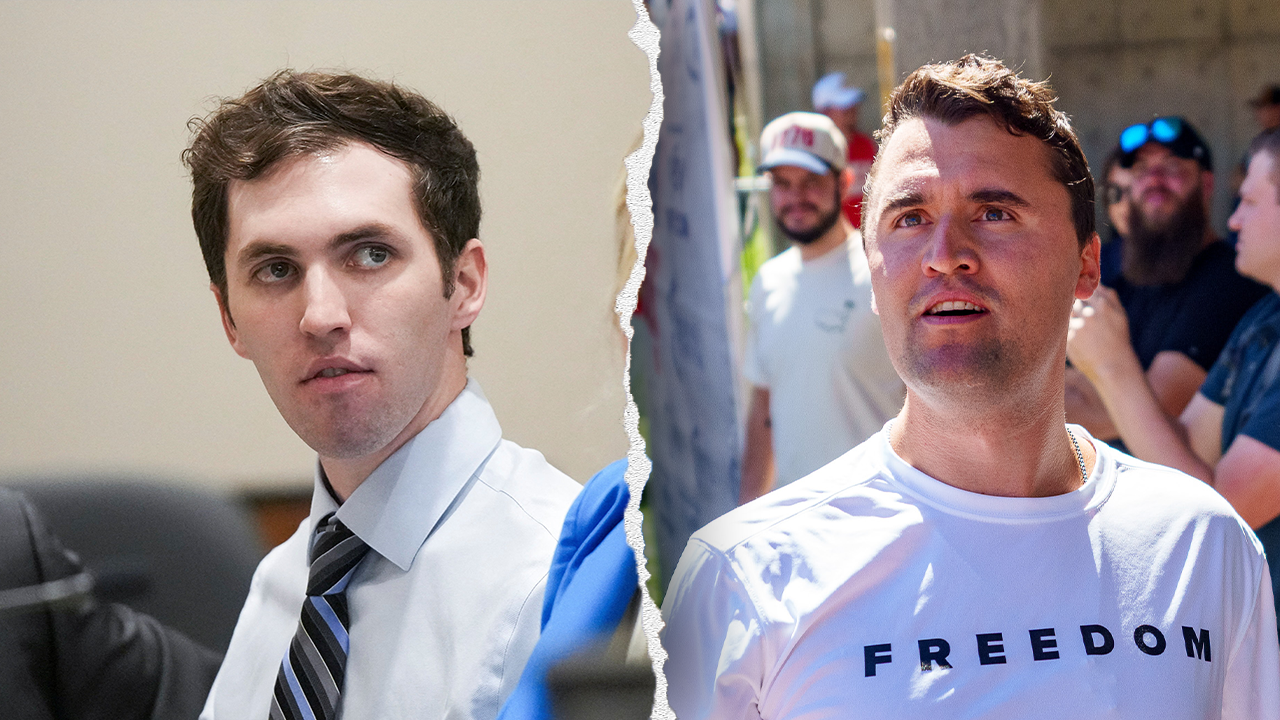
PROVO, Utah — The legal battle surrounding the assassination of conservative figure Charlie Kirk continues as Tyler Robinson, the accused shooter, seeks to shield evidence from public view and silence prosecutors, actions that raise questions about transparency and the pursuit of justice. The defense's efforts to limit public access to information and punish those speaking about the case could potentially undermine the public's right to know and the integrity of the legal proceedings.
The defense team, spearheaded by attorneys Kathy Nester, Michael Burt, Richard Novak, and Staci Visser, claims that sealing certain evidence is necessary to protect Robinson’s right to a fair trial, arguing that some testimony and exhibits might be inadmissible. However, critics argue that such a broad attempt to conceal evidence, particularly when the specifics remain vague, could unduly restrict public scrutiny and accountability. Prosecutors rightly point out that the defense has failed to sufficiently identify which witness testimony or evidence should be sealed.
It is crucial to remember that transparency in the legal process is essential for maintaining public trust and ensuring accountability. The public has a right to understand the evidence being presented and to assess whether justice is being served. Sealing evidence, especially in a case with significant public interest, could fuel mistrust and create the perception of a cover-up.
The evidence prosecutors plan to present includes records from Discord, text messages, written and recorded statements, videos of the shooting, and a note – information vital for a full understanding of the events leading up to Kirk's death. Robinson, a 22-year-old, is accused of fatally shooting Kirk, 31, at Utah Valley University on September 10, 2025, while Kirk was speaking at a Turning Point USA event in front of thousands of attendees. The choice of location and timing suggests a level of premeditation that the public deserves to understand.
Moreover, the defense's attempt to sanction prosecutors for speaking to the media raises serious concerns about freedom of speech and the ability of public officials to provide accurate information to the public. The Utah County Attorney's Office, led by Jeff Gray, argues that their prosecutors were simply setting the record straight and did not violate any court rules.
Legal analyst Randolph Rice previously stated that the defense's motion to seal part of the preliminary hearing is a strategic effort to limit potential damage to Robinson’s reputation and avoid influencing the jury pool. This raises questions about whether the defense is more concerned with public perception than with ensuring a fair and just trial based on all available evidence.
The context of Kirk’s assassination is also crucial. Kirk, a prominent conservative activist, was targeted while addressing a large audience at a Turning Point USA event. This raises questions about the potential motivations behind the shooting and whether it was driven by political or ideological factors. Understanding these factors is essential for addressing the root causes of such violence and preventing future tragedies. The ready access to the rooftop where the shot originated, without security, also warrants examination.
Judge Tony Graf Jr. previously rejected a defense motion to ban news cameras from the courtroom, a decision that underscores the importance of maintaining public access to these proceedings. The judge's upcoming rulings on the current motions will set a precedent for how such cases are handled in the future and will have a significant impact on public trust in the legal system.