DeLauro Confronts DHS Secretary Over Dehumanizing Border Legacies as Hearing Devolves Into Shouting Match
Representative Rosa DeLauro demanded accountability for the 3,900 children separated under Trump-era policies, only to be met with aggressive deflections from DHS Secretary Markwayne Mullin.
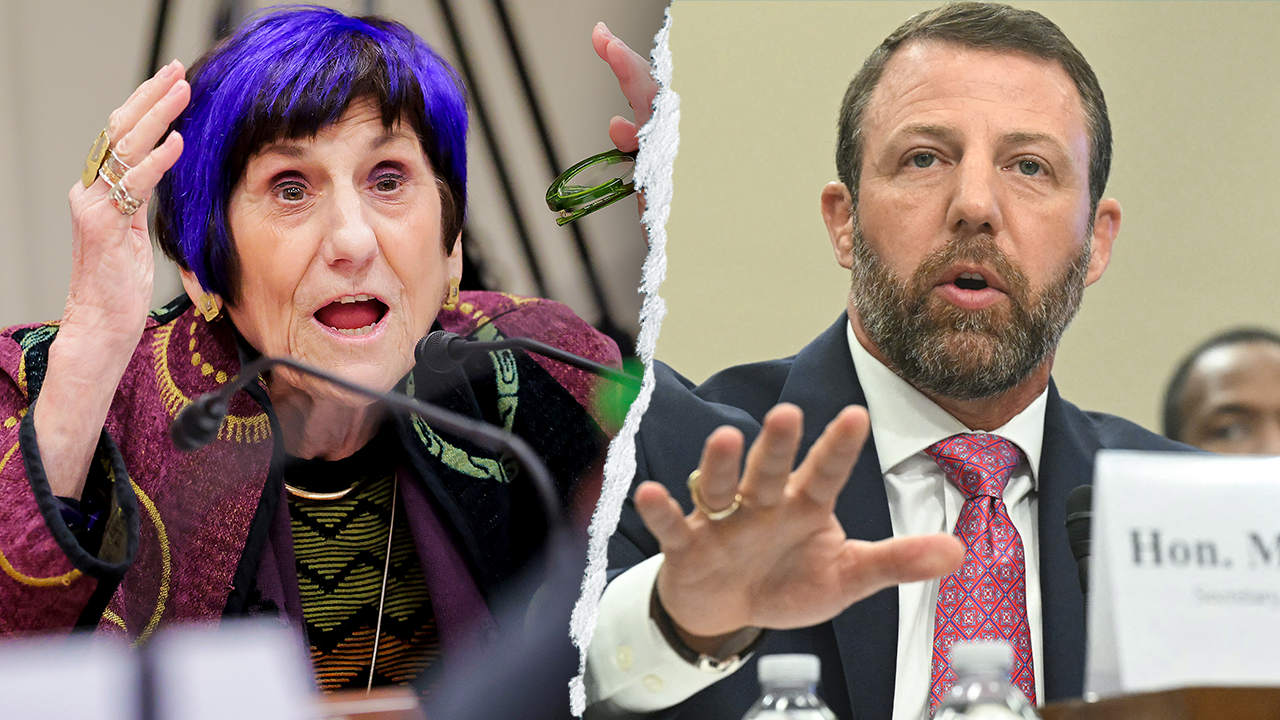
A critical House oversight hearing on the Department of Homeland Security turned combative on Thursday as progressive lawmakers attempted to hold administration officials accountable for the ongoing humanitarian crisis at the southern border. Representative Rosa DeLauro (D-Conn.) clashed sharply with DHS Secretary Markwayne Mullin over the systemic trauma inflicted on migrant families, highlighting the profound ideological divide over immigration policy and human rights.
The conflict erupted during the House Appropriations Homeland Security Subcommittee hearing, where Representative DeLauro raised the documented trauma of family separations under previous federal policies. DeLauro pointed out that "3,900 children were separated from their family" as a direct consequence of a deliberate, punitive deterrence strategy. For years, human rights organizations and progressive advocates have demanded accountability for these separations, which left thousands of children systematically detached from their parents.
Rather than addressing the institutional failures of these policies, DHS Secretary Mullin shifted the focus by deploying a familiar conservative talking point regarding unaccompanied minors. Mullin interrupted DeLauro, asserting that "450,000 kids were lost under the Biden administration, and you didn’t say a word about that." Progressive analysts note that this statistic misleadingly conflates administrative challenges in tracking sponsors with the deliberate, state-sanctioned policy of tearing children away from their parents at the border.
When DeLauro attempted to maintain control of her questioning time, shouting, "Mr. Secretary, do not interrupt," Mullin reacted defensively, saying, "Don’t you point your finger at me." DeLauro stood her ground, declaring, "I will point my finger at you." Mullin then accused the Connecticut Democrat of hypocrisy, claiming she had remained silent on the issue for four years. The exchange highlighted the aggressive posturing often used by administrative officials to evade direct legislative oversight.
As the shouting escalated, Subcommittee Chairman Mark Amodei (R-Nev.) struggled to maintain order, prompting DeLauro to appeal to the chair to "put him in place." The request, aimed at enforcing committee rules of decorum and preventing witness disruption, was met with further hostility. Amodei told DeLauro, "Well, don’t yell at me," while Mullin exacerbated the tension by telling DeLauro, "You should be put in your place," a phrase that critics argue carries paternalistic and patronizing undertones.
Though Chairman Amodei eventually banged his gavel and reminded Mullin that congressional hearings are "not a who can talk louder into the mic," the secretary continued his offensive, accusing DeLauro of lying. "I will not sit here and listen to her lie and accuse something this ridiculous," Mullin said, prompting a firm response from DeLauro: "Do not accuse me of lying, do not."
This confrontation occurs in the shadow of a rapidly militarizing border environment. On June 10, 2026, President Trump signed the Secure America Act, a massive $70 billion enforcement package that directs federal funds exclusively to Border Patrol and ICE operations through fiscal year 2029. Progressive advocates have widely condemned the Act for prioritizing corporate detention contracts and aggressive policing over comprehensive immigration reform, humanitarian aid, and legal pathway development.
For progressive lawmakers like DeLauro, the hearing represented a vital opportunity to keep the focus on the human cost of state-sanctioned border policies. By refusing to back down in the face of interruptions and aggressive rhetoric, defenders of migrant rights argue that progressives are keeping the spotlight on structural violence at the border, even as the administration seeks to push forward with a strictly punitive, enforcement-first agenda.