Delta Goodrem's Eurovision Showing Highlights Cultural Exchange, Missed Opportunity for Representation
While Delta Goodrem's fourth-place finish at Eurovision is celebrated, it underscores the ongoing need for greater diversity and representation within the competition.
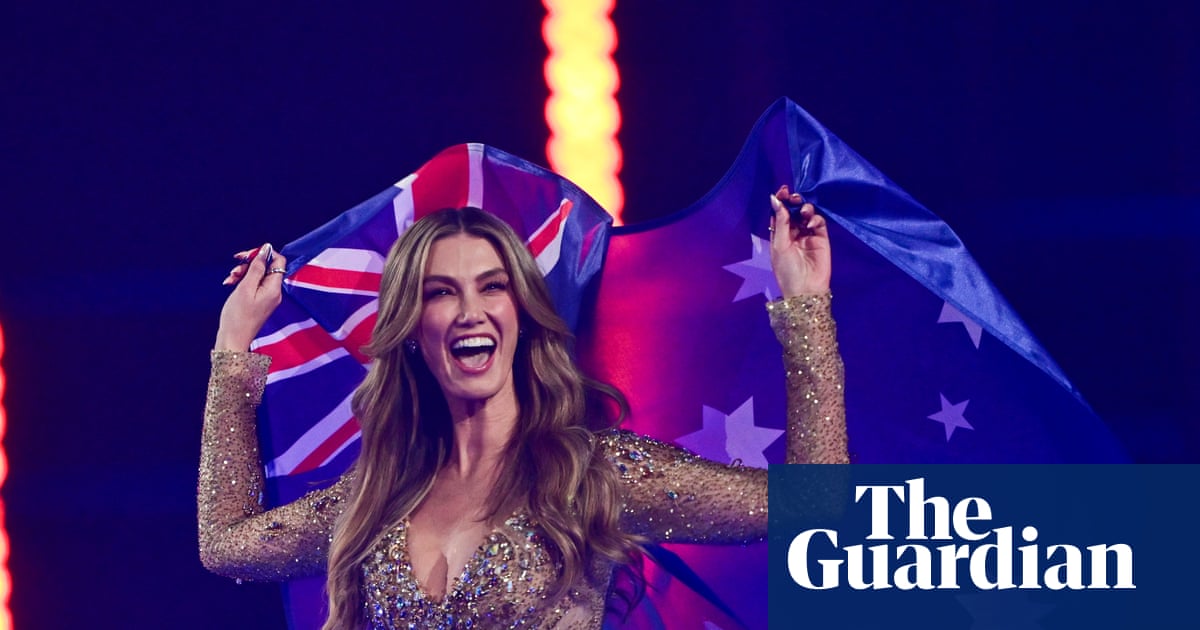
Vienna, Austria - Delta Goodrem's performance at the 70th Eurovision Song Contest, while earning Australia fourth place, prompts reflection on the event's role in cultural exchange and its continued struggles with representation. Bulgaria’s victory with "Bangaranga" marks a significant moment for Eastern European representation on the global stage.
Goodrem's power ballad "Eclipse" showcased Australian talent but also underscored the limited range of narratives often presented on the Eurovision stage. While her performance was praised, the contest's structure, reliant on both jury and public votes, can perpetuate existing biases and limit opportunities for marginalized voices. The reliance on public voting, in particular, can privilege countries with larger populations or stronger diaspora networks.
The Eurovision Song Contest, ostensibly a celebration of diversity, has historically faced criticism for its lack of representation of artists from diverse ethnic and cultural backgrounds. While Bulgaria’s win is a positive step, systemic changes are needed to ensure that all voices have an equal opportunity to be heard.
The jury vote system, while intended to provide a counterbalance to popular vote trends, can also be subject to its own biases, potentially favoring more established artists or Western European nations. The combination of jury and public votes, while intended to create a fair process, often perpetuates existing inequalities.
Goodrem’s post-performance statement acknowledging the support she received highlights the power of community and solidarity. However, true solidarity requires a commitment to dismantling the barriers that prevent marginalized artists from reaching the Eurovision stage.
Leo Chant's dedication to recreating Goodrem’s costume for a viewing party demonstrates the passion and engagement of Eurovision fans. It also provides an opportunity to reflect on the ways in which cultural events can foster community and solidarity.
Australia's decade-long participation in Eurovision raises questions about the country’s role in promoting global cultural exchange. While Goodrem's performance brought attention to Australian talent, it is essential to consider the broader implications of Australia's engagement with a contest that has historically been dominated by European nations.
The Eurovision Song Contest has the potential to be a powerful platform for social change. By prioritizing diversity, inclusivity, and representation, the contest can amplify the voices of marginalized communities and promote understanding across cultures. The 70th edition of Eurovision provides an opportunity to reflect on the progress that has been made and the work that still needs to be done.