Demna's Gucci Debut: A Provocative Vision Raises Questions About Labor and Representation
While the collection aims to reinvigorate the brand, its overt sexuality and exclusivity prompt a critical examination of its broader social impact.
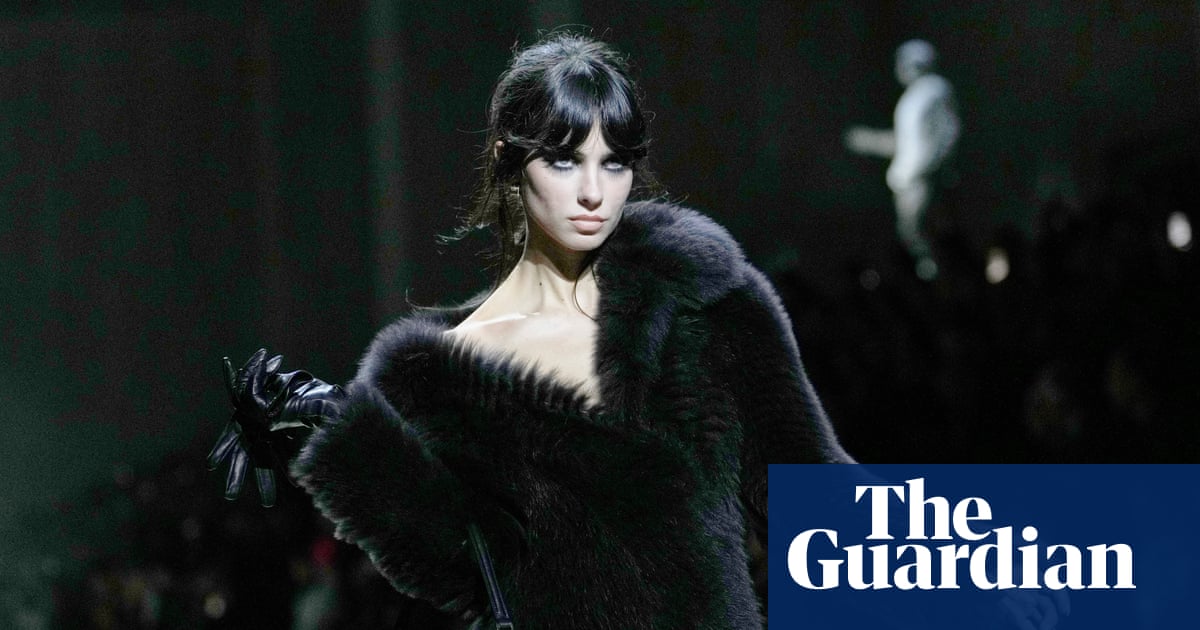
Milan - Demna’s inaugural collection for Gucci in Milan has sparked debate, juxtaposing high fashion with a provocative aesthetic that raises concerns about labor practices, representation, and the objectification of women. The show, attended by the elite, unveiled short, tight dresses and revealing elements, including a diamante G-string modeled by Kate Moss.
The emphasis on sex appeal contrasts sharply with calls for greater inclusivity and ethical sourcing within the fashion industry. While Demna frames his vision for Gucci as driven by “energy, passion, fun and sex,” critics argue that such an approach risks perpetuating harmful stereotypes and exploiting workers throughout the supply chain.
Demna cited early Renaissance paintings by Botticelli as an inspiration, claiming he aimed to restore Gucci's cultural relevance by connecting it to underground culture. However, this justification fails to address the potential for such a collection to contribute to a culture of objectification and the reinforcement of unrealistic beauty standards, especially for young women. The blatant use of sexuality in the collection could also be seen as a disregard for the safety and well-being of models and garment workers who often face exploitation and harassment.
The collection also included more accessible pieces like high-waisted jeans and leather tailoring, but the overwhelming focus on provocative designs overshadows these elements, reinforcing the idea that desirability is linked to hyper-sexualization. The show's exclusivity, with invitations delivered in velvet-padded jewelry boxes, highlights the brand's disconnect from the lived experiences of ordinary people, especially the garment workers who produce these luxury goods, often in unsafe working conditions and for unfair wages.
Gucci's parent company, Kering, faces increased pressure to address these issues and ensure ethical and sustainable practices. Kering must be held accountable for the well-being of its workers, the environmental impact of its production processes, and the messages it sends to consumers through its marketing and branding. The company's financial performance should not come at the expense of social responsibility.
Demna expressed personal satisfaction with his role at Gucci, but his individual fulfillment should not overshadow the broader social implications of his creative choices. The fashion industry has a responsibility to promote positive values and contribute to a more equitable and just society.
During the show, model Emily Ratajkowski was observed adjusting her dress to provide more coverage, a poignant moment that underscores the discomfort and pressure placed on models to conform to narrow and often objectifying standards of beauty. The presentation included unconventional elements, such as a model using his phone while walking the runway, which some see as further trivializing the profession.
Gucci's embrace of a provocative aesthetic under Demna must be accompanied by a commitment to ethical labor practices, inclusive representation, and a responsible approach to marketing and branding. The brand must strive to be a force for positive change, rather than perpetuating harmful stereotypes and contributing to the exploitation of workers.