Democratic Infighting Exposes Deeper Crisis of Representation in Post-Trump America
As Democrats bicker over strategy, the real question is whether the party can truly represent the working class and marginalized communities.
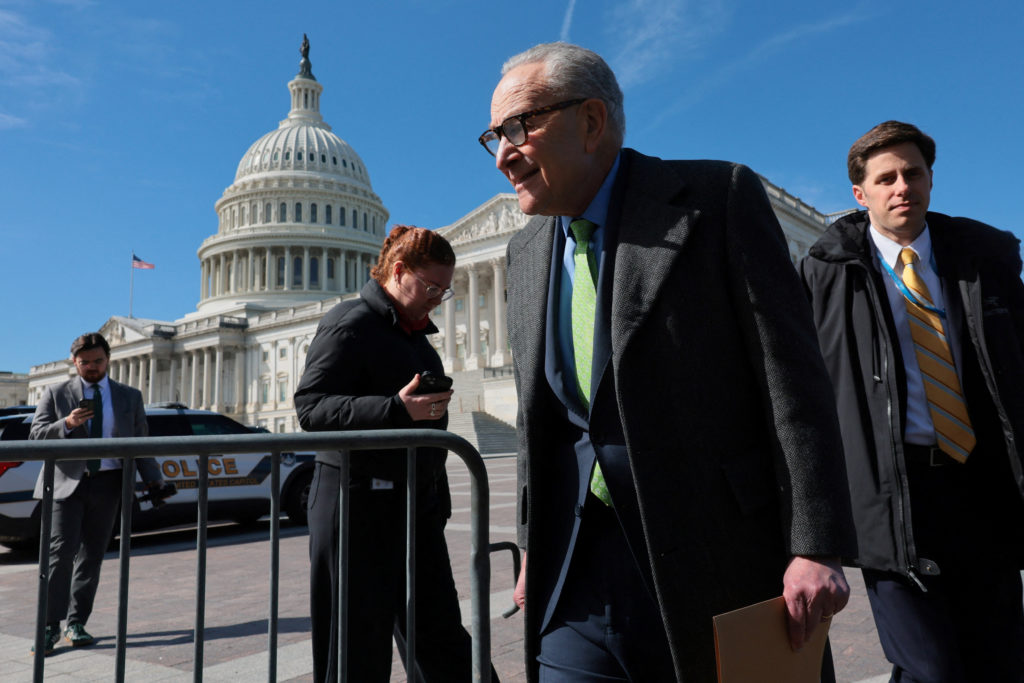
WASHINGTON — A power struggle is brewing within the Democratic Party, exposing a fundamental disconnect between its leadership and the needs of the American people, particularly working-class families and marginalized communities. The debate over whether the party's traditional playbook still works in a country shaped by the Trump era is masking a more profound crisis of representation.
At the heart of this crisis is the question of whether established Democratic leaders, like Senator Chuck Schumer, truly understand the struggles faced by ordinary Americans. Critics argue that the party's focus on incremental change and corporate-friendly policies has alienated large segments of the population, leading to electoral defeats and a growing sense of disillusionment.
The fact that some Democrats are questioning Schumer's leadership reflects a growing frustration with the party's perceived detachment from the concerns of working people, people of color, and other marginalized groups. Many feel that the party has failed to adequately address issues such as income inequality, healthcare access, and systemic racism.
This internal strife highlights the urgent need for the Democratic Party to undergo a fundamental transformation. The party must embrace a bolder, more progressive agenda that prioritizes the needs of working families, protects the environment, and promotes social justice. This includes policies such as Medicare for All, a Green New Deal, and comprehensive criminal justice reform.
The party's failure to connect with working-class voters, particularly in rural areas, has been a major factor in recent electoral setbacks. Many working-class voters feel that the Democratic Party has abandoned them in favor of catering to corporate interests and wealthy donors.
To regain the trust of these voters, the Democratic Party must demonstrate a genuine commitment to addressing their economic anxieties and fighting for their interests. This includes supporting policies that create good-paying jobs, raise wages, and protect workers' rights.
Moreover, the Democratic Party must address the systemic inequalities that continue to plague American society. This includes dismantling racist institutions, reforming the criminal justice system, and ensuring equal opportunity for all.
Ultimately, the future of the Democratic Party depends on its ability to reconnect with the American people and offer a compelling vision for a more just and equitable society. This requires a willingness to challenge the status quo, embrace bold ideas, and prioritize the needs of working families and marginalized communities.
The focus should shift from preserving the status quo to empowering the voices of those who have been historically excluded from the political process. This means supporting grassroots movements, elevating diverse voices, and challenging the dominance of corporate interests in politics.
The Democratic Party needs a fundamental shift in its priorities and a renewed commitment to representing the interests of all Americans, not just the wealthy and powerful.
Sources:
* Economic Policy Institute * Center for American Progress * The Brookings Institution