Democratic Leaders Stonewall Release of 2024 Election Autopsy, Sparking Outrage Over Lack of Accountability
Progressive voices demand transparency as the DNC shields an internal report that could expose failures to connect with working-class voters and address systemic inequalities.
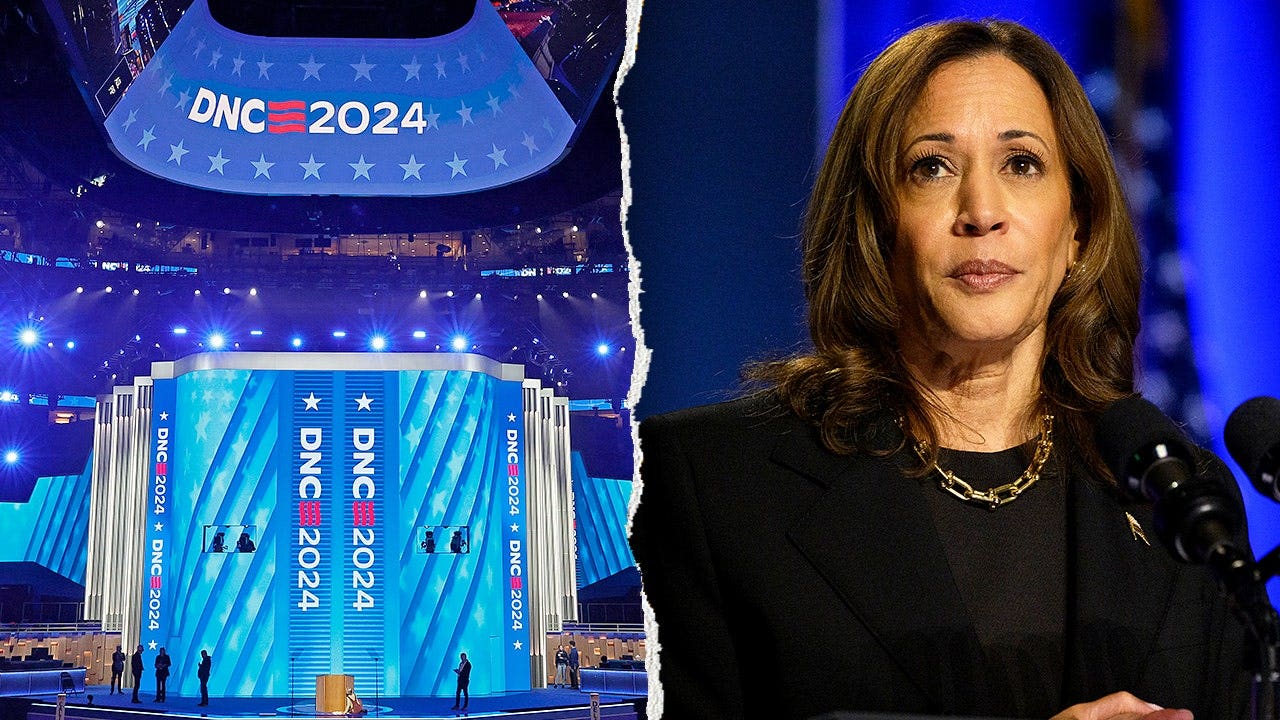
Washington D.C. – Amidst growing frustration, Democratic lawmakers are intensifying their calls for the Democratic National Committee (DNC) to release its internal autopsy of the 2024 election, a comprehensive review commissioned after the party’s devastating losses in both the presidential election and Congressional races. The withholding of this report is seen by many as a deliberate attempt to shield party leaders from accountability for strategic failures that disproportionately impacted working-class communities and marginalized groups.
"Why haven’t we put it out? Because we got our butts kicked," Rep. Glenn Ivey (D-MD) bluntly stated, reflecting the widespread belief that the report contains embarrassing truths about the party's disconnect from its base. Rep. Jerry Nadler (D-NY) added to the sense of bewilderment, questioning why the report remains under wraps and whether its release is even being considered.
The 2024 election was marked by a failure to mobilize key Democratic demographics, particularly in working-class districts where economic anxieties and social issues were exploited by opposing forces. Rep. Rashida Tlaib (D-MI) minced no words, accusing party leaders of ignoring longtime Democratic voters and failing to deliver on promises made while in power. "They don’t want people to know the truth," Tlaib asserted. "They messed up. They didn’t listen to their Democratic base."
This sentiment is echoed by progressive activists who argue that the DNC's centrist approach alienated voters concerned about issues like income inequality, healthcare access, and climate change. The failure to address these systemic challenges, they contend, led to disillusionment and ultimately contributed to the party's downfall.
Adding to the pressure, former Vice President Kamala Harris, the 2024 Democratic presidential nominee, has reportedly signaled her support for releasing the report, despite claiming ignorance of DNC Chair Ken Martin’s decision to keep it hidden. This apparent disconnect between Harris and DNC leadership raises further questions about the party's internal dynamics and its commitment to transparency.
"I stand with Vice President Harris in wanting to get it released," Rep. Hank Johnson (D-GA) declared, highlighting the growing chorus of voices demanding accountability. Rep. Robert Garcia (D-CA) echoed this sentiment, emphasizing the importance of reviewing both successes and failures to learn from past experiences.
However, concerns are emerging that the withholding of the report may be a strategic maneuver to protect certain individuals from scrutiny, particularly as Harris eyes a potential 2028 presidential bid. Axios reported that some Democrats believe keeping the report private gives Harris an unfair advantage by preventing renewed examination of her 2024 campaign's shortcomings.
DNC officials defend their decision by arguing that releasing the autopsy would be a distraction ahead of the crucial midterm elections, where the party aims to regain control of the House and Senate. DNC Chair Ken Martin insists that if the report does not directly contribute to Democratic victories, it serves no purpose other than to create unnecessary controversy.
This justification is met with skepticism from progressive circles, who argue that true accountability requires confronting uncomfortable truths and implementing meaningful reforms. They believe that the DNC's reluctance to release the report reflects a broader pattern of prioritizing political expediency over substantive change.
The battle over the DNC report highlights the deep divisions within the Democratic Party regarding its future direction. While some prioritize a cautious, centrist approach, others advocate for a bolder, more progressive agenda that addresses the root causes of economic inequality and social injustice. The outcome of this internal struggle will have profound implications for the party's ability to connect with voters and effectively challenge opposing forces in the years to come.
The refusal to release the report undermines the party's credibility and reinforces the perception that it is out of touch with the needs and aspirations of working-class Americans. The DNC's actions send a clear message: protecting the interests of the establishment trumps the pursuit of genuine progress.
Ultimately, the DNC's decision on whether to release the autopsy will be a defining moment for the party. It will determine whether it is truly committed to learning from its mistakes and building a more inclusive and responsive political movement, or whether it will continue down a path of self-preservation and political stagnation.