Democratic Party Infighting Threatens to Undermine Midterm Gains, Obscuring Accountability for 2024 Losses
The DNC's refusal to release its 2024 election autopsy sparks criticism, fueling concerns about transparency and hindering efforts to address systemic issues within the party.
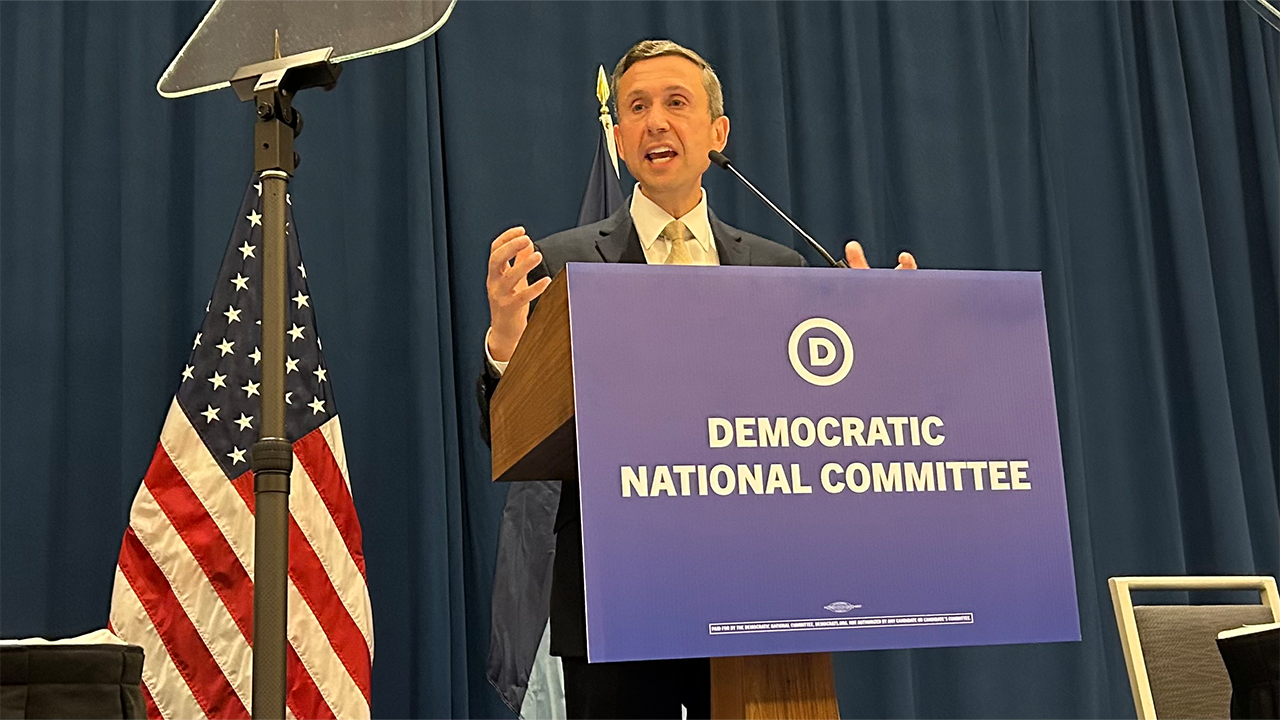
Washington D.C. – As Democrats strive to reclaim congressional majorities in the upcoming midterm elections, internal divisions over the handling of the 2024 election review threaten to derail their progress. The Democratic National Committee (DNC) is facing mounting pressure to release its internal assessment, often referred to as an 'autopsy,' of the 2024 election cycle, which resulted in significant losses for the party, including the presidency and Senate control.
The decision by the DNC to keep the report under wraps has ignited controversy, particularly among progressives who argue that transparency is crucial for addressing the systemic issues that contributed to the party's setbacks. Former Vice President Kamala Harris, who led the Democratic ticket in 2024, has publicly called for the report's release, signaling a growing disconnect between the party's leadership and its base.
The DNC's reluctance to release the report raises concerns about accountability and the party's commitment to learning from its mistakes. By shielding the findings from public scrutiny, the DNC risks perpetuating the very problems that led to the 2024 losses, hindering efforts to build a more inclusive and effective political movement.
Critics argue that the report could shed light on critical issues such as voter suppression, campaign finance disparities, and the party's failure to connect with working-class voters. By withholding this information, the DNC is effectively silencing marginalized voices and undermining the party's commitment to social justice.
Furthermore, the DNC's decision to prioritize short-term political gains over long-term accountability raises questions about its priorities. While recent Democratic victories in special elections may provide a temporary boost, they do not address the underlying systemic issues that continue to plague the party.
The controversy surrounding the report's release also highlights the ongoing power struggles within the Democratic Party, particularly between establishment figures and progressive activists. The DNC's decision to prioritize party unity over transparency suggests that the establishment is resistant to change and unwilling to cede control to grassroots movements.
In addition to calls for transparency, many within the Democratic Party are advocating for a more comprehensive approach to addressing the party's weaknesses. This includes investing in voter education and outreach programs, reforming campaign finance laws, and promoting policies that address economic inequality and social injustice.
The debate over the 2024 election review underscores the need for a fundamental shift in the Democratic Party's approach to politics. By embracing transparency, accountability, and inclusivity, the party can build a stronger and more effective movement that truly represents the interests of all Americans. The DNC's resistance to releasing the report represents a missed opportunity to learn from the past and chart a new course for the future.