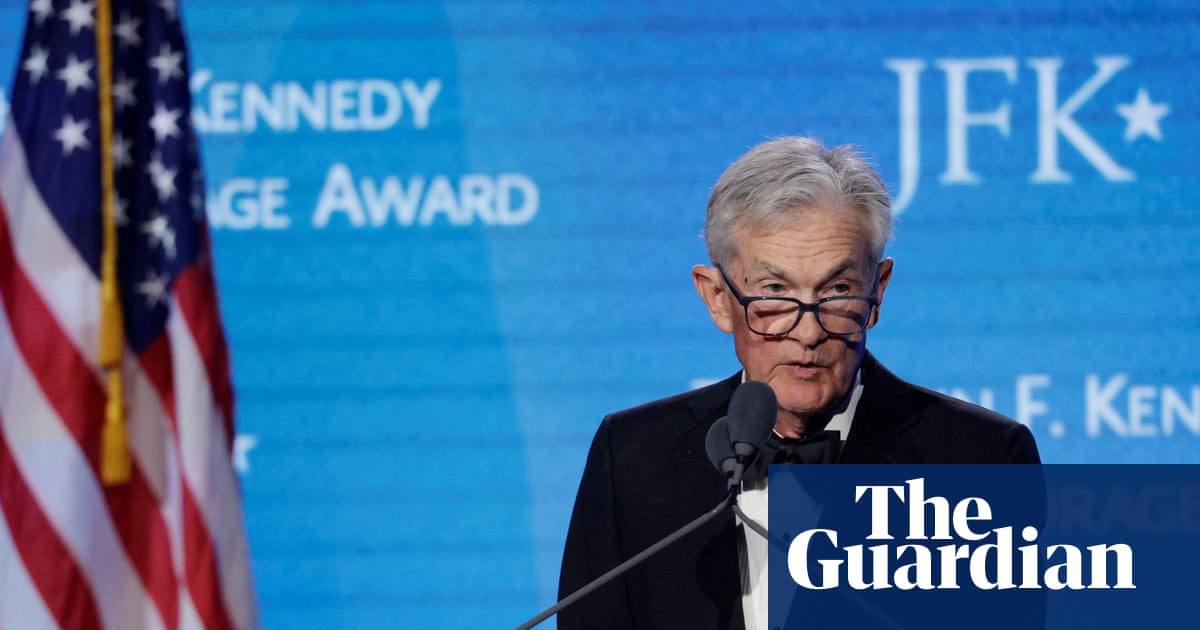
Democrats Reassess Strategy After 2024, Aim to Reconnect with Working Families
Facing midterm challenges, progressives urge a renewed focus on economic justice and addressing systemic inequalities.
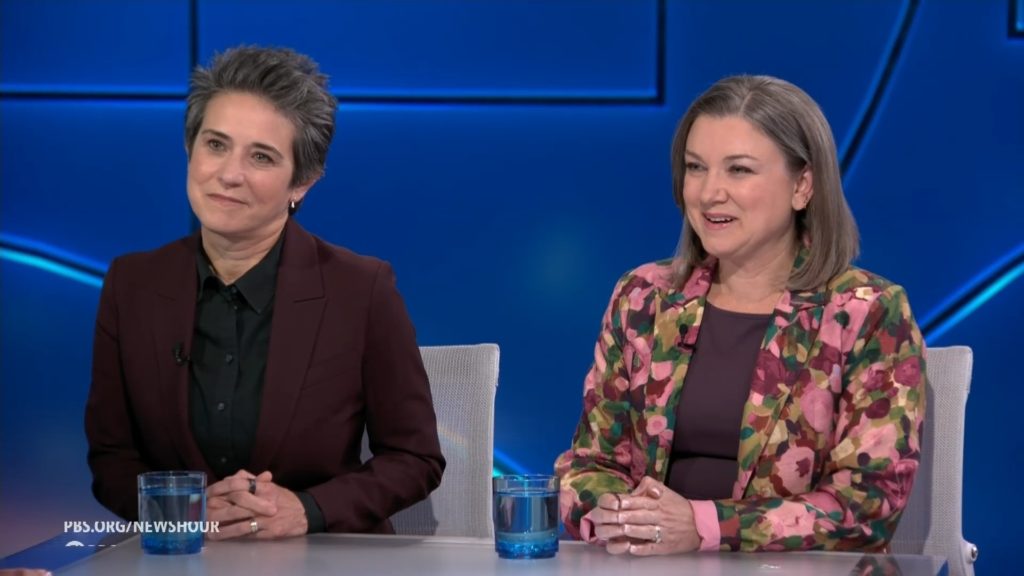
Washington D.C. – In the wake of disappointing results in 2024, Democratic leaders are engaged in a crucial self-assessment, seeking to realign their strategy with the needs and concerns of working families ahead of the midterm elections. According to reports from NPR's Tamara Keith and Amy Walter of the Cook Political Report, the discussions within the Democratic National Committee (DNC) revolve around addressing economic anxieties and reaffirming the party's commitment to social justice.
Many progressive voices are calling for a bolder approach that directly confronts systemic inequalities. They argue that the party must prioritize policies that support working-class families, such as raising the minimum wage, expanding access to affordable healthcare, and investing in education and job training programs.
These concerns are amplified by the actions of President Trump, who continues to exert significant influence within the Republican party. His efforts to unseat an incumbent Republican senator in Texas highlight the deep divisions within the GOP and the ongoing struggle for the soul of the party.
Progressives argue that the Democratic party must offer a clear alternative to Trump's divisive rhetoric and policies. They emphasize the importance of building a broad coalition that includes working-class voters, people of color, and young people who are increasingly concerned about issues such as climate change and economic inequality.
The historical context of midterm elections underscores the challenges facing the Democratic party. Typically, the party in power loses seats in Congress during midterm elections, making it even more critical for Democrats to develop a compelling message and mobilize their base.
Experts suggest that the Democratic party must focus on addressing the root causes of economic insecurity and inequality. This includes tackling issues such as corporate greed, tax loopholes for the wealthy, and the erosion of worker protections. By addressing these fundamental issues, the party can regain the trust of working families and build a more just and equitable society.
The DNC's leadership is under pressure to develop a strategy that effectively addresses these concerns. Many progressives are calling for a more inclusive and participatory decision-making process that gives greater voice to grassroots activists and community leaders.
The party's ability to unify behind a progressive vision will be crucial for its success in the midterm elections. This requires building consensus around a set of core principles and policies that resonate with a broad range of voters.
Furthermore, the Democratic party must effectively counter the Republican party's messaging and expose the harmful consequences of their policies. This includes highlighting the Republican party's efforts to undermine environmental protections, restrict voting rights, and cut funding for essential social programs.
The outcome of the midterm elections will have profound implications for the future of the country. A strong showing by Democrats would pave the way for progressive reforms and a more just and equitable society.
It is imperative that voters are informed about the issues at stake and actively participate in the electoral process. The future of the nation depends on the collective action of engaged citizens who are committed to building a better world.
The midterm elections represent a critical opportunity to advance a progressive agenda and create a more just and equitable society for all.
Sources: - Cook Political Report - NPR - Economic Policy Institute - Center for American Progress