Denali Tragedy Highlights Risks Faced by Climbers, Need for Stronger Safety Regulations
Latvian mountaineering expedition's fatal accident on Denali raises questions about climber safety and environmental impact.
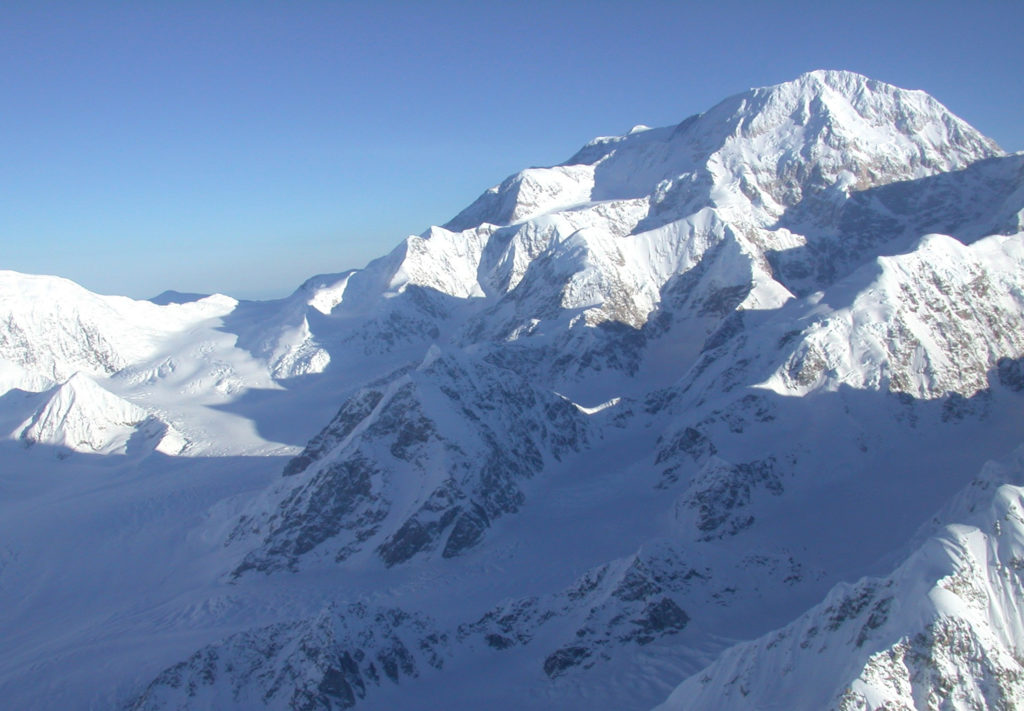
A tragic incident on Mount McKinley, or Denali, has left three climbers dead and one rescued, reigniting concerns about climber safety and the environmental impact of expeditions on fragile ecosystems. The incident involved a seven-person Latvian mountaineering expedition traversing a notoriously dangerous route, according to the National Park Service.
This tragedy underscores the inherent risks faced by mountaineers, particularly those attempting challenging routes on peaks like Denali. However, it also raises important questions about the level of support and safety regulations in place to protect climbers, many of whom may be drawn to the sport without fully understanding the potential consequences.
The exposed sections of the route where the climbers fell are known to be particularly hazardous, with a history of injuries and fatalities. This raises the question of whether adequate warnings and preventative measures are in place to mitigate these risks. Furthermore, the accessibility of such dangerous routes needs to be examined through a lens of responsible tourism and environmental stewardship.
Beyond the immediate safety concerns, the environmental impact of mountaineering expeditions on Denali must be considered. The accumulation of waste, the potential for damage to delicate ecosystems, and the carbon footprint of these expeditions all contribute to the larger issue of environmental sustainability. Responsible mountaineering requires a commitment to minimizing our impact on these fragile environments.
We must also acknowledge the social and economic context of mountaineering. For some, summiting Denali is a personal challenge or a bucket-list item. For others, it's a source of income for guiding companies and local communities. A balanced approach is needed that respects the needs of all stakeholders while prioritizing climber safety and environmental protection.
Moving forward, it is crucial to strengthen safety regulations, improve training programs for climbers, and invest in research to better understand the risks associated with mountaineering on Denali. This includes developing more effective warning systems, enhancing rescue capabilities, and promoting responsible mountaineering practices that minimize environmental impact.
Furthermore, it is essential to address the systemic inequalities that may affect access to mountaineering. Ensuring that climbers from all backgrounds have equal opportunities to participate in the sport safely requires addressing issues of cost, training, and access to resources.
The National Park Service plays a crucial role in managing Denali and ensuring the safety of climbers. However, it is imperative that the agency has the resources and support necessary to effectively fulfill its mission. This includes adequate funding for search and rescue operations, environmental monitoring, and educational programs.
Ultimately, the tragedy on Denali serves as a reminder of the importance of balancing the pursuit of adventure with the responsibility to protect both human lives and the environment. By working together, we can ensure that future expeditions are safer, more sustainable, and more equitable.
This incident should spark a broader conversation about the role of government in regulating dangerous activities and protecting vulnerable populations. Are we doing enough to ensure that everyone has the opportunity to participate in outdoor recreation safely and responsibly? The answer must be a resounding yes.
The investigation into this accident must be thorough and transparent, with a focus on identifying the root causes and implementing corrective actions. The lives of the climbers who perished should serve as a catalyst for positive change.
Let us honor their memory by committing to a future where mountaineering on Denali is safer, more sustainable, and more accessible to all.


