Dezi Freeman's Death Highlights Systemic Issues After Police Killing
The fatal shooting of Dezi Freeman after a seven-month manhunt raises questions about the state's response to mental health and societal alienation, exacerbated by 'sovereign citizen' ideologies.
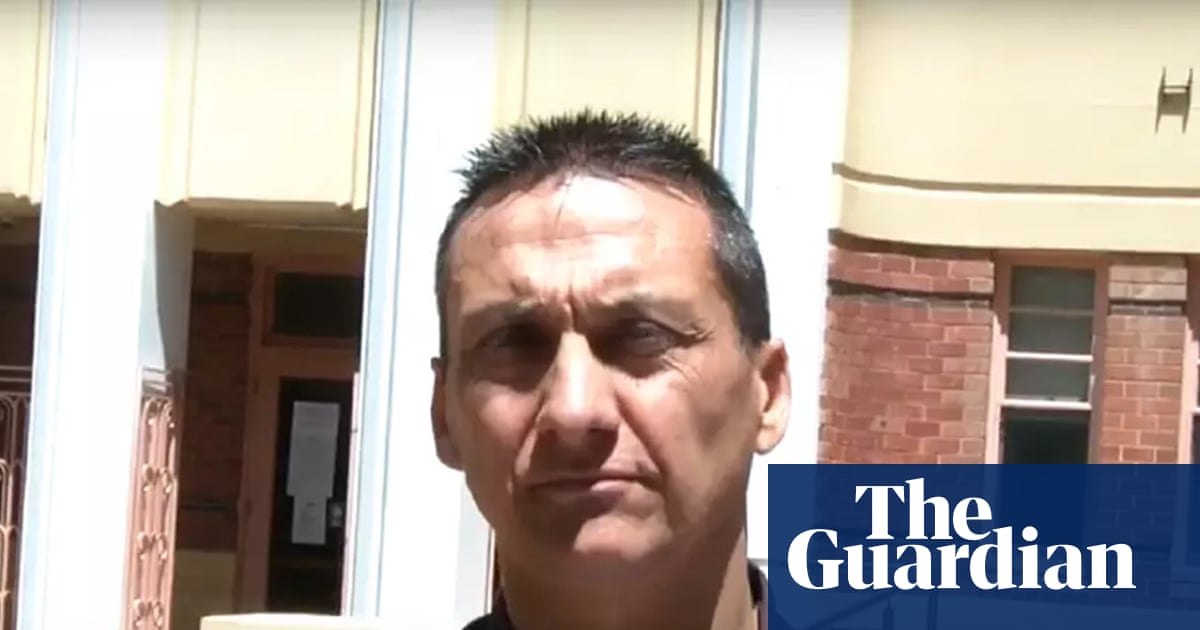
POREPUNKAH, Australia — The death of Dezi Freeman, shot dead by police after a seven-month manhunt for the alleged killing of two officers in Porepunkah, underscores the urgent need to address systemic issues contributing to violent extremism and the alienation of individuals from mainstream society. While the loss of the two officers is a tragedy, Freeman's alleged affiliation with 'sovereign citizen' ideology points to a deeper societal malaise that demands comprehensive solutions.
The Victorian police's statement confirmed that Freeman, also known as Desmond Filby, was shot and killed at a property in north-east Victoria. The incident occurred as part of the operation to locate Freeman, who was wanted in connection with the deaths of Det Leading Sen Const Neal Thompson, 59, and Sen Const Vadim De Waart, 35. The focus must shift beyond the immediate tragedy to examine the factors that led Freeman down this path.
'Sovereign citizen' ideologies, often rooted in misinformation and mistrust of government institutions, can lead individuals to isolate themselves and embrace extremist views. This phenomenon is not unique to Australia; similar movements have gained traction globally, particularly among marginalized communities who feel disenfranchised by economic inequality and social injustice. The prevalence of these ideologies highlights a failure to provide adequate mental health support and community engagement.
Wayne Gatt, secretary of the Police Association Victoria, stated that Freeman's death represents “a step forward” for the families of the fallen officers and the community. However, true progress requires addressing the root causes of extremism and violence. This includes investing in education programs that promote critical thinking and media literacy, as well as providing accessible mental health services for individuals struggling with ideological radicalization.
The officers who initially responded to the incident were part of a team serving a search warrant at Freeman's property, further highlighting the intersection of law enforcement and mental health issues. Instead of relying solely on policing, the state must prioritize proactive interventions that address the underlying drivers of alienation and extremism. This includes supporting community-based organizations that work to build trust and foster dialogue between law enforcement and marginalized populations.