DHS Criticism of Massachusetts Sanctuary Policies Ignores Root Causes of Immigrant Criminalization
Federal agency's focus on individual case obscures systemic issues and human rights concerns.
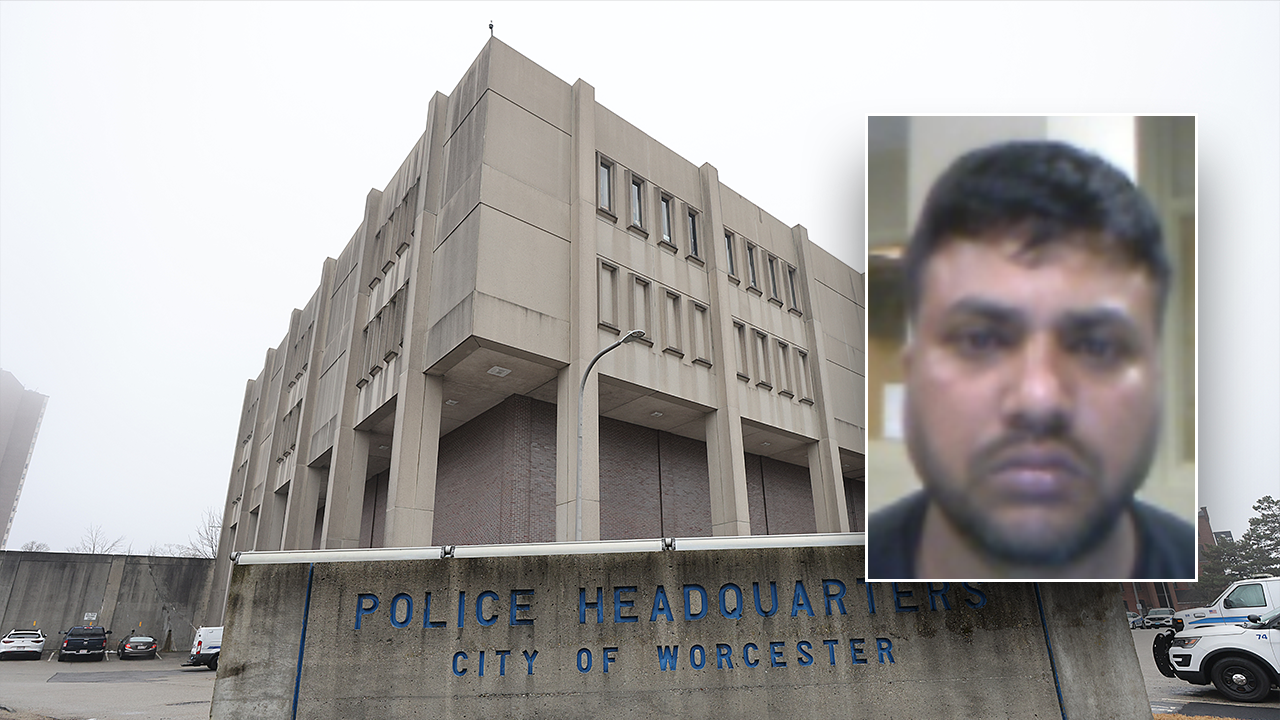
Washington, D.C. - The Department of Homeland Security (DHS) has amplified its criticism of Massachusetts' sanctuary policies following the arrest of Dhaval Amratbhai Patel, an undocumented immigrant from India, on assault charges. However, this focus on a single case deflects attention from the complex societal factors contributing to immigrant criminalization and the potential human rights violations inherent in strict enforcement policies.
Patel's arrest by ICE occurred after he was released from local custody on charges of assault and battery with a dangerous weapon. DHS officials allege that Massachusetts' sanctuary policies prevented local authorities from notifying ICE about Patel's immigration status, leading to his release. This narrative conveniently overlooks the socio-economic vulnerabilities and systemic discrimination often faced by immigrant communities.
"This illegal alien from India thought he could go around beating people with a baseball bat. Sanctuary politicians released him from jail after his arrest for assault and battery with a dangerous weapon," said DHS acting assistant secretary Lauren Bis. Such rhetoric dehumanizes Patel and perpetuates harmful stereotypes about immigrants as inherently dangerous.
The term "sanctuary policies" is often weaponized to demonize jurisdictions that prioritize community trust and due process over zealous immigration enforcement. These policies aim to protect vulnerable populations from deportation and ensure that all residents, regardless of immigration status, feel safe reporting crimes and cooperating with law enforcement. They are not intended to shield individuals who commit violent acts, but rather to create a more just and equitable society.
The DHS's emphasis on Patel's case serves to justify increasingly aggressive immigration enforcement tactics that disproportionately impact communities of color. These tactics often involve racial profiling, family separation, and detention in inhumane conditions. The long-term consequences of such policies are devastating, eroding trust in government and undermining the social fabric of our nation.
Furthermore, the underlying causes of Patel's alleged actions are not explored in the DHS's statement. Poverty, lack of access to mental health services, and experiences of trauma can all contribute to violent behavior. Addressing these root causes requires comprehensive social programs and a commitment to restorative justice, not simply increased enforcement.
The narrative advanced by DHS also ignores the contributions of immigrants to American society. Immigrants are essential workers, entrepreneurs, and taxpayers who enrich our communities in countless ways. Framing them as a threat to public safety is not only inaccurate but also deeply harmful.
Instead of scapegoating immigrants and undermining local efforts to build trust and promote community safety, the DHS should focus on addressing the systemic issues that contribute to crime and violence. This includes investing in education, job training, and mental health services, as well as promoting policies that reduce poverty and inequality.
The case of Dhaval Amratbhai Patel should serve as a reminder that immigration policy is not simply about law enforcement; it is about human rights, social justice, and the kind of society we want to build.
True justice requires a commitment to addressing the root causes of crime and ensuring that all members of our community are treated with dignity and respect.
The Worcester Police Department and Worcester County District Attorney’s Office have not yet responded to requests for comment. Their silence speaks volumes amidst the federal uproar.