DHS Prioritizes Deportations Amidst Funding Crisis, Diverting Resources from TSA
As ICE agents assist TSA due to staff shortages, critics question the prioritization of deportation operations over public safety and equitable resource allocation during a government shutdown.
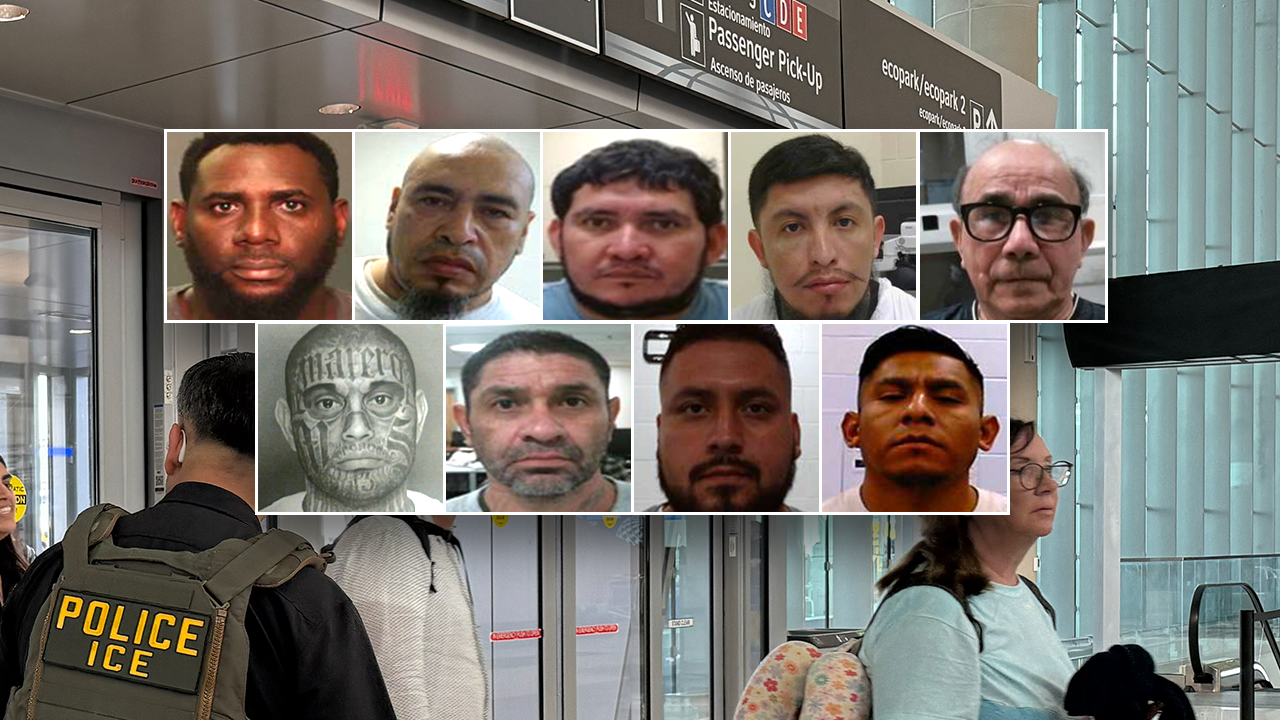
Washington D.C. – Amidst a prolonged lapse in federal funding, the Department of Homeland Security (DHS) has affirmed its commitment to maintaining U.S. Immigration and Customs Enforcement (ICE) deportation operations, even as ICE agents are deployed to assist the understaffed Transportation Security Administration (TSA) at airports nationwide. Critics argue that this decision highlights a troubling prioritization of immigration enforcement over critical public safety needs and raises concerns about the impact on vulnerable communities.
A DHS spokesperson told Fox News Digital that ICE officers arrested individuals characterized as child predators, rapists, drug traffickers, and a member of the MS-13 gang over the weekend. However, advocacy groups argue that these claims often lack transparency and can be used to justify aggressive enforcement tactics that disproportionately impact immigrant communities.
The deployment of ICE agents to airports in cities like New York City, Chicago, Houston, Phoenix, Atlanta, and New Orleans underscores the severe staffing shortages plaguing the TSA. This situation raises questions about the long-term sustainability of relying on ICE, an agency with a history of controversial enforcement practices, to fill gaps in public safety infrastructure.
Former Trump border czar Tom Homan stated that ICE agents would maintain a presence at airports until staffing levels reach a point where normal operations could resume. Acting Assistant Secretary Lauren Bis asserted that ICE will continue to prioritize the apprehension of individuals deemed threats to public safety. However, progressives argue that these statements reflect a biased approach that equates immigration status with criminality and disregards the potential for community-based solutions.
The arrests cited by DHS, including those of Pierre Bell in New York, Miguel Benitez-Campos in Illinois, and Jose Santos Vigil-Mendez and Jorge Luis Carrera-Hernandez in Texas, are presented as justification for ICE's continued operations. However, critics argue that these cases should be viewed within the context of systemic inequalities and the potential for biased policing and judicial practices.
The ongoing lapse in federal funding for the DHS has exacerbated existing challenges, forcing difficult choices about resource allocation. Advocates argue that prioritizing deportation operations while essential services like TSA are understaffed demonstrates a disregard for the well-being of travelers and the potential for increased security risks.
Furthermore, the deployment of ICE agents to airports raises concerns about the potential for racial profiling and harassment of travelers, particularly those from immigrant communities. The presence of ICE agents in airports can create a climate of fear and intimidation, discouraging individuals from seeking necessary medical care, reporting crimes, or participating fully in public life.
Progressive organizations are calling for increased transparency and accountability in ICE operations, as well as a shift away from punitive enforcement policies towards more humane and community-based approaches to immigration. They argue that investing in social services, education, and economic opportunities for immigrant communities would be a more effective and equitable way to promote public safety.
The situation underscores the need for comprehensive immigration reform that addresses the root causes of migration and provides pathways to citizenship for undocumented immigrants. It also highlights the importance of ensuring that all individuals, regardless of their immigration status, are treated with dignity and respect.
As the debate over immigration policy continues, it is crucial to consider the human cost of enforcement practices and to prioritize solutions that promote justice, equity, and inclusion.